Like A Local Guide

Kobe

Link tree

Why it matters: run since March 2023 by the social welfare corporation Mikari-kai as a Type B employment-support workplace, this is a real cafe where people with disabilities do the cooking, the counter and the service – and it doubles as the third home of Kobe Fureai Kobo, the city social welfare council’s craft outlet founded in 1999, whose cookies, pound cakes and sawori-woven pouches from 61 member workshops fill the wooden shelves. It changes character three times a day so staff can pick the shift that suits them: rich tamago kake gohan in the morning, weekday tonjiru with a choice from about fifteen onigiri at lunch, then local Kobe sake and small plates from 14:00. Get the tonjiru-and-onigiri set and take a bag of Fureai Kobo bakes for the train. Practical tip: it is inside the ticket-gate level of Sannomiya-Hanadokeimae subway station, step-free and door-free, but closed Sundays and the 1st, 3rd and 5th Saturdays.
Disaster Reduction and Human Renovation Institution

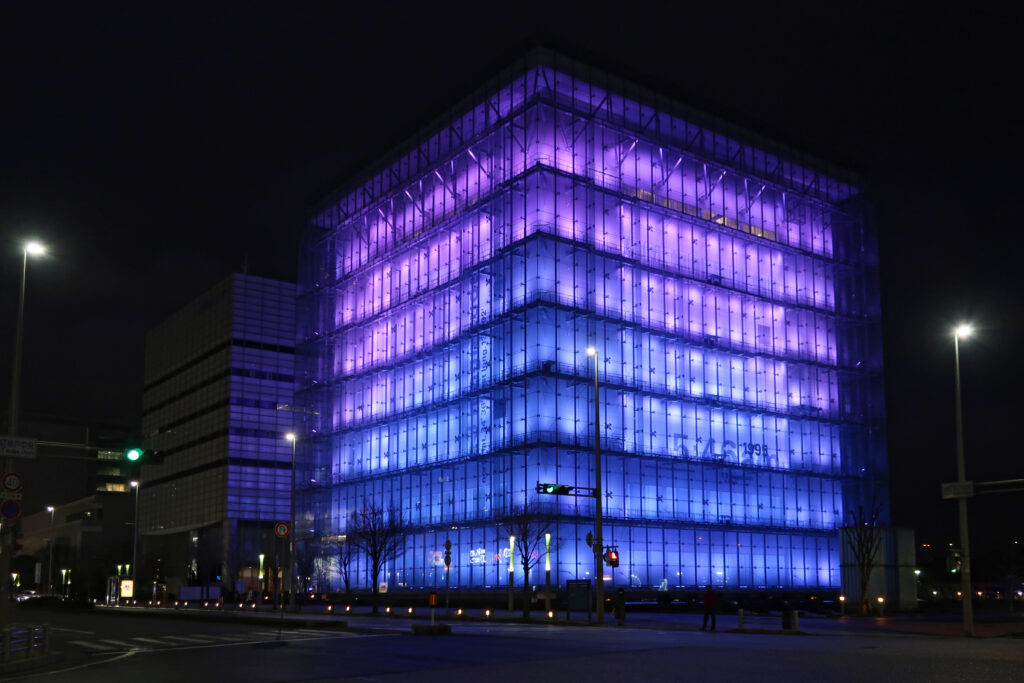
Why it matters: established in April 2002 by Hyogo Prefecture to preserve and pass on what the 1995 Great Hanshin-Awaji earthquake taught a city that lost over 6,400 people, the DRI is both a public museum and a working think tank that trains disaster-response professionals and feeds research into policy worldwide. The hard part is the 4th floor, where a short film puts you inside 5:46am on 17 January 1995; the human part is the Storytellers’ Corner on the 3rd, where survivors sit and tell you what that morning was actually like. Survivor testimony videos are subtitled in seven languages including English, and the learning tables run in English, Chinese and Korean. Practical tip: admission is free on the 17th of every month – the date the quake struck – and the museum is closed Mondays, so plan around both.

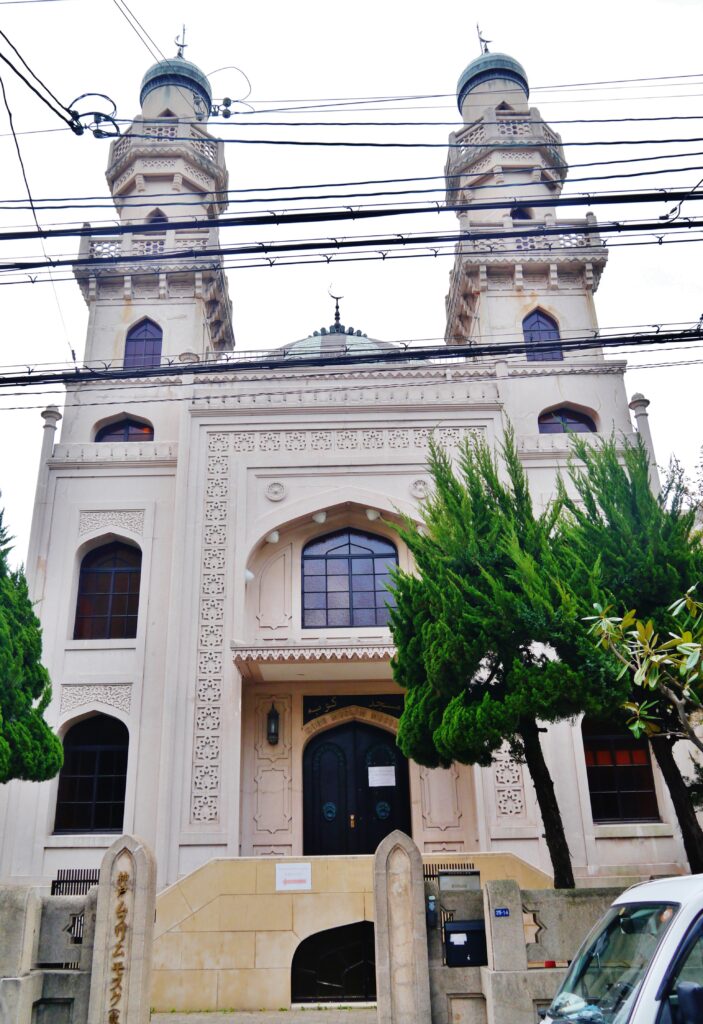
Kobe Mosque

Why it matters: opened in October 1935 with donations gathered by the Islamic Committee of Kobe, this is Japan’s first mosque – and it has outlasted everything thrown at it, surviving the 1945 air raids that flattened the surrounding streets and the 1995 Great Hanshin earthquake, after which it sheltered displaced Muslim residents for around a month. Locals call it the Miracle Mosque, and it is still an active place of worship, not a monument. Czech architect Jan Josef Svagr gave it an Indo-Islamic silhouette of twin minarets and domes that sits oddly and wonderfully among Kitano’s western merchant houses; inside, the men’s prayer hall on the ground floor is white marble and gold. Non-Muslim visitors are welcome outside prayer times – dress modestly, cover your shoulders and knees, and call ahead if you are bringing a group.

Scroll to Top