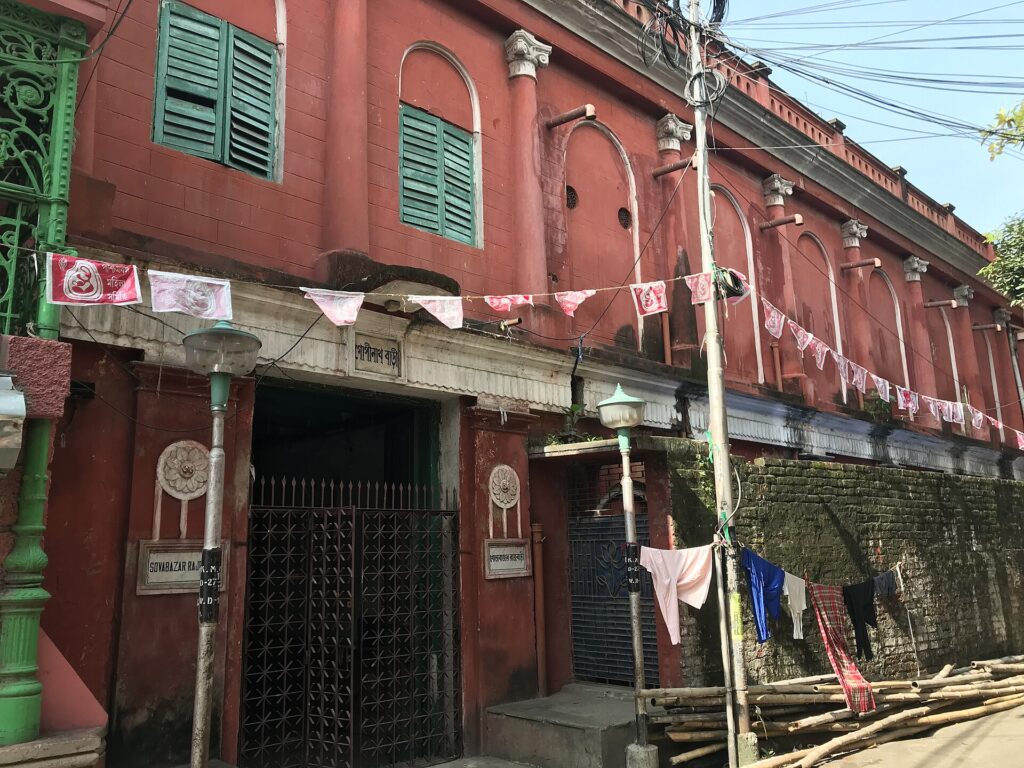
Sonagachi, in north Kolkata near Shobhabazar, is one of the largest and oldest red-light districts in Asia. Several thousand women live and work in its lanes, many of them in buildings that have been in continuous use since the colonial era. It is a residential neighbourhood as much as anything else: families, shops and schools sit alongside the brothels.
What makes Sonagachi internationally known is not the district itself but what came out of it. In 1992 Dr Smarajit Jana, a public health scientist at the All India Institute of Hygiene and Public Health, began an STD and HIV intervention here built on an unusual premise for the time: that the people best placed to run it were the sex workers themselves, working as peer educators rather than as subjects of a programme.
That work became the Durbar Mahila Samanwaya Committee, formed in 1995 with twelve sex workers as its founding stakeholders. Durbar took over the running of the project in 1999 and grew into a collective of roughly 65,000 members across dozens of branches in West Bengal. Alongside it sits the Usha Multipurpose Co-operative Society, a cooperative bank owned and run by sex workers, which gave members access to savings and credit and broke the grip of moneylenders who had been charging interest rates of up to 300 per cent. Durbar’s cultural wing, Komol Gandhar, trains members’ children in music, dance and drama. The peer-led model developed here has been studied and copied well beyond India.
This is somewhere people live and work, not a sight to see. We do not list tours of the area and would not recommend walking it to look. Photographing anyone here, with or without a camera raised, is not acceptable. If the subject interests you, the useful way in is through the organisations working on it rather than through the streets themselves.
Good to know
- Where: Sonagachi, Shobhabazar, Kolkata 700006, West Bengal, India
- City: Kolkata
- Read more: Durbar Mahila Samanwaya Committee