Like A Local Guide

Listings

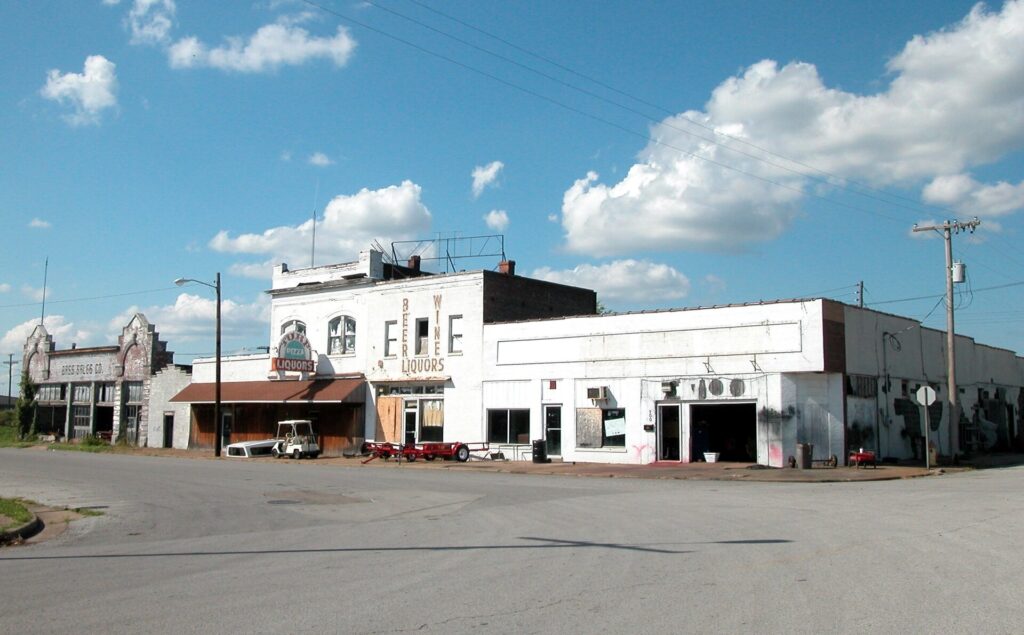
Evergreen Brick Works

Why it matters: Evergreen Brick Works is Canada’s first large-scale community environmental centre – a derelict brick factory and quarry reborn by the Evergreen nonprofit into a hub for sustainability, native-plant nurseries, and greener city-building at the edge of the Don Valley ravines. Its Saturday Farmers Market is Toronto’s largest year-round market, linking more than 100 small Ontario farmers, food producers, and artisans directly to the city. Come Saturday morning for the market, then wander the restored kilns, quarry-side trails, and rotating outdoor art. Practical tip: on-site parking is tight, so hop the free shuttle from Broadview station or bike in along the Lower Don trail.
Malaika Linens

Malaika Linens

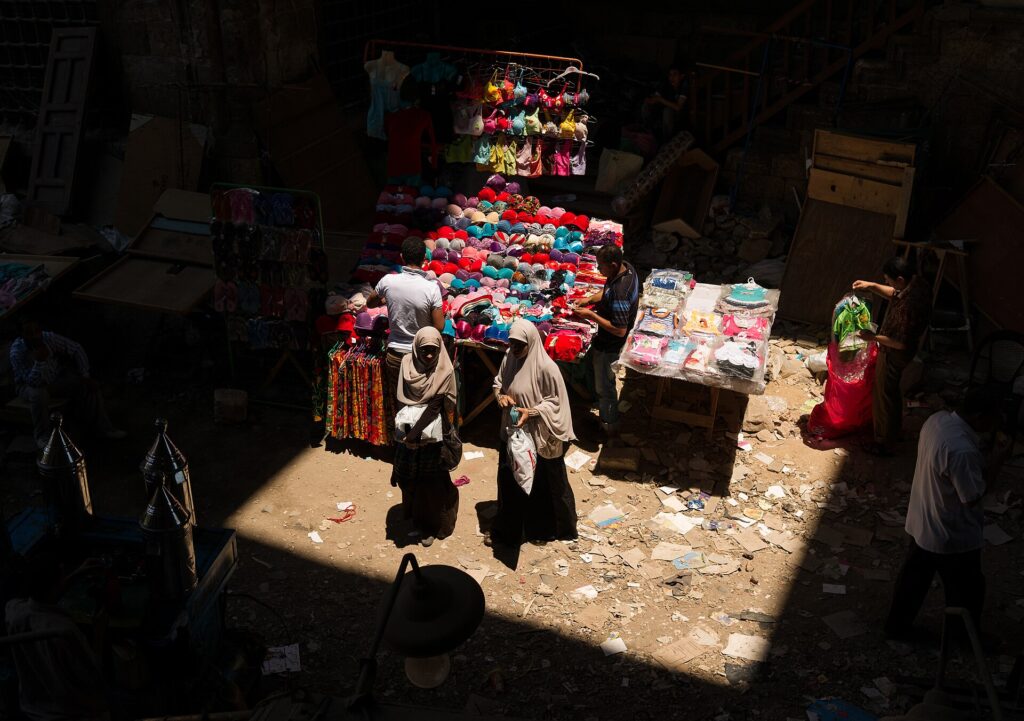
Why it matters: founded in 2004 by designers Goya Gallagher and Margarita Andrade, this women-led Egyptian linen house created Threads of Hope, a free embroidery school that has trained hundreds of marginalised local and refugee women in Downtown Cairo, each graduate earning a living hand-finishing luxury cotton for brands worldwide. The hand-embroidered bedlinen, tablecloths and robes are museum-shop quality (the Met carries them) and rooted in Egypt’s long thread-work tradition. Buy a hand-stitched pillowcase or table runner as a keepsake with a genuine backstory. Tip: Malaika is carried at several Zamalek design galleries rather than one flagship, so call ahead, as showrooms keep boutique hours.

Association for the Protection of the Environment (APE)

Association for the Protection of the Environment (APE)

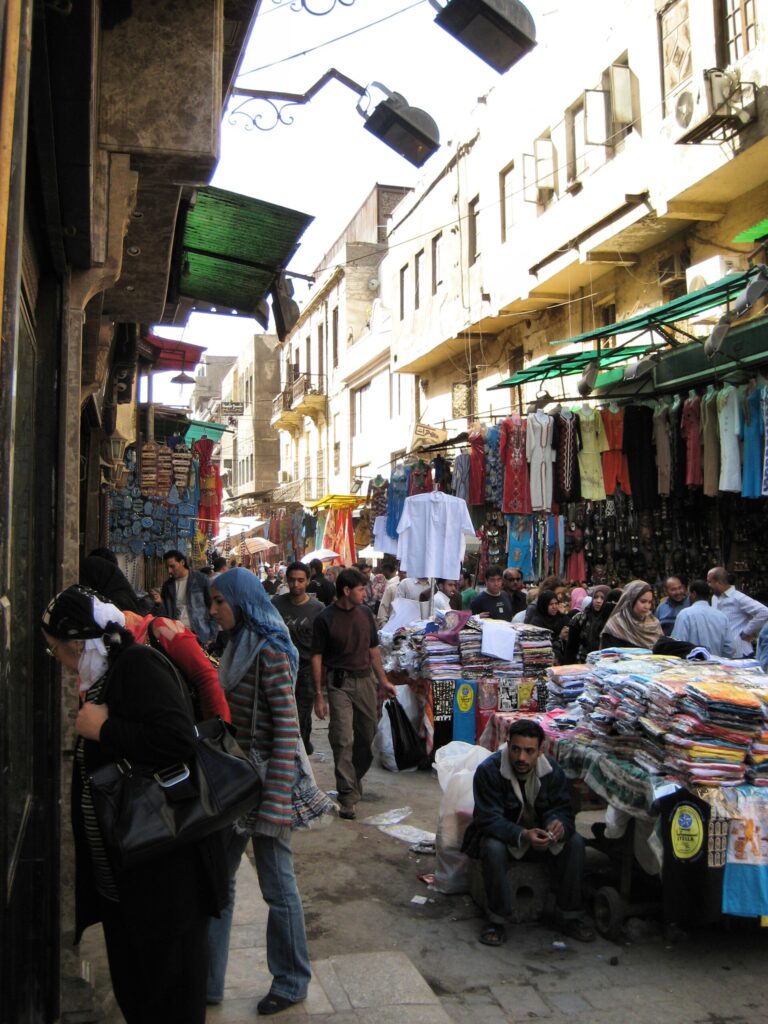
Why it matters: founded in 1984 by philanthropist Yousriya Sawiris, the Association for the Protection of the Environment (APE) works alongside the Zabbaleen recycling community of Manshiyat Naser, training local women to turn factory offcuts, glass and discarded wrappers into rugs, quilts, bags and jewellery, a stable income in one of Cairo’s poorest districts. Visiting its workshop-boutique pairs a first-hand look at the world’s most efficient informal recycling system with handmade goods bought directly from the makers. Buy a patchwork quilt or a recycled-glass pendant and your money goes straight back into the community. Tip: go with a reputable local guide, dress modestly, and always ask before photographing residents.

Fair Trade Egypt

Fair Trade Egypt

Why it matters: launched in 1998 as Egypt’s first fair-trade organization, this Zamalek nonprofit links dozens of artisan groups across the country to a fair market, safeguarding traditional crafts that mass production had pushed to the brink. Two floors of a quiet apartment are packed with handmade kilims, Bedouin embroidery, Siwan pottery, recycled-glass and Nubian basketry, every price tag traceable to the maker. Come for genuine, guilt-free souvenirs and skip the tourist-bazaar markups of Khan el-Khalili. Tip: it sits on the first floor of an apartment building on Yehia Ibrahim Street, open Sun-Thu, so ring the bell and take the lift up.

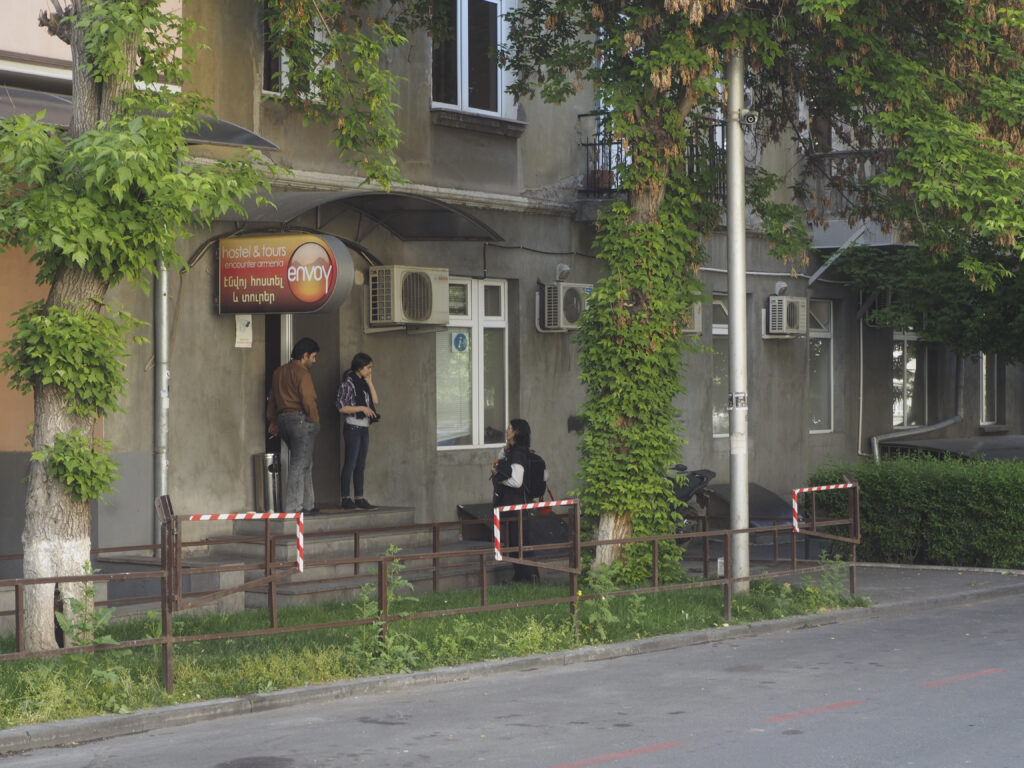
Envoy Hostel & Tours

Why it matters: Envoy has run Yerevan’s best-known hostel since 2005, and giving back is built into the business – it employs and trains locals, creates paid work for families in remote villages through its tour program, and housed and supported displaced families during the 2020 Artsakh conflict. It is a repeat Hostelworld Hoscar and Tripadvisor Hall of Fame winner, so the beds and the social vibe deliver too. Book a dorm or private room as a clean, affordable base, then join one of their small-group day trips to Khor Virap, Garni, or Lake Sevan – the guiding is a genuine highlight. Tip: reserve tours a day ahead in peak summer, as the popular routes fill fast.

Homeland Fair Trade Shop

Homeland Fair Trade Shop

Why it matters: founded in 2013, Homeland (HDIF) is the first fully guaranteed member of the World Fair Trade Organization in the former Soviet Union, and its shop channels fair pay to women artisans in Armenia’s rural villages and border towns, along with refugee craftspeople in Yerevan. Everything on the shelves is genuinely handmade – hand-embroidery, ceramics, jewellery, soft toys, and accessories sewn from upcycled rugs and textiles. Come for local souvenirs with a traceable maker behind each one; the upcycled-textile bags and hand-embroidered pieces are the standouts. Tip: the shop sits on Khorenatsi Street and keeps weekday-only hours (Mon-Fri, 10am-5pm), so plan your visit before the weekend.

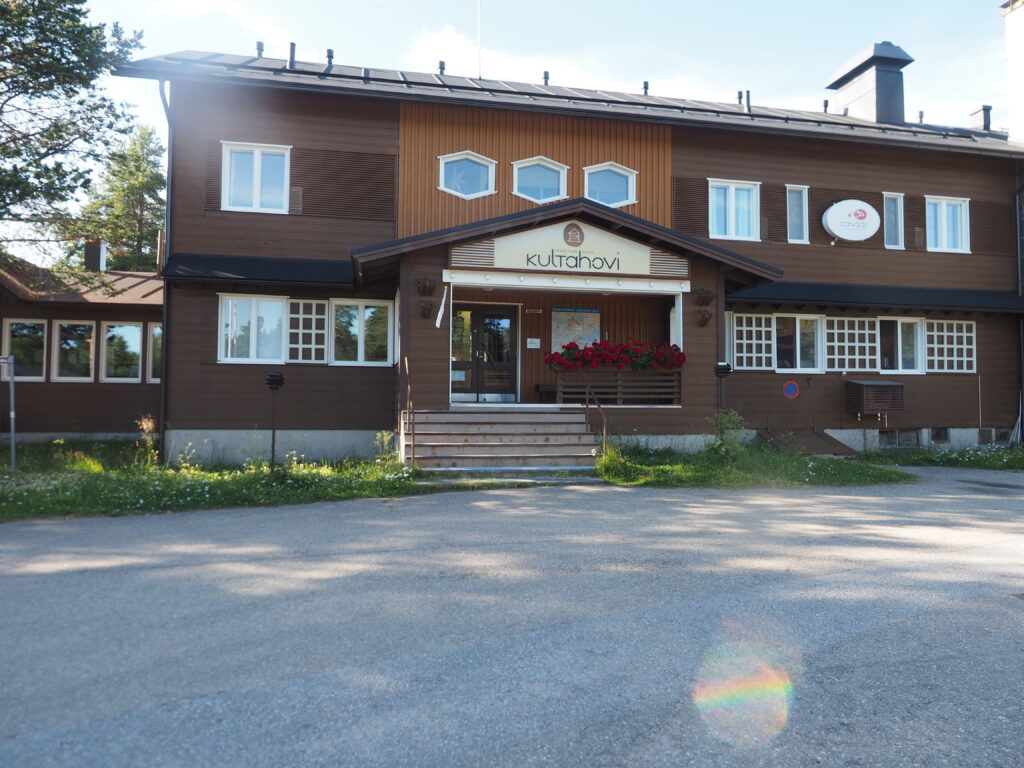
Restaurant Aanaar

Why it matters: chef and second-generation owner Heikki Nikula is Indigenous Sami on his father’s side, and Aanaar – the Inari Sami word for Inari – is his tribute to the region’s food culture. The kitchen leans on whole-animal reindeer, Lake Inari fish, lichen and foraged Arctic herbs, almost all sourced within about 300 kilometres. It has been named Finland’s Restaurant of the Year and regularly ranks among the country’s best tables, yet sits quietly beside the Juutua rapids. Tip: book the tasting menu well ahead – the dining room is small and fills fast in season.

Duodji Shop (Sami Duodji) at Sajos

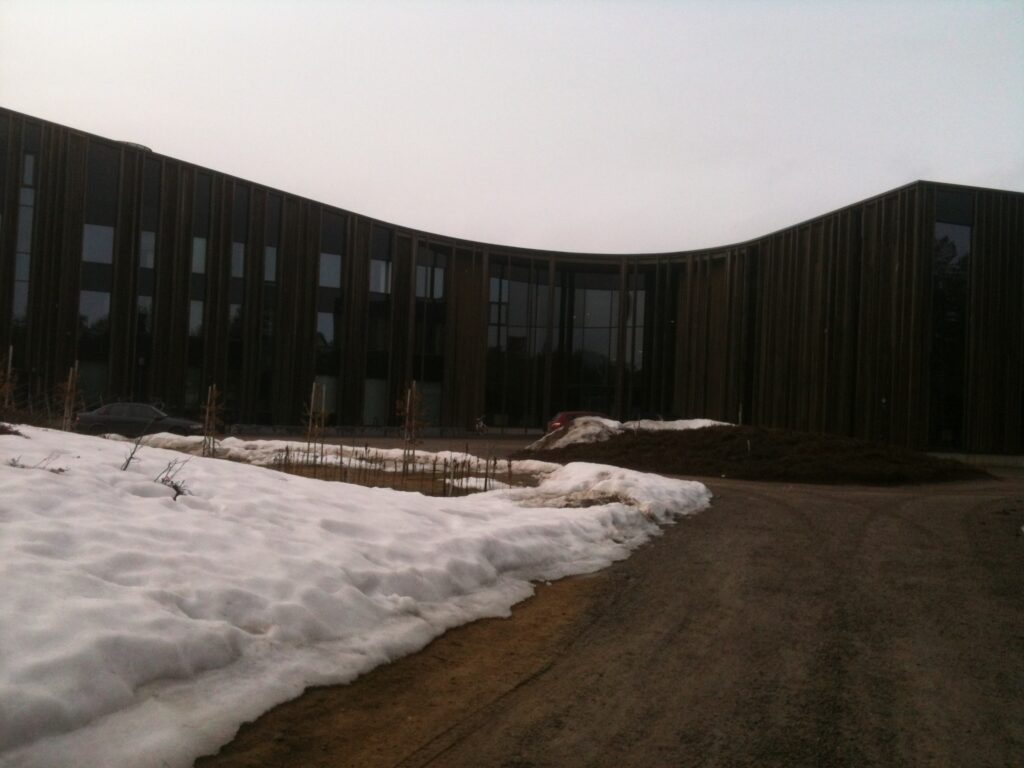
Why it matters: run by the Sami crafts association Sami Duodji, this shop inside the Sajos cultural centre sells only pieces carrying the Sami Duodji trademark – a certification created in 1980 so buyers can tell genuine Indigenous handicraft from mass-made imitation, and so the Sami themselves decide how their culture is sold. It holds one of Finland’s widest selections of authentic duodji, from reindeer-antler knives to woven bands and silver jewellery. Buy here rather than from an airport souvenir rack and your money reaches the maker. Tip: it shares the building with the Sami Parliament, whose 45-minute guided tours run on weekday mornings.

Siida – The Sami Museum and Nature Centre

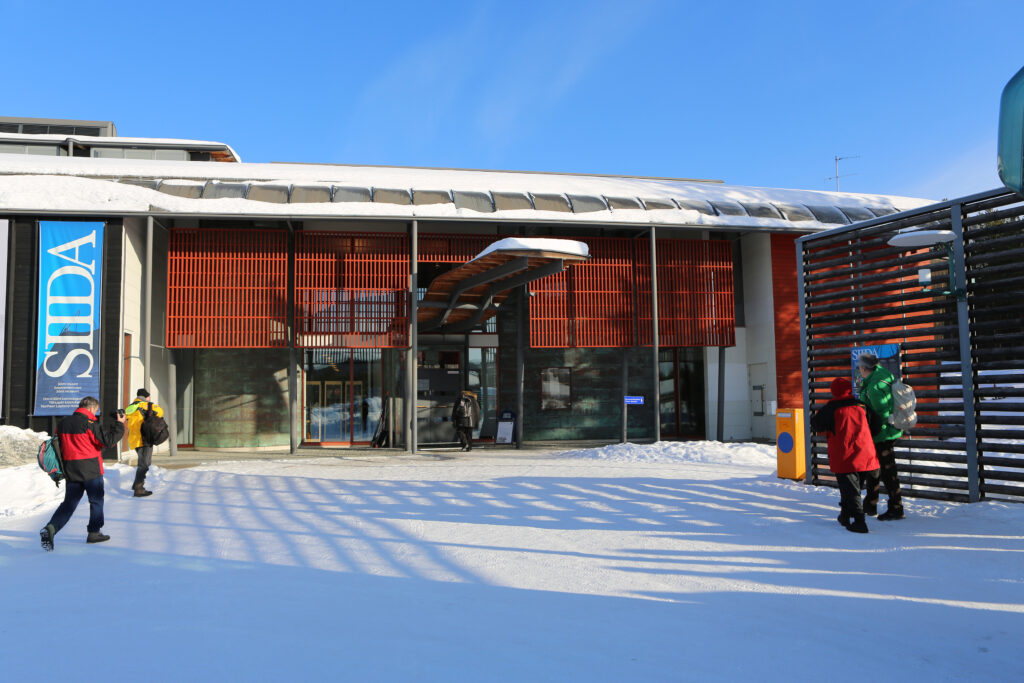
Why it matters: opened in 1963 as the first independent Sami museum in the Nordic countries, Siida is run by the non-profit Sami Museum Foundation and tells the story of Europe’s only Indigenous people in their own voice. Its permanent exhibition ‘These Lands Are Our Children’, reopened in 2022, braids Sami history together with the subarctic nature of Inari along a single winding path. Give yourself a couple of hours, then head outside to the open-air museum, where traditional Sami buildings are scattered through the pine forest. Tip: the on-site cafe and Siida Shop stock genuine duodji and hard-to-find Sami books.

Sarestoniemi Museum

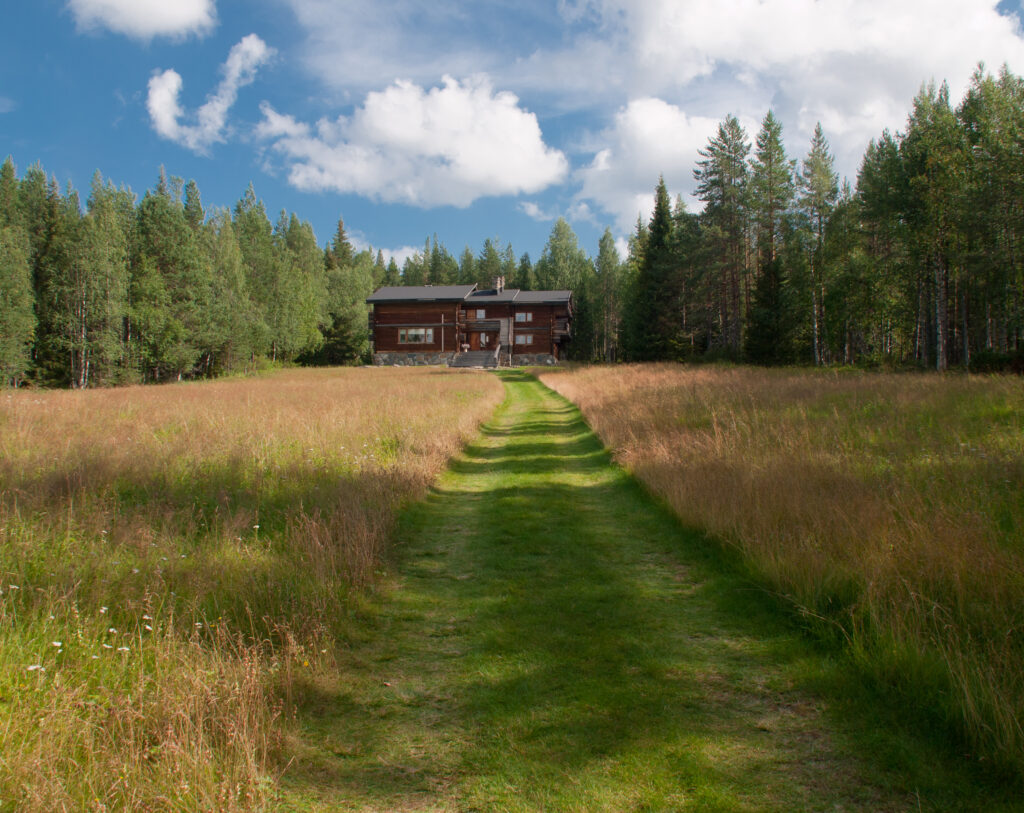
Why it matters: named Finland’s Museum of the Year 2026, this foundation-run nonprofit museum is the preserved forest home and self-built studio of Reidar Sarestoniemi (1925-1981), Lapland’s most celebrated painter – and it keeps a living cultural anchor in the tiny Ounasjoki-river village of Kaukonen. Nearly 500 of his vivid, Arctic-nature canvases hang in their original surroundings, alongside the striking atelier he designed himself. It’s about an hour’s drive from Levi or Yllas on road 79; the cafe doubles as ticket sales and is the only wheelchair-accessible building, so wear sturdy shoes for the forest paths between the others. Come during autumn ruska colours, or book a guide ahead to get the full story of the farm and the man.

Scroll to Top