Like A Local Guide

Listings

Brasserie Bio Carpathia

Brasserie Bio Carpathia

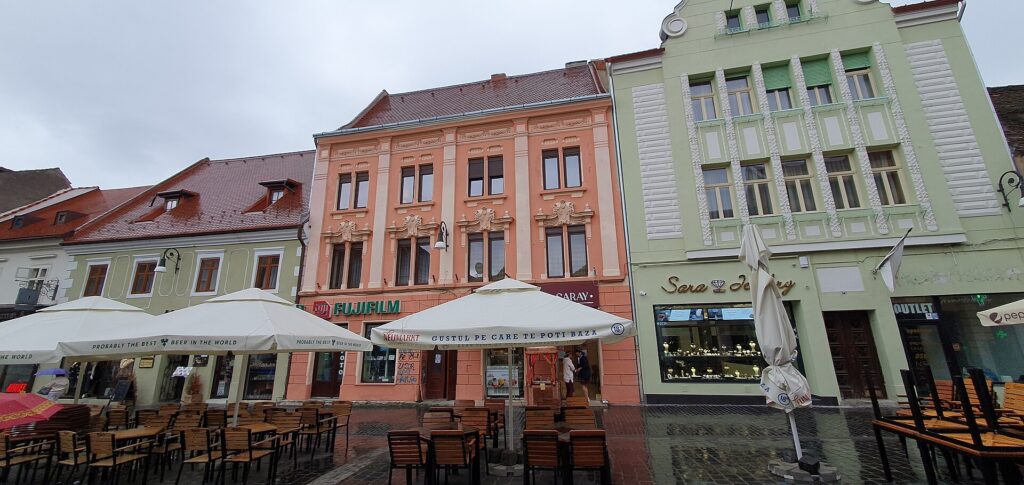
Why it matters: this Old Town brasserie is the storefront of the Bio Carpathia Cooperative – 34 certified organic farmers whose mountain dairy, meat and eggs go straight from their farms to the kitchen. The cooking is simple and honest with nothing deep-fried, and a small market inside sells cheeses, aged meats, honey and jams from producers across Transylvania. Order the stuffed flatbread filled with the cooperative’s own cheese, then take home a wheel of Bio Carpathia cheese from the counter. Practical tip: it is closed Monday and Tuesday, so plan a midweek or weekend visit to Strada Michael Weiss 4.
Ophori Cosmetics

Ophori Cosmetics

Why it matters: Ophori is Brasov County’s first work-integration social enterprise (unitate protejata), where every soap, bath bomb and body oil is made from scratch by people with severe disabilities. Tens of thousands of handmade products are sold each year, and more than 100 partner companies help fund the jobs behind them. Buy the scented bath bombs or a botanical soap as a Brasov gift that actually does good. Practical tip: it is a production lab rather than a walk-in shop, so order online or book an open-door workshop visit through their contact form to meet the makers.

Strays of Alanya

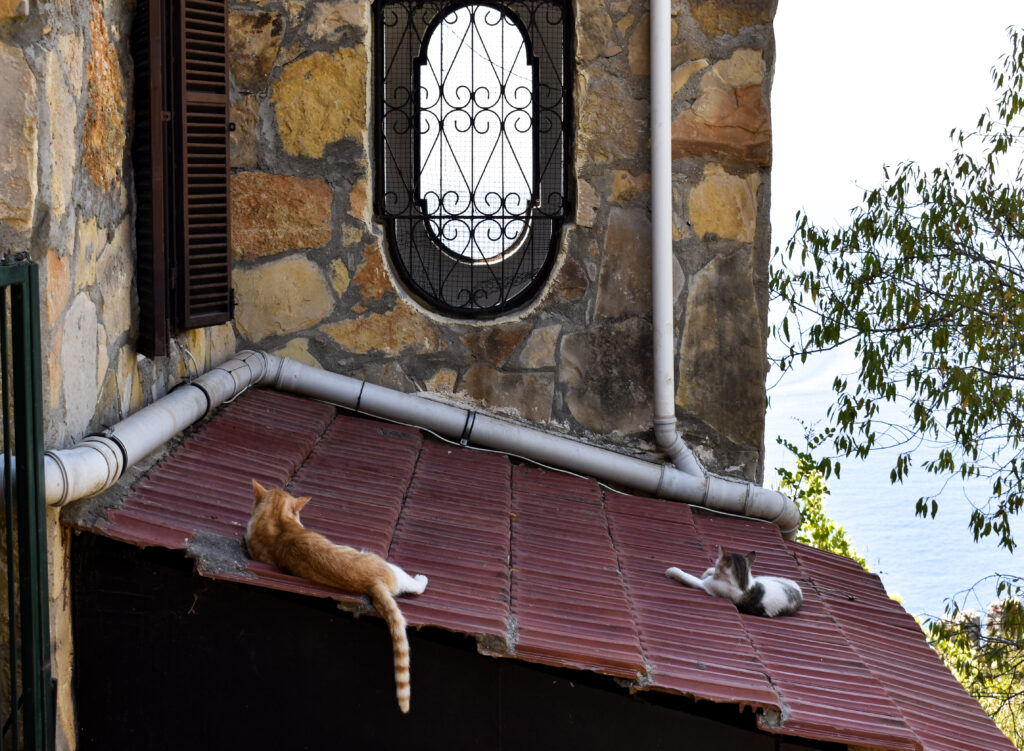
Why it matters: Strays of Alanya (SOAR) is a volunteer-run, donation-funded rescue that shelters over 150 dogs, cats, horses and donkeys – mistreated or abandoned animals cared for until they can be rehomed or safely released. It survives entirely on private donations and hands-on volunteers, and is a registered non-profit organisation. Animal lovers can arrange a visit to the sanctuary in the green hills of Seki to walk dogs, help with feeding or simply spend time with the residents. Tip: it is a working shelter, so message ahead through their website or Instagram (@straysofalanya) before you come.

Alanya Koza Women’s Cooperative

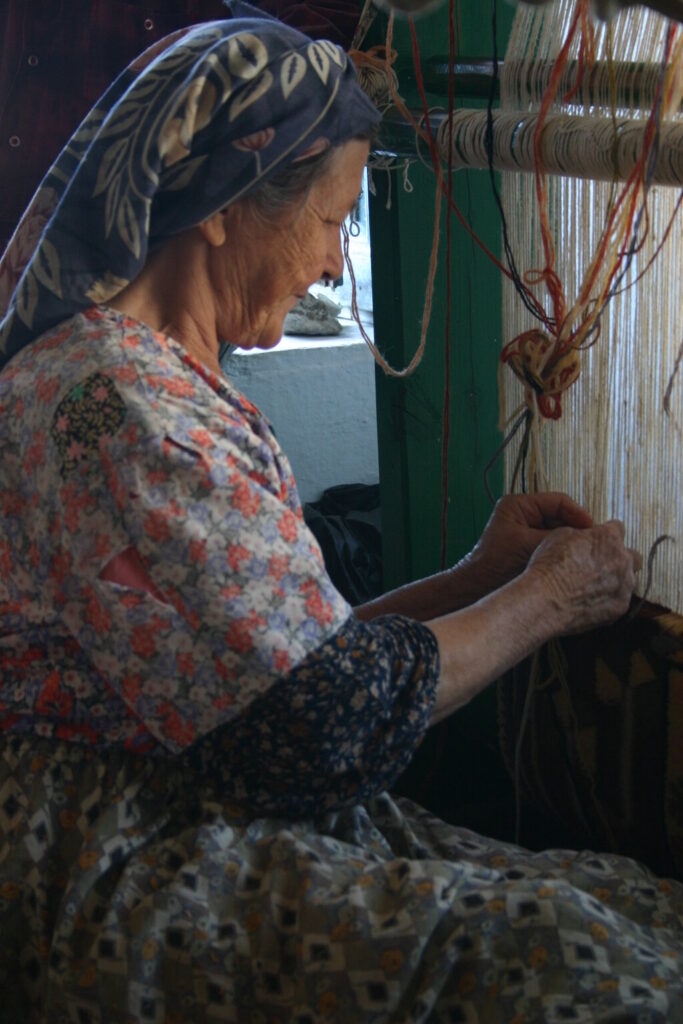
Why it matters: the Alanya Koza women’s cooperative revived the near-lost craft of the Alanya silk-cocoon flower (Ipek Kozasi Cicegi) – a skill only two women in town still knew – and grew it into a registered local trademark and paid work for local women. Members hand-shape silkworm cocoons into delicate flowers and also weave silk scarves, home textiles and banana-fibre gifts. Buy the signature silk-cocoon flowers as a souvenir that actually supports the maker. Tip: look for the cooperative’s stalls in the bedesten market beside Alanya Castle.

Omamori Spa

Why it matters: run by BlindLink, a social enterprise founded in 2013, Omamori Spa trains and employs blind and visually impaired therapists, giving Vietnam’s visually impaired community stable, dignified work. The no-tip policy and modest prices make it one of the Old Quarter’s best-value treatments, and the acupressure-focused, no-oil Vietnamese massage is genuinely skilled. Book a 60- or 90-minute massage and arrive a few minutes early to settle in. Tip: reserve ahead — the central Ngo Huyen branch fills up in the evenings.

KOTO Van Mieu

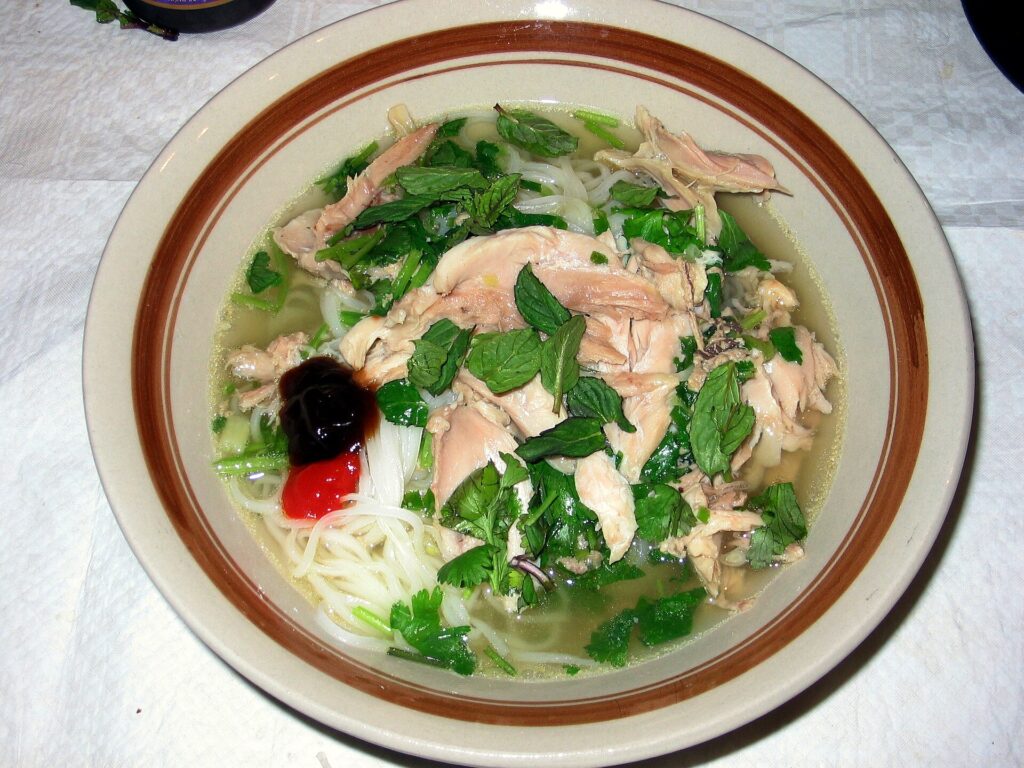
Why it matters: opened in 1999 by Vietnamese-Australian Jimmy Pham, KOTO — Know One, Teach One — was Vietnam’s first social enterprise, putting at-risk and disadvantaged youth through a two-year hospitality and life-skills program. The training restaurant sits directly opposite the Temple of Literature, so a meal here pairs neatly with the city’s top sight. Order the fresh spring rolls and a bowl of pho, and know that 100% of graduates leave with a job. Tip: ask for the quieter upstairs dining room with views over Van Mieu Street.

Druga Violina

Druga Violina

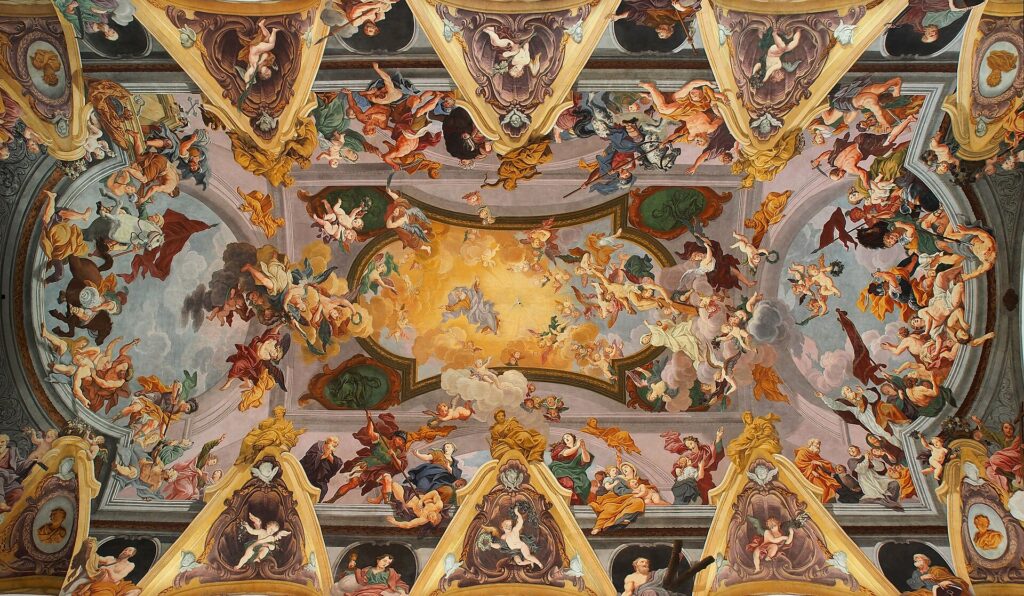
Why it matters: opened in summer 2012 by the Dolfke Boštjančič Centre (CUDV), this Stari trg gostilna is staffed by adults with intellectual disabilities who train and work the dining room – the centre’s director had spent a decade wanting exactly this, a place in the city centre where locals would meet that difference over lunch. The cooking is the real thing rather than a gesture: traditional Slovenian dishes on Ljubljana Tourism’s Taste Ljubljana list, with herbs and vegetables grown at the centre’s own greenhouses in Ig. Order the beef soup and the štruklji, or kranjska klobasa if it is your first Slovenian meal. Tip: it sits beside the Hercules Fountain with outdoor seating on the square, and it opens at 8:00, so it works for breakfast too.

Cafe Čokl

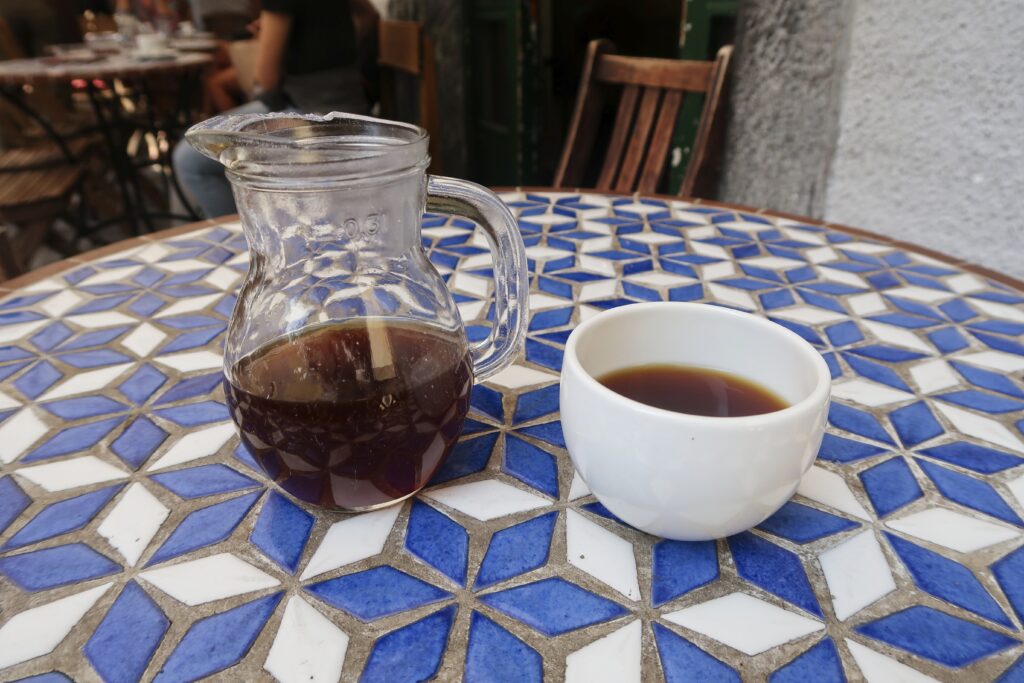
Why it matters: owner Tine Čokl discovered fair-trade coffee in 2012 and built the city’s most rigorous sourcing around it – importing raw, unroasted fair-trade beans, roasting them on the premises, and co-founding the Buna Cooperative to push traceability and zero waste beyond his own bar. It is a small room on Krekov trg where the coffee is genuinely the point: espresso and Turkish the old Slovenian way, or cold brew, Chemex and Aeropress. Order a filter brew, then take home a bag of beans or a bottle of Buna Cold Brew – the organic chocolate is worth a look too. Tip: come on a weekday morning when it is quiet enough to ask where the beans actually came from, because they can tell you.

Link tree

Link tree

Why it matters: run since March 2023 by the social welfare corporation Mikari-kai as a Type B employment-support workplace, this is a real cafe where people with disabilities do the cooking, the counter and the service – and it doubles as the third home of Kobe Fureai Kobo, the city social welfare council’s craft outlet founded in 1999, whose cookies, pound cakes and sawori-woven pouches from 61 member workshops fill the wooden shelves. It changes character three times a day so staff can pick the shift that suits them: rich tamago kake gohan in the morning, weekday tonjiru with a choice from about fifteen onigiri at lunch, then local Kobe sake and small plates from 14:00. Get the tonjiru-and-onigiri set and take a bag of Fureai Kobo bakes for the train. Practical tip: it is inside the ticket-gate level of Sannomiya-Hanadokeimae subway station, step-free and door-free, but closed Sundays and the 1st, 3rd and 5th Saturdays.

Disaster Reduction and Human Renovation Institution

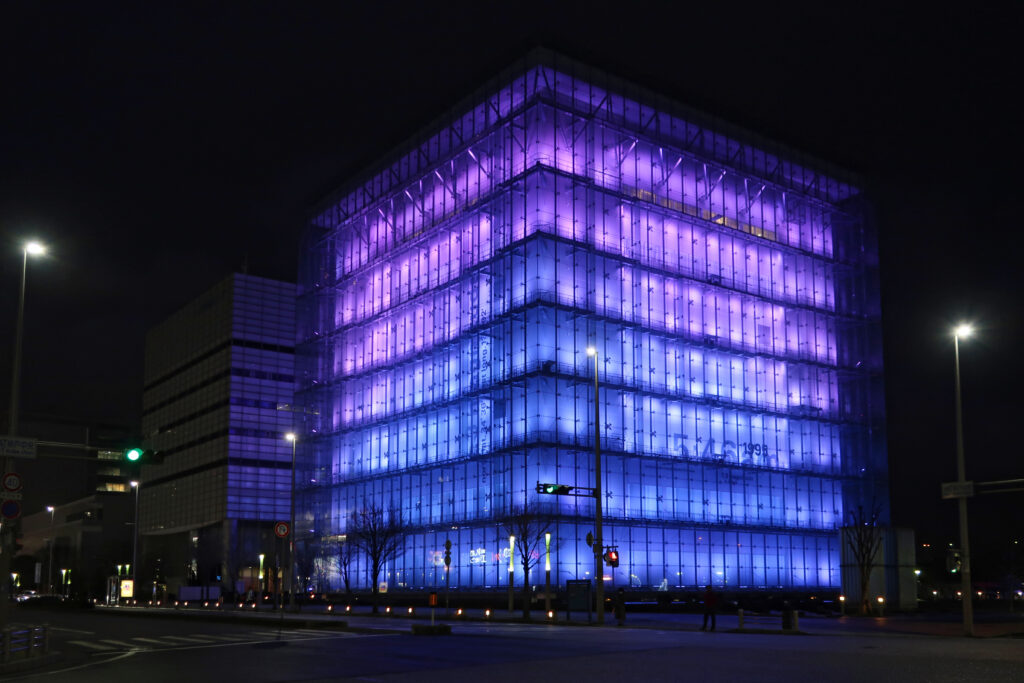
Why it matters: established in April 2002 by Hyogo Prefecture to preserve and pass on what the 1995 Great Hanshin-Awaji earthquake taught a city that lost over 6,400 people, the DRI is both a public museum and a working think tank that trains disaster-response professionals and feeds research into policy worldwide. The hard part is the 4th floor, where a short film puts you inside 5:46am on 17 January 1995; the human part is the Storytellers’ Corner on the 3rd, where survivors sit and tell you what that morning was actually like. Survivor testimony videos are subtitled in seven languages including English, and the learning tables run in English, Chinese and Korean. Practical tip: admission is free on the 17th of every month – the date the quake struck – and the museum is closed Mondays, so plan around both.

Scroll to Top