Like A Local Guide

Listings

Zogaj Kilim Weaving Workshop

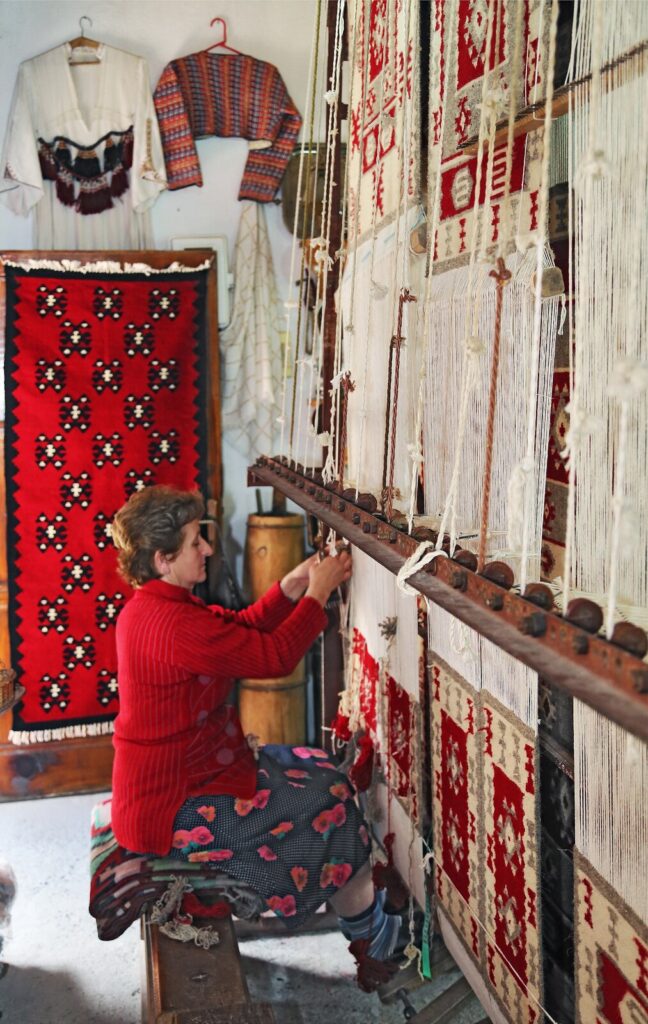
Why it matters: after Zogaj’s state rug factory was destroyed in the collapse of communism, master weaver Nebija Qotaj – at a loom since age 10 – rebuilt the craft beneath her lakeside family home, and her women-run kilim cooperative now keeps one of northern Albania’s oldest traditions alive while giving village women paid work. Downstairs, weavers work 200-year-old looms with local wool dyed naturally with pomegranate and walnut; a single kilim can take weeks and several pairs of hands. The shop sells rugs, cushions, purses and scarves in traditional Shkodra-region patterns at workshop prices. Tip: make it the destination of the classic lakeside bike ride from Shkoder to Zogaj, then watch the weavers at work before you buy.
Donau Techno

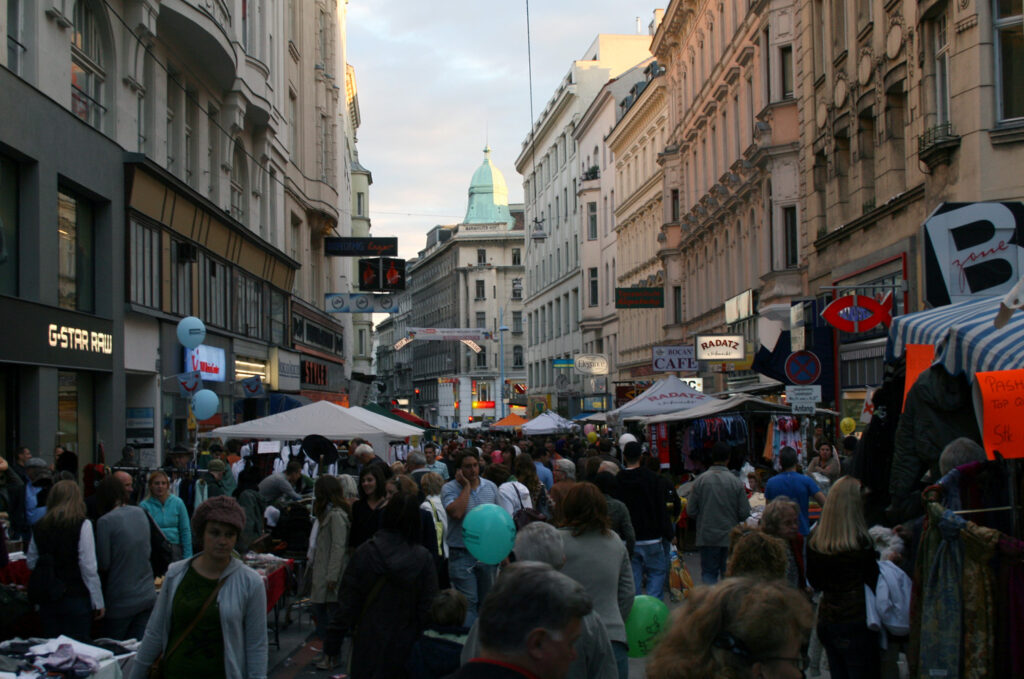
Hidden behind an unmarked grey metal door between Mariahilferstraße and the MuseumsQuartier, Donau Techno pairs underground electronic DJs with cheap drinks and proper cocktails seven nights a week. The room — a former synagogue — gets washed in a shifting light installation that makes the high walls feel alive, while the vibe stays more living room than velvet rope. They even sell Würstel at the bar if you get peckish. Tip: it’s at Karl-Schweighofer-Gasse 10/A — look for the grey door, there’s no big sign.

Sobralt Sobrale Parnu

Why it matters: run by the Sobralt Sobrale charitable foundation with Swedish partner Erikshjalpen, every sale in this secondhand store funds the Hoolime Koos programme, which supports Estonian children and families in need with everything from summer camps to material aid. The big Papiniidu shop is Parnu’s best rummage: used furniture, dishes, clothes, books and the occasional piano, with the stock changing daily. Locals buy the cloth customer bag, which doubles as a loyalty card for a permanent 10 percent discount. Come with time to dig – it is the grandma’s-attic experience, for a good cause.

Uuskasutuskeskus Parnu

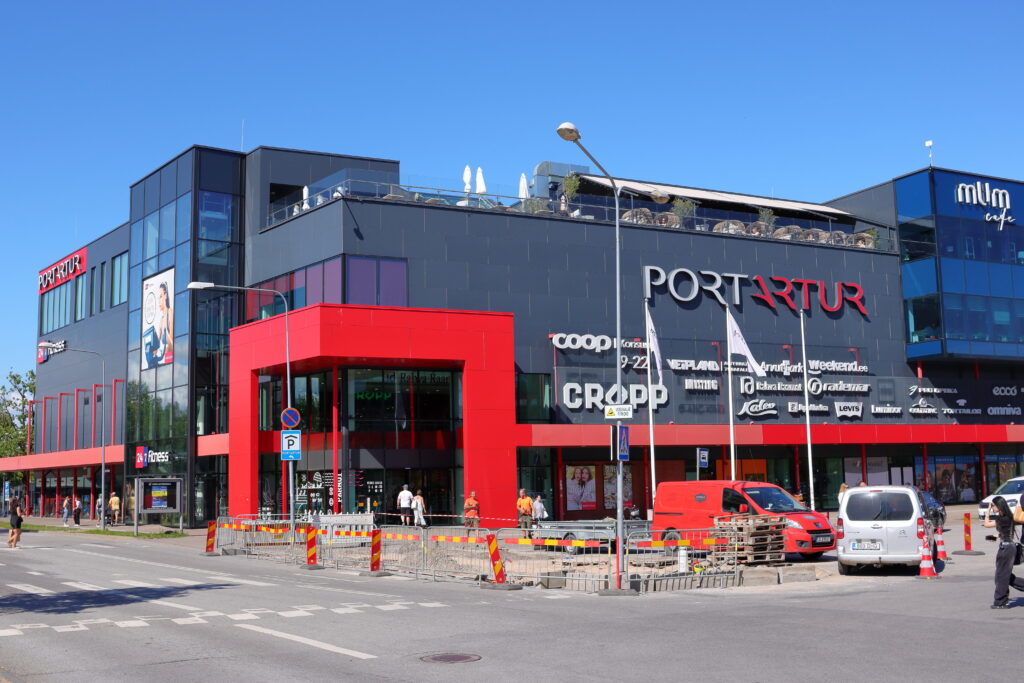
Why it matters: Uuskasutuskeskus is Estonia’s largest nonprofit reuse organisation, and this Parnu shop is the flagship of its 17-store network, built on the belief that no decent item should end up in a landfill. The constantly changing floor holds secondhand clothing, furniture, books, toys and retro Estonian household goods at pocket-money prices. Hunt for Soviet-era glassware and Estonian design pieces, and drop your own unneeded items at the donation corner while you are there. Find it on the 0-floor of the Port Artur 2 centre, a short walk from the old town.

Maarja-Magdaleena Gild, Uus 5, Parnu

Maarja-Magdaleena Gild

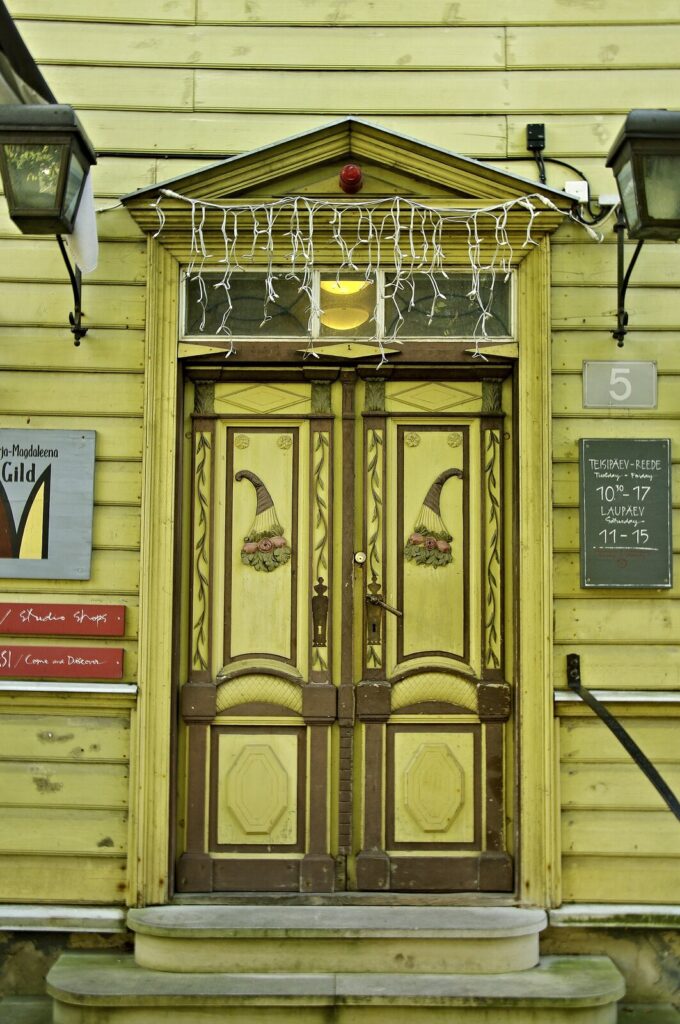
Why it matters: founded as a nonprofit in 2007 by five local artisans, this guild house revived the name of Parnu’s oldest craft guild and now unites around 20 working studios that keep Estonian craft traditions alive through a master-and-apprentice system. Buy ceramics, glass, textiles and leatherwork straight from the makers, or join the drop-in workshops held every Friday and Saturday. The little vegan health-food cafe inside is a quiet lunch favourite. Time a summer visit for the annual Guild Days, the craft festival the guild brought back to Parnu’s old town streets.

ONE ONE

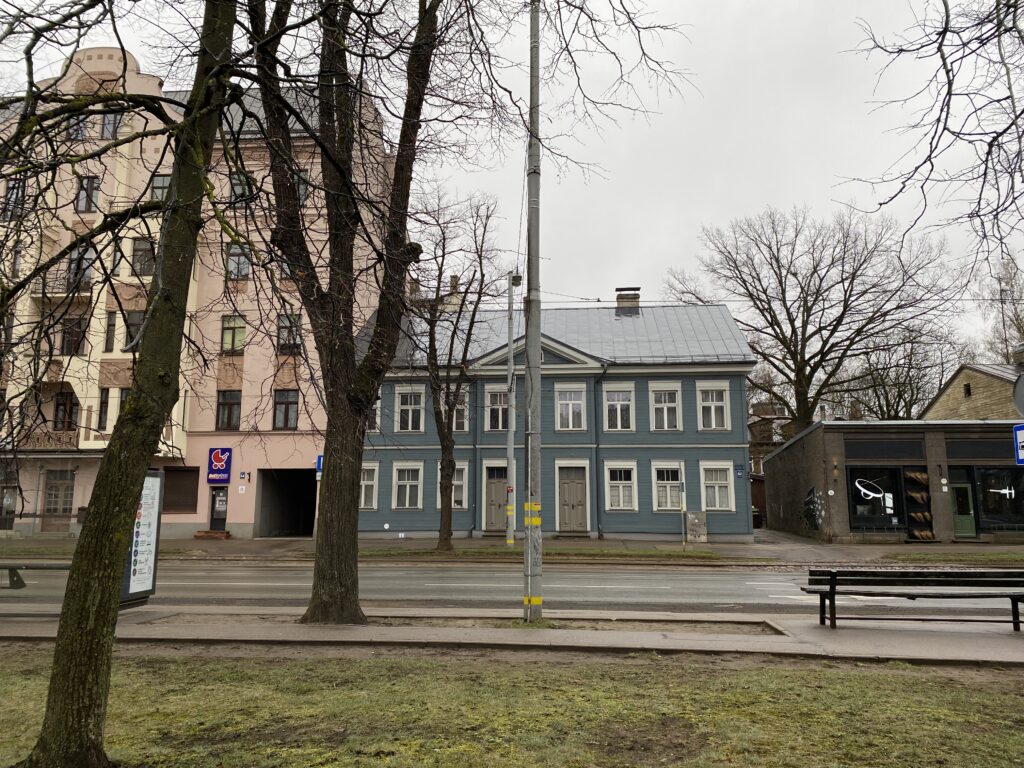
Tucked into an old factory courtyard off the Miera iela quarter, ONE ONE is where Riga goes for techno and drum’n’bass after everything else closes. Two floors of a UNESCO-protected industrial building, DnB upstairs, and a crowd that skews grown-up rather than teenage. Doors open Friday and Saturday around 11pm and run until 6am; entry is about 10 euros, so bring cash and pace yourself.

Yesterday’s Bread

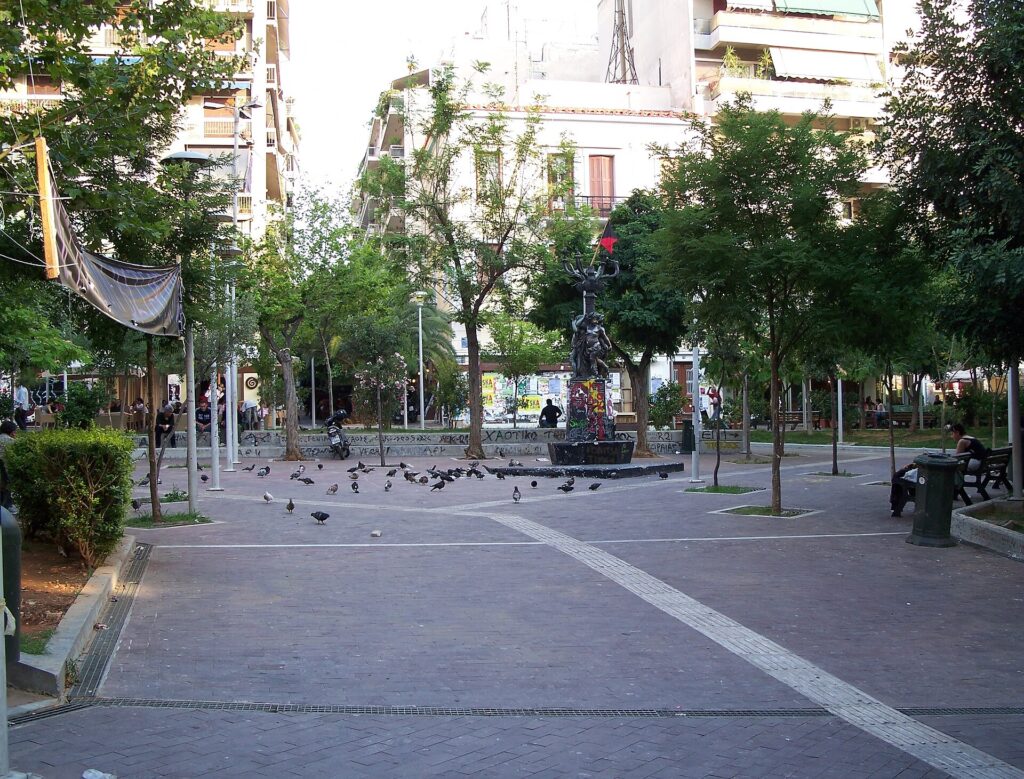
One of Exarcheia’s longest-running secondhand shops, Yesterday’s Bread has been digging up vintage treasure on Kallidromiou for over 25 years. Rummage the racks for 80s Levi’s from around 20 euros, leather jackets from about 50, plus hats, shoes and properly quirky accessories. Come on a Saturday and pair it with the Kallidromiou street market just outside the door.

Mādahòkì Farm

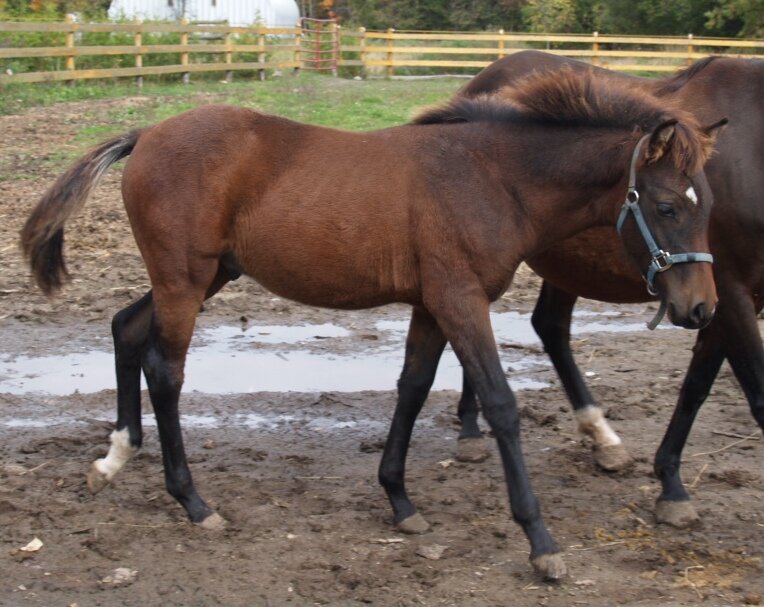
Why it matters: run by Indigenous Experiences, an Indigenous women-owned organization, this farm 20 minutes from downtown is home to a herd of endangered Ojibwe Spirit Horses – Canada’s only known Indigenous horse breed, with roughly 180 registered animals left. Visit Thursday to Sunday for farm tours, dreamcatcher workshops, seasonal Indigenous festivals and a marketplace of Indigenous-made goods. Entry is free; time your visit to the solstice festivals if you can.

Indigenous Walks

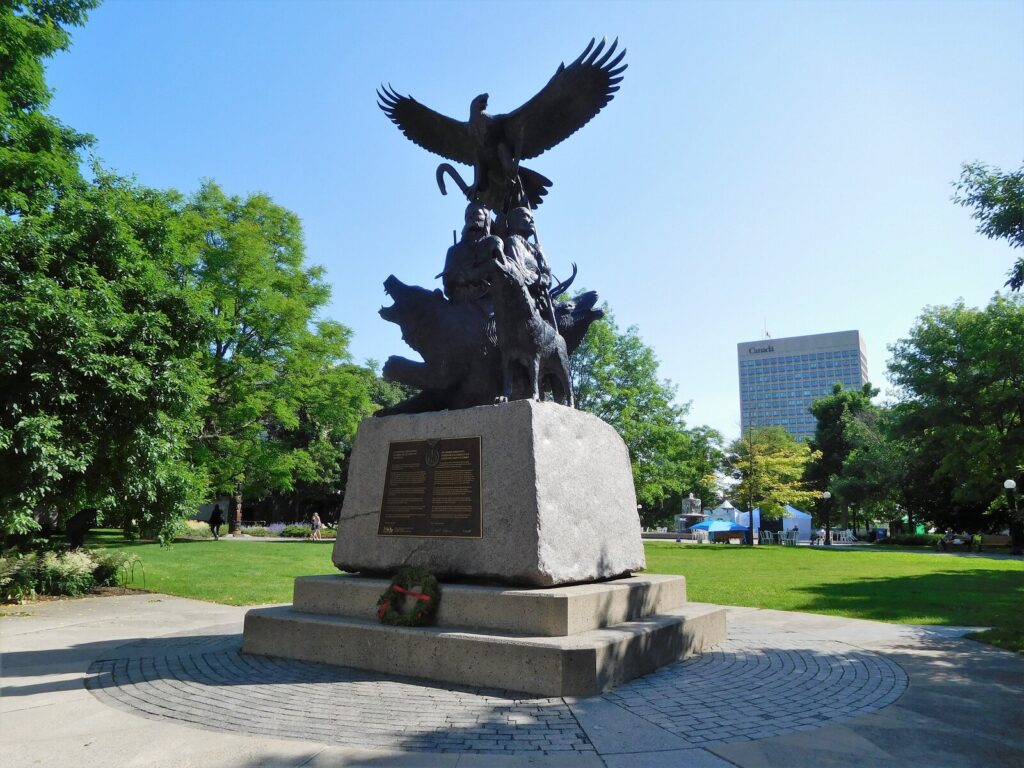
Why it matters: founded in 2014 by Metis artist and educator Jaime Koebel, these Indigenous-led walks re-read downtown Ottawa’s monuments, art and architecture from an Indigenous perspective. Over about two hours and 3 km you’ll cover social, political and cultural history the plaques leave out. Tours run in English and French and are accessible for all ages. Book ahead – dates fill up, especially in summer.

Beandigen Cafe

Why it matters: owned by Anishinaabe mother-daughter duo Paula and Jayde Naponse of Atikameksheng Anishinawbek First Nation, this Lansdowne cafe is a community hub for Indigenous people and their supporters. Alongside the coffee bar you’ll find clothing, art and goods from Indigenous makers, plus regular beading workshops. Order a coffee, browse the shelves and pick up a gift that actually supports the artist who made it. Closed Monday and Tuesday; weekends open at 9am.

Scroll to Top