Like A Local Guide

Listings

BookWoman

Why it matters: opened in 1975 as Common Woman Bookstore by a collective of 13 women, BookWoman turned 50 in January 2026 and is one of fewer than 20 survivors of the original US feminist bookstore wave – owner Susan Post has run it for decades and is now handing the reins to Sarah Schoonhoven. It has never been a museum piece: monthly poetry readings, book groups, LGBTQIA advocacy and a well-stocked banned books table keep the shelves arguing with the present. Browse the Texas feminist writers section, then ask staff what is worth reading right now – they will tell you properly. Note that masks are required in the store, and it is a North Lamar strip-mall storefront, so watch for the angel mural on the windows.
Mexic-Arte Museum

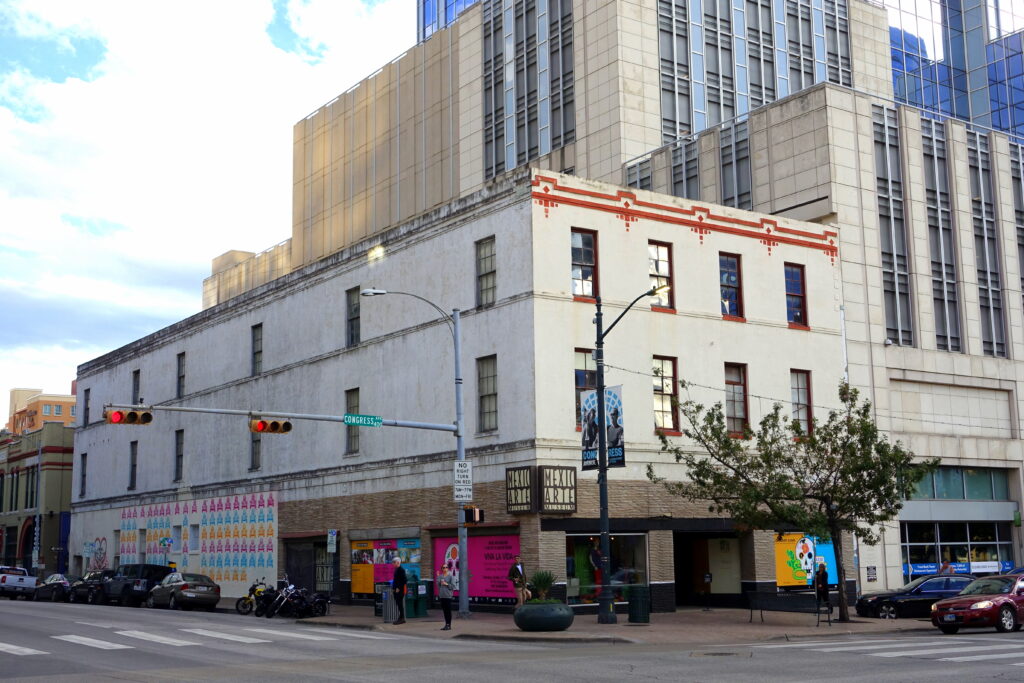
Why it matters: founded as a nonprofit in 1984 by artists Sylvia Orozco, Sam Coronado and Pio Pulido, Mexic-Arte is the official Mexican and Mexican American fine art museum of the State of Texas – and Orozco still runs it as executive director four decades on. Its permanent collection holds over 5,000 works, and its Screen It! and amArte programs have given art education to more than 200,000 underserved Austin youth. The galleries are compact enough for an hour, so pair a visit with the Congress Avenue murals just outside on 5th Street. Admission is $8 for adults, free for everyone on Sundays – and tickets are sold in person at the store desk only, no online booking.

Community First! Village

Why it matters: this 51-acre master-planned community, opened in 2015 by Austin nonprofit Mobile Loaves & Fishes, is home to 440 formerly chronically homeless neighbors – and its Community Works micro-enterprises paid residents $1 million in dignified income in 2025 alone. Public golf-cart tours run Wednesdays, Fridays and Saturdays, 10:30am-12pm, led by staff and neighbors who walk you through the tiny homes, Genesis Gardens farm, outdoor cinema and art house. It is an honest, unsentimental look at a housing model that cities worldwide now come to study. Tours cap at 12 people and fill weeks out, so book well ahead at mlf.org.

Bottega del Mondo Lugano

Bottega del Mondo Lugano

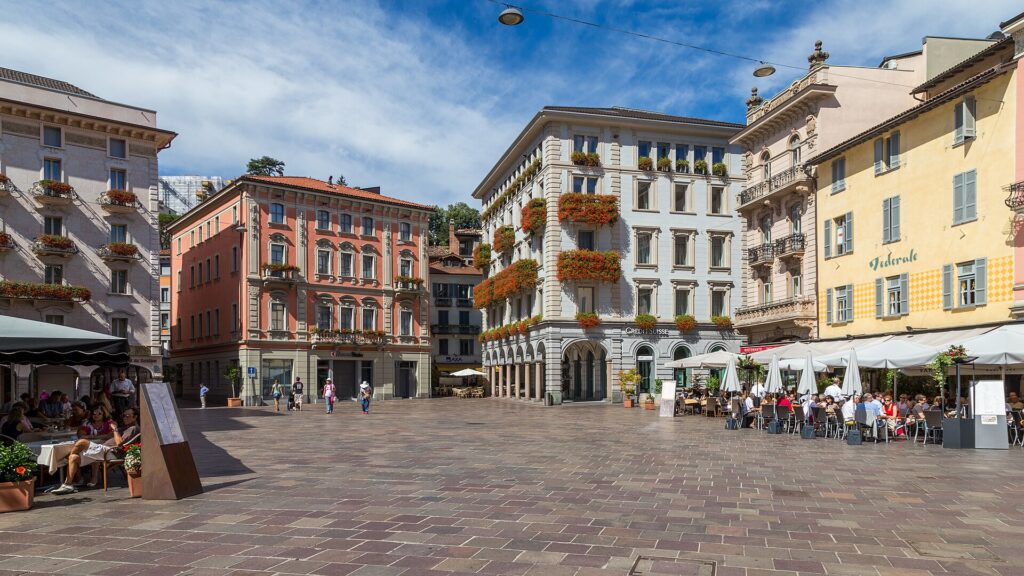
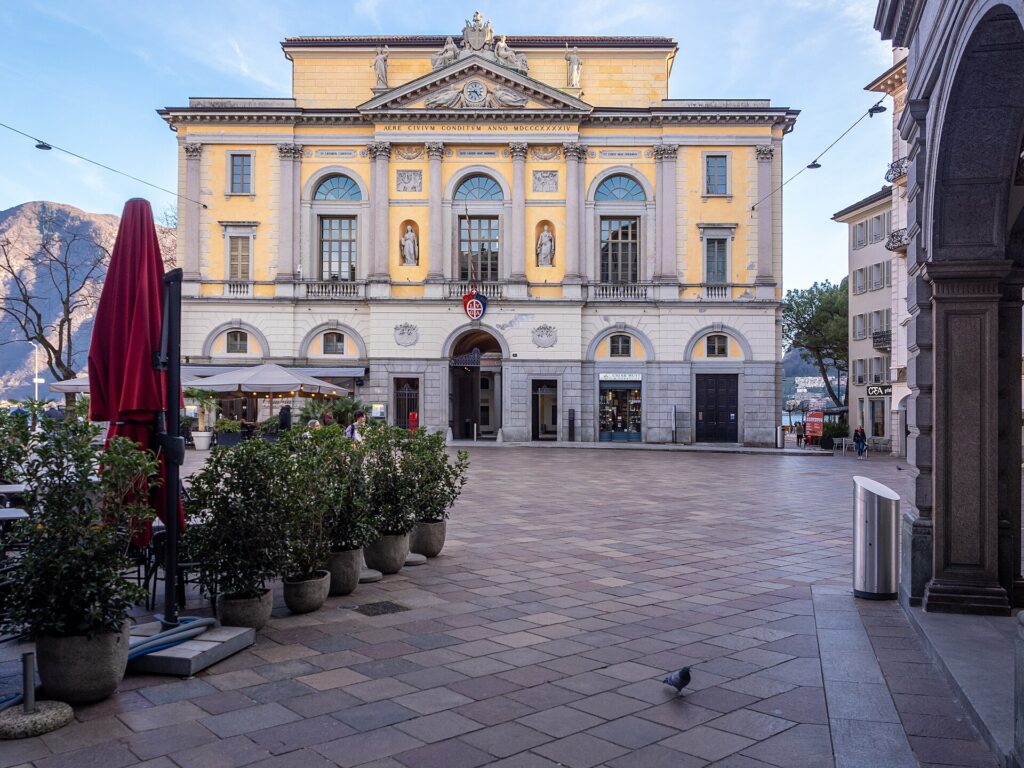
Why it matters: Lugano went two years without a fair-trade shop until this Bottega del Mondo opened in the Quartiere Maghetti on 1 June 2021, staffed by a team of around ten volunteers. It belongs to the Botteghe del Mondo network of Italian-speaking Switzerland, selling food and craft goods bought from producers in the global South on fair-trade terms. The city is on board too: Lugano joined the Fair Trade Town initiative in 2020 and earned supporter status in May 2023. Come for the coffee, chocolate and dried fruit, and browse the handicrafts and cosmetics for souvenirs with a better backstory than anything on Via Nassa – the Maghetti arcades are two minutes from Piazza Riforma, and the shop is closed Sundays.

CATISHOP.CH – Caritas Ticino

CATISHOP.CH – Caritas Ticino

Why it matters: run by Caritas Ticino – an anti-poverty association founded in 1942 – this second-hand shop doubles as an occupational programme, staffed by people working their way back into employment. The stock is genuinely broad: furniture, clothing, books, household goods and electronics, at prices that feel impossible anywhere else in Switzerland. Caritas Ticino’s recycling arm keeps textiles, furniture and electrical goods out of Ticino landfill, so each purchase gives both an object and a person a second chance. Tip: it sits in Pregassona, a short bus ride northeast of the centre, and it closes over lunch – come before noon or after 13.30.

Canvetto Luganese

Canvetto Luganese

Why it matters: reopened in December 2000 by Fondazione Diamante – a Ticino foundation founded in 1978 that accompanies over 600 people with disabilities – this neighbourhood osteria runs 19 supported jobs in its kitchen and dining room. It is a working restaurant, not a charity lunch: a la carte Ticinese cooking, an osteria counter pouring regional wines alongside cold plates of salumi and cheese, and a pastificio making pasta, gnocchi and ravioli by hand. Order the house ravioli with a glass of Merlot del Ticino, and take home a bag of ‘Caffe incluso’, the coffee roasted on site under Diamante’s own label. Tip: it opens Tuesday to Saturday only and the kitchen runs 12-14 and 19-21.30, so book ahead – and hit the pastificio counter between 10.30 and 13.00 if you want fresh pasta to go.

Bureau des Guides du GR2013

Bureau des Guides du GR2013

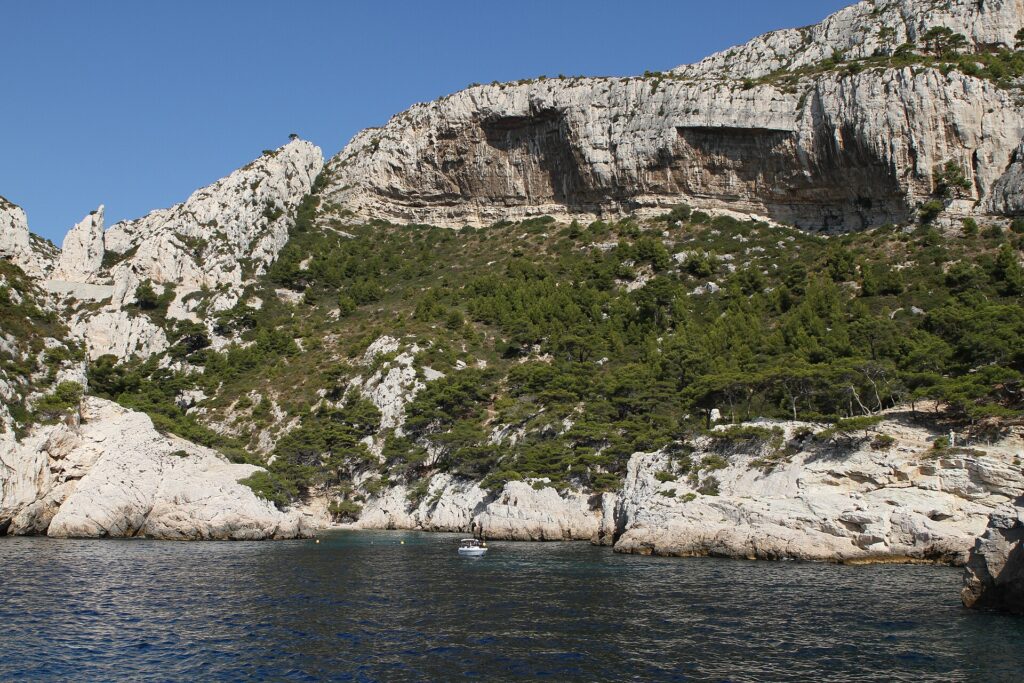
Why it matters: this non-profit, co-founded in 2014 by Julie De Muer, Loic Magnant, Baptiste Lanaspeze and Alexandre Field, is the collective of artist-walkers behind the GR2013 – a 365 km waymarked trail created for Marseille-Provence European Capital of Culture 2013 that loops through 38 towns and 3,000 sq km of the metropolis. It exists to make the whole territory walkable and legible to the people who live in it, not to sell scenery. The guided walks are led by the artists, ecologists and urbanists who mapped the route, and they deliberately take in motorway edges, industrial zones and ravines alongside the hills. Tip: the walks are the point – check the programme before you go, and expect the peri-urban rather than the postcard.

Friche la Belle de Mai

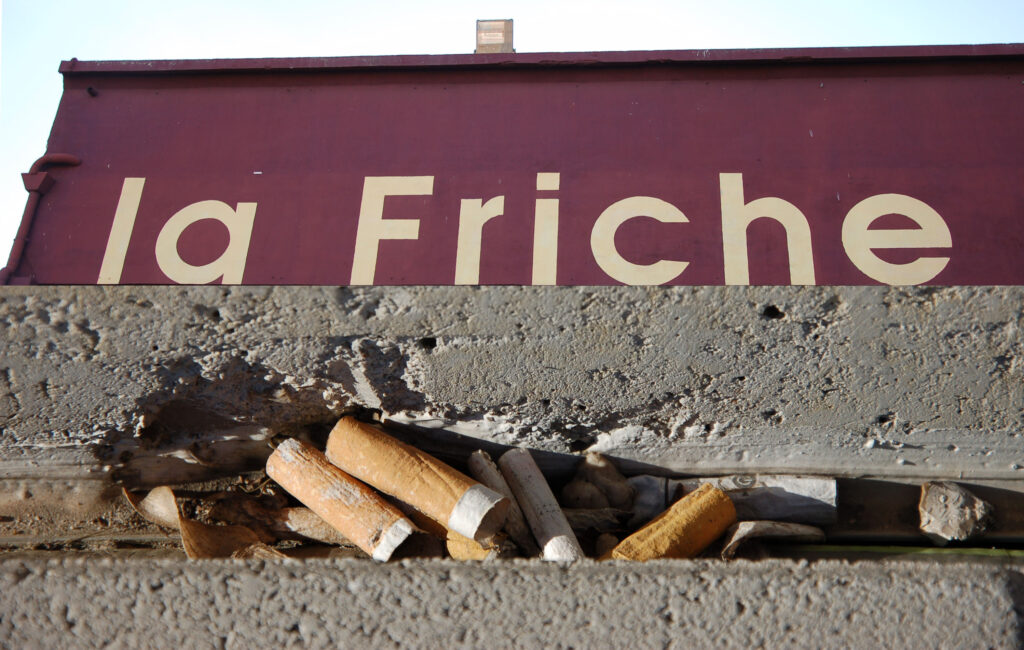
Why it matters: this 45,000 sq m former Seita tobacco factory has been run since 2007 as a SCIC – a cooperative where every member, from resident artists to the city, gets one vote – and it now houses 70 organisations and 400 artists while drawing 450,000 visitors a year. It is a whole quarter rather than a venue: six performance halls, 2,400 sq m of exhibition space, shared gardens, a bookshop, a creche, a skate playground and an 8,000 sq m rooftop terrace open in summer. Come for an exhibition, then eat at Les Grandes Tables and stay for the roof at sunset. Tip: the Jobin entrance has the ticket office, and much of the site is free to wander – check the day’s programme on arrival.

L’Apres M

Why it matters: when the McDonald’s here closed in 2019 and made its 77 staff redundant, assistant manager and staff rep Kamel Guemari led former employees, neighbours and local associations in taking the building over during the March 2020 lockdown to hand out food parcels in a corner of the quartiers Nord that badly needed them. It runs today as fast social food – a working burger joint that doubles as a mutual-aid platform and exists to get people back into work – and the City of Marseille backed the purchase of the building in 2021 to make it permanent. Order a Maous Costo or a Faim de l’Espace. Closed Sundays, and it sits well north of the Vieux-Port out in the 14th, so go deliberately rather than hoping to pass by.

Albergue de las Carbajalas

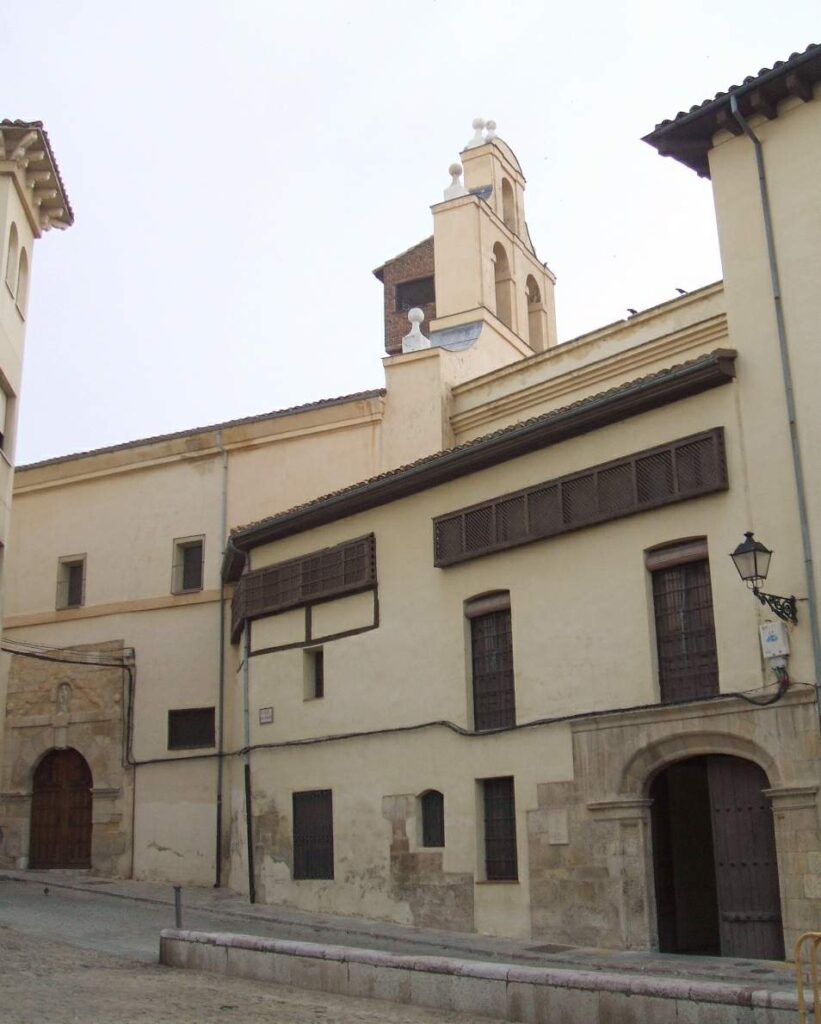
Why it matters: the Benedictine nuns of the Santa Maria de Carbajal monastery have run this pilgrim albergue since 1993, non-profit from the start and still donativo – you give what you can, and that is what keeps it open. It sits inside the monastery complex in Leon’s old town, pressed against the medieval wall and looking onto the Plaza de Santa Maria del Camino, beside the Romanesque Iglesia del Mercado where Leon’s patron, the Virgen del Camino, is venerated. The welcome comes from volunteer hospitaleros who have walked the Camino themselves, and that is precisely the difference between this and a bunk in a hostel. Practical tips: open 1 March to 31 October, reception and credential stamping from 13:00, doors shut at 22:30 and silence from 22:00 – and they take no reservations whatsoever, groups included, so turn up early with your credential in hand.

Scroll to Top