Like A Local Guide

Listings

Museo Sierra Pambley

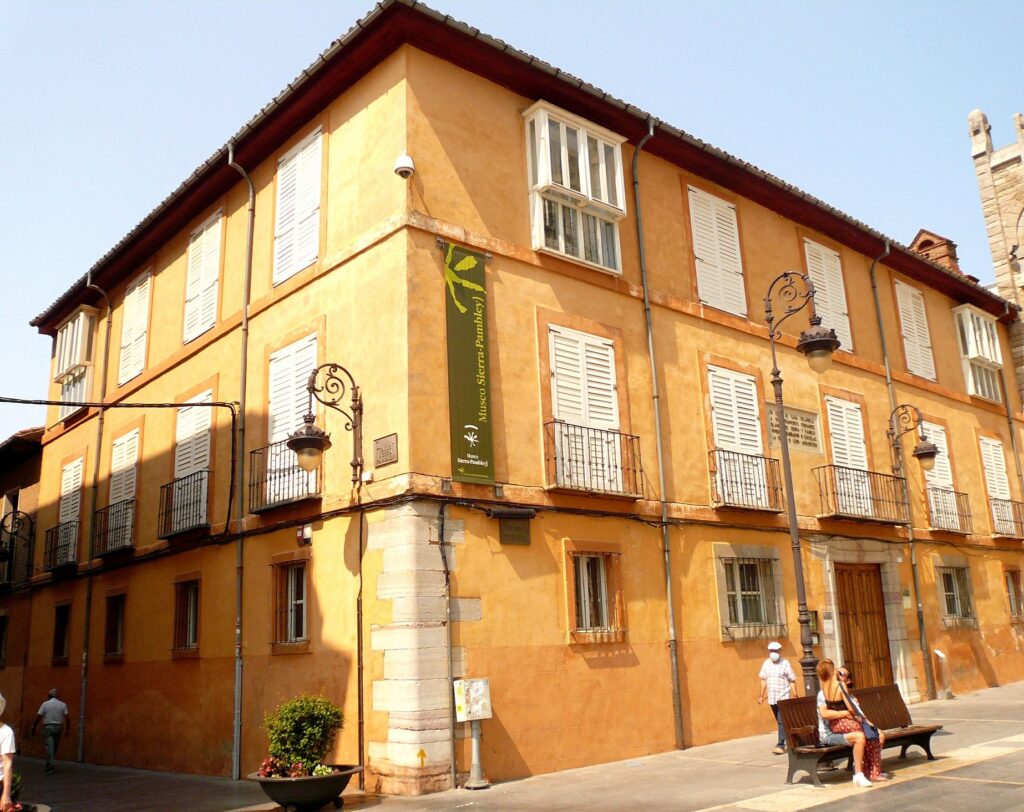
Why it matters: Francisco Fernandez Blanco de Sierra-Pambley, born in Villablino in 1827 into a family of means, chose to spend his inheritance founding free schools for the poorest children of Leon and Zamora – five of them between 1887 and 1903, at Villablino, Hospital de Orbigo, Villameca, Moreruela de Tabara and Leon itself – and the foundation carrying his name is still educating more than 125 years later. Opened in 2006 in his 19th-century mansion directly on the cathedral square, the museum is two visits in one: the intact home of a wealthy but unusually progressive Leonese family, and the story of the schools and the krausist teaching reform behind them. Around 3,000 original 19th-century pieces are on display, from the family’s rooms to the material of the classrooms. Practical tip: it is steps from the cathedral so pair the two, and book the guided visit on 987 276 775 – that is where the school story actually comes alive.
Oxfam Intermon Leon

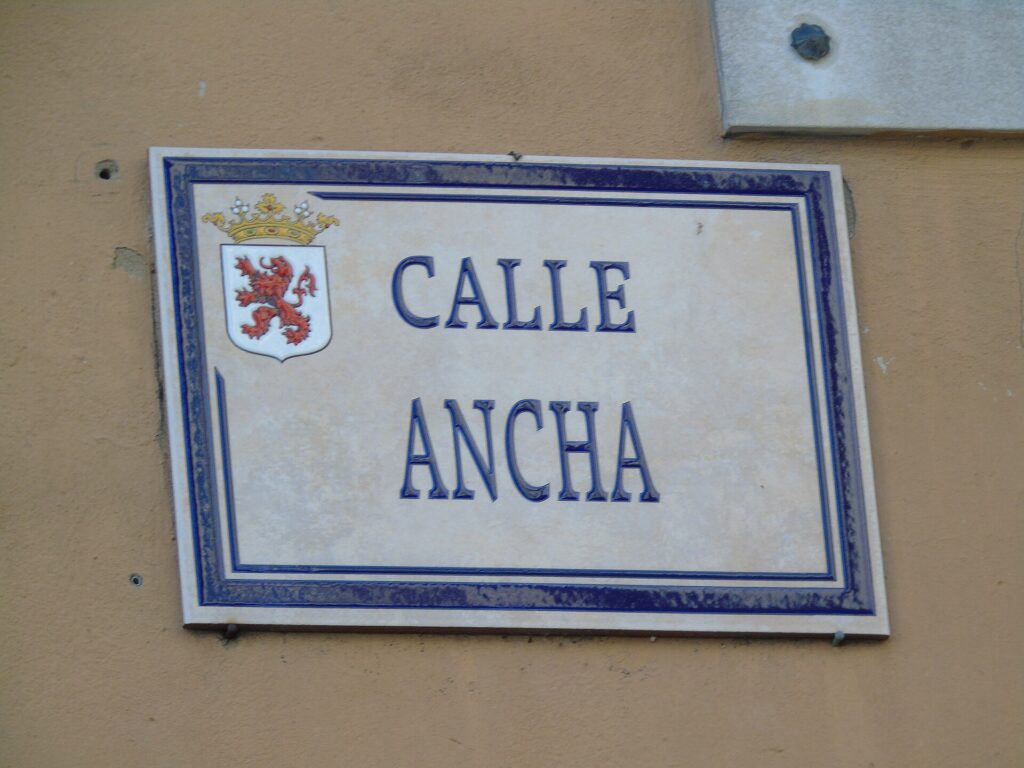
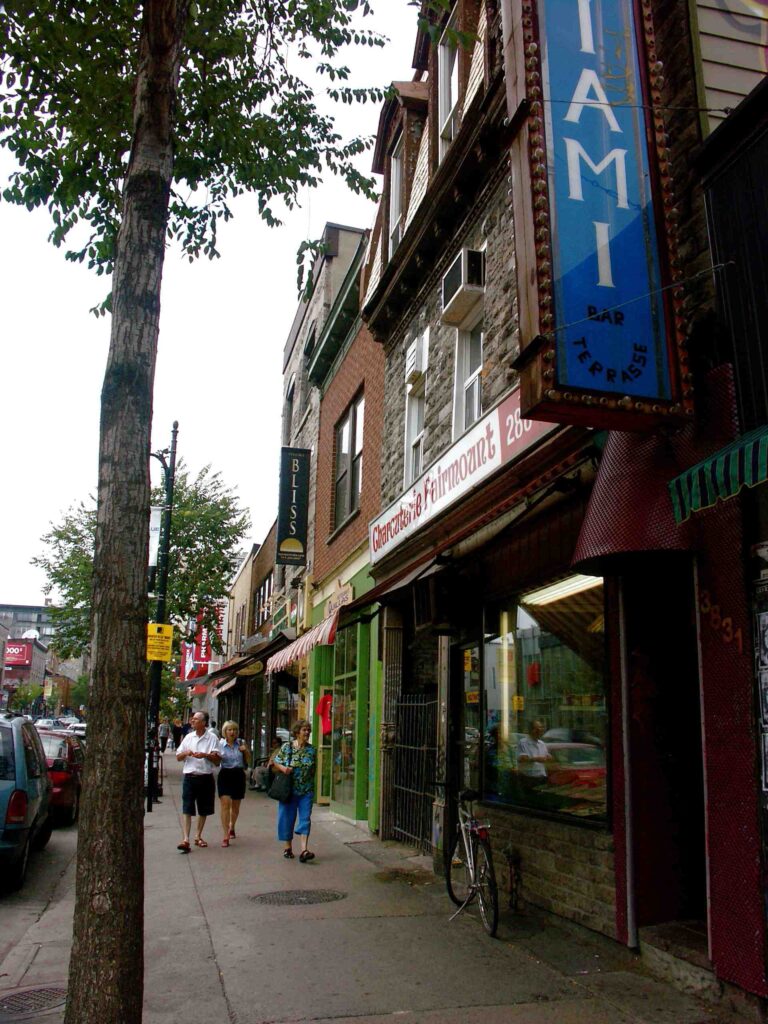
Why it matters: opened in 1995, this was the first shop in Leon dedicated to fair trade, and three decades on it is still run entirely by volunteers for the NGO Oxfam Intermon, with every purchase funding the organisation’s work alongside producer cooperatives in Asia, Africa and Latin America. Coffee is the star: the house Tierra Madre brand comes from Ugandan cooperatives where the women have won ownership of the land they farm. The rest of the small shop runs to chocolate, biscuits, juices, jam and pate alongside textiles, jewellery, ceramics, soaps and cosmetics, which makes it the rare souvenir stop actually worth the detour. Practical tip: it is on Calle Cervantes in the Barrio Romantico, five minutes from the cathedral, and it shuts for the long Spanish lunch, so come before 14:00 or after 17:30.

La Guilde

Why it matters: La Guilde is a charitable non-profit founded in 1906 that exists to preserve and promote Inuit, First Nations and Metis art alongside Canadian fine craft – for 120 years it has worked to build a sustainable market for handmade art, with a focus on work by women and Indigenous artists. That makes it the rare gallery where buying a piece is the point rather than a gift-shop afterthought. Come for the rotating exhibitions and the permanent collection, then browse the available works – stone and bone sculpture, textiles, ceramics and jewellery, priced from small pieces up to serious collector work. Practical tip: it is closed Sundays and Mondays and does not open until noon Tuesday to Friday (10am on Saturday), though staff will open by appointment from 10am if you call ahead.

Robin des Bois

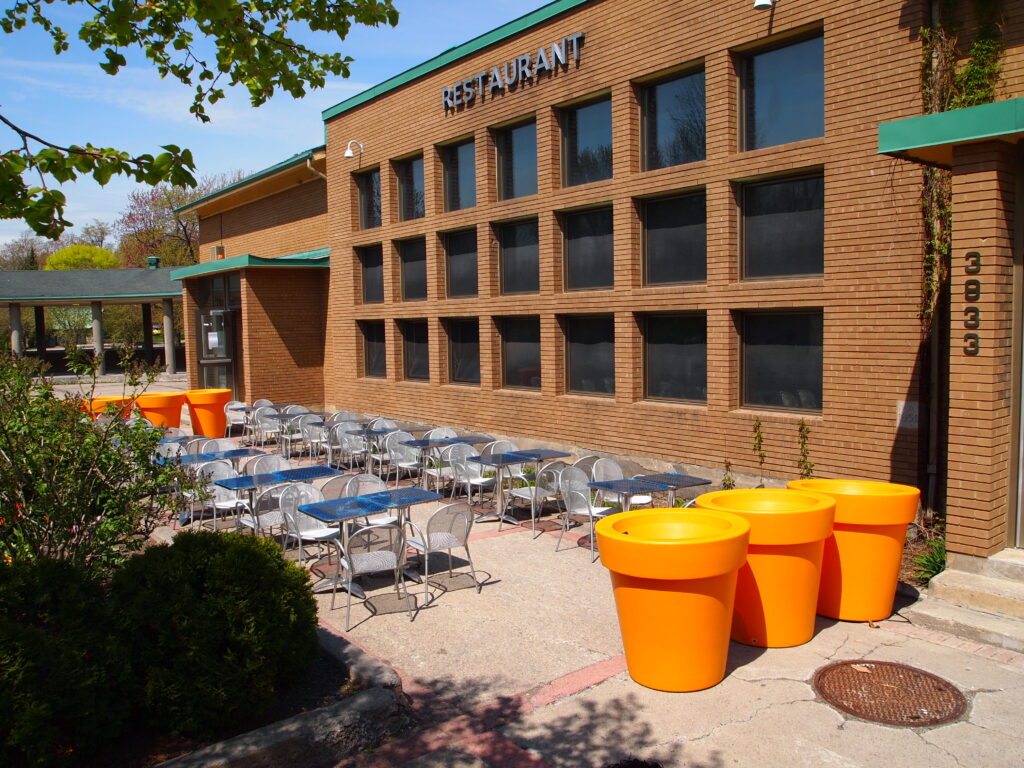
Why it matters: founded in 2006 by Judy Servay, Robin des Bois is a non-profit restaurant run largely by volunteers, and it channels its proceeds – plus food donations and free use of its rooms – to Montreal community organisations including Le Refuge des Jeunes, Le Chainon, Accueil Bonneau and Sun Youth. It also happens to occupy the chalet in the middle of Parc La Fontaine, which is a genuinely lovely place to eat regardless of the cause. Order at the counter from the homemade menu, pay, then pick a table and take your food out into the park. Practical tip: hours are seasonal – Thursday to Saturday it stays open to 10pm from May through September, but October to April it opens weekends only, 10am to 5pm, so check before trekking over. Sign up online if you want to volunteer a shift; the space is wheelchair accessible.

Les Filles Fattoush

Why it matters: this is a social-economy project whose kitchen gives Syrian refugee women in Montreal a first work experience, built around their own family recipes – Tourisme Montreal describes the mission as empowering those women through meaningful employment and cultural connection. What started as spice blends and catering is now a permanent year-round cafe-boutique in the heart of Jean-Talon Market. Order the mezze by weight – the hummus and babaghanouj are the ones regulars come back for – then finish with a Turkish coffee and baklava at one of the few seats inside. Practical tip: it is a small counter with limited seating, so come off-peak, and the Middle Eastern pantry shelf (pomegranate molasses, za’atar, pita chips) is the easiest edible souvenir in the city.

Holocaust Memorial Center for the Jews of Macedonia

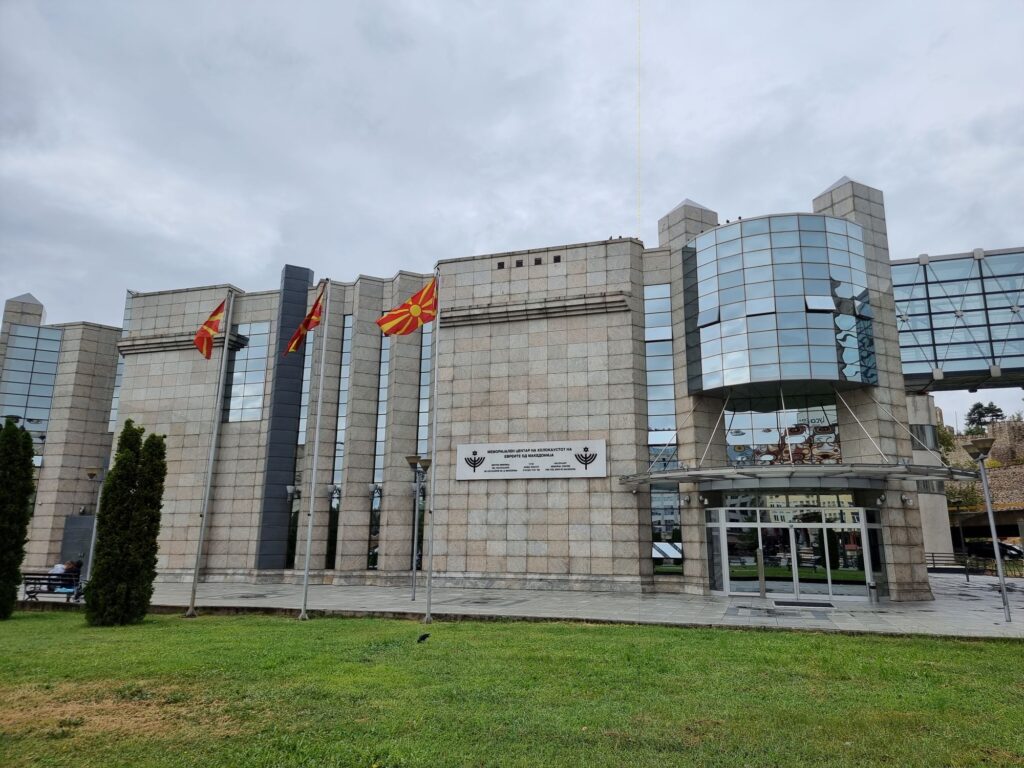
Why it matters: this is a Holocaust museum built with money that belonged to the victims. In 2002 the government made the Holocaust Fund of the Jews of Macedonia – directed by the Jewish community itself – the legal recipient of heirless Jewish property, and the roughly 25.6 million dollars of restitution paid out between 2009 and 2018 financed this center, which opened in 2011 in Evrejsko Maalo, the old Jewish Quarter it commemorates. The subject is the 7,148 Macedonian Jews, some 98 percent of the community, rounded up in March 1943 and deported to Treblinka. The permanent exhibition, opened in 2019, traces two millennia of Sephardic life in the Balkans before it gets to the deportation, and includes a section on Ladino as it was spoken here – do not skip it to reach the Holocaust rooms, because the loss only lands if you have seen what was lost. Practical tip: it sits directly behind the Museum of the Macedonian Struggle, two minutes from the Stone Bridge, and it is closed on Mondays.

Macedonian cuisine

Kopche

Why it matters: run by the Red Cross of the City of Skopje since 2018, Kopche is a second-hand shop where one rack of donated clothes does three jobs at once – sold cheap to whoever walks in, given away free by voucher to families in social risk, and worked by people from vulnerable groups being brought back into employment. Clothing too worn to resell gets cut up and sewn into patchwork bedding and holiday decorations instead of going to landfill. Come to rummage rather than to shop a curated rail, and ask after the patchwork pieces – they are the only-here buy. Practical tip: it is inside the Red Cross building on Bul. Kocho Racin, a short walk from Macedonia Square; open to 17:00 on weekdays but only to 14:00 on Saturday and closed Sunday, and you can drop off clothes you are done travelling with while you are there.

Bazerdzan

Why it matters: founded in 2016 by Zana Karkin, who got tired of watching generic plastic souvenirs crowd out real Bosnian craft, this Bascarsija concept store is built as a hub for local designers and rural artisans – tanners in Visoko, wool workers, village women who knit and embroider folk costumes, jewellers working rare inlay techniques. Everything is made in BiH, in limited runs, and the makers are named. Look for the pieces that carry actual Bosnian history: Ina Cano’s ornaments drawn from the traditional tattoos of Bosnian Catholic women, or Kemil Bektesi’s collection built on the Neolithic Butmir culture. The Titova branch has closed – the Bascarsija shop is the one to find.

Green Visions

Why it matters: Bosnia and Herzegovina’s first ecotourism company, started in 2000 by Thierry Joubert and a group of friends after he spent eight years on humanitarian and development work here – it books through rural communities and small local operators rather than around them. Green Visions also coordinates the Via Dinarica Alliance, the 2,000km trail National Geographic Traveler named a top destination in 2017. Day hikes into the Bjelasnica highland villages are the easy win if you only have one spare day; there is also biking, rafting and winter snowshoeing. Book ahead by email – the office keeps weekday hours only.

War Childhood Museum

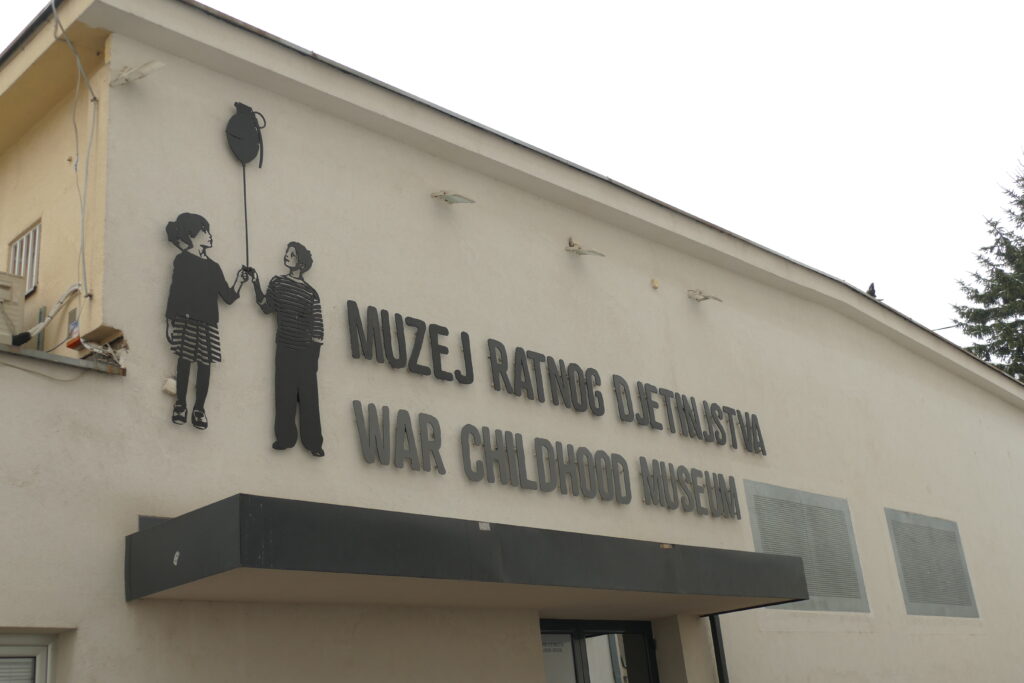
Why it matters: an independent, non-profit museum founded by Jasminko Halilovic, who was four when the siege began – it started in 2010 as an online call for memories, drew over 1,000 responses, and opened on Logavina in 2017. It won the Council of Europe Museum Prize in 2018, and it is not government-funded. The collection is everyday objects donated by people who were children in the war – a diary, a pair of ballet shoes, a toy – each shown with the owner’s own words. Give it 90 minutes; it is small but you will read every card. Free entry the last Thursday of the month, 5-7pm.

Scroll to Top