Like A Local Guide

Listings

Tranzit House

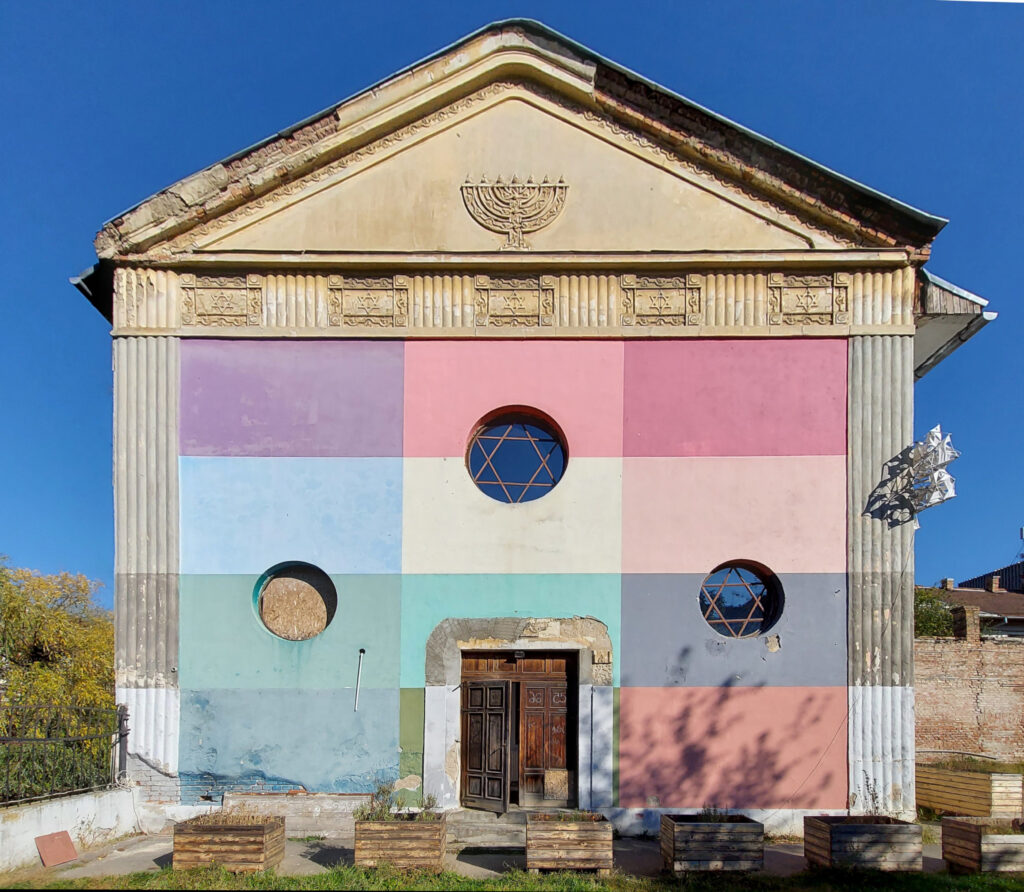
Why it matters: the Tranzit Foundation has leased the former Poalei Tzedek synagogue from Cluj’s Jewish community since 1997 and run it as an independent centre for contemporary art and thinking – the reason a building that went from house of worship to communist-era warehouse is still standing and still in community hands. The restoration is ongoing and self-driven: the west facade, with its 2003 mural by Cosmin Pop and Vera Weisgerber, was completed in 2025. Come for a concert, film night, exhibition or performance in the old sanctuary and look up – the ceiling murals show a starry sky and the four creatures of the Pirkei Avot: leopard, eagle, deer and lion. Check the programme before you walk over; it opens for scheduled events rather than keeping museum hours.
Cofeels

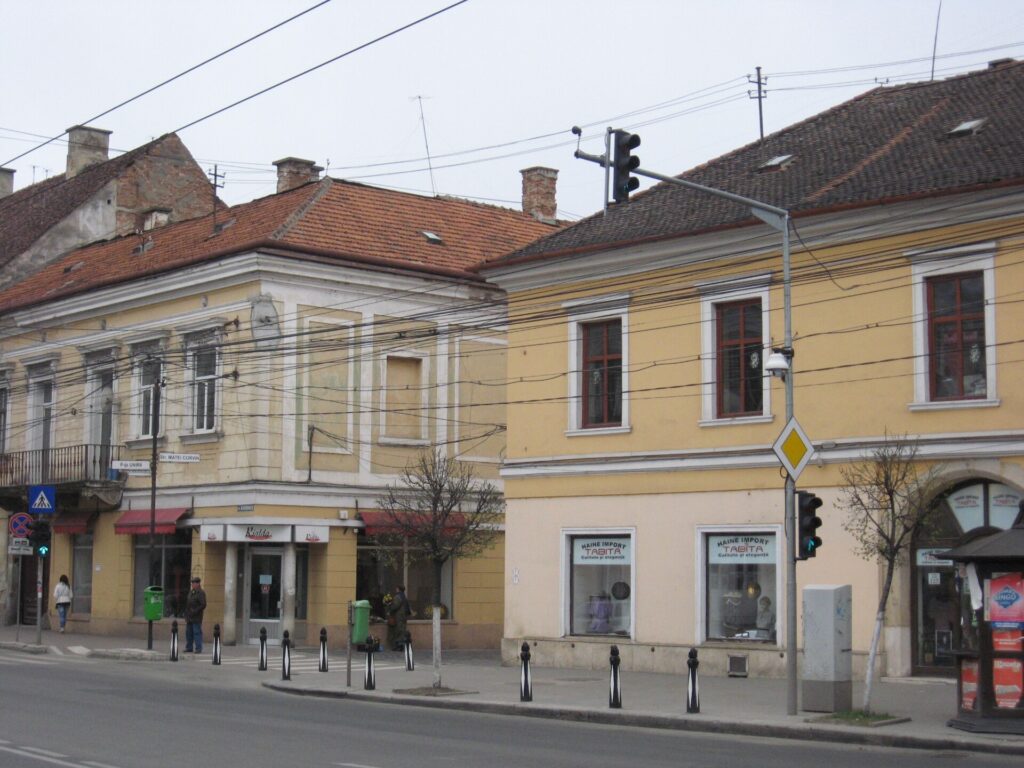
Why it matters: opened in 2021 by Lucian Butnaru as Cluj’s first social cafe, Cofeels employs people with disabilities – its operating company, Eyes Love Coffee, is a state-authorised protected unit, so the inclusion is the business model rather than a marketing line. The coffee holds its own regardless: freshly roasted specialty beans, the house Seaside blend, single origins from Ethiopia, Colombia, Peru and Brazil, plus pastries and fresh juices. Order an espresso drink at the counter and take a bag of Seaside home with you. It is a daytime place – doors close at 17:30 on weekdays and 16:00 at weekends, so do not save it for the evening.

Kazuri Beads

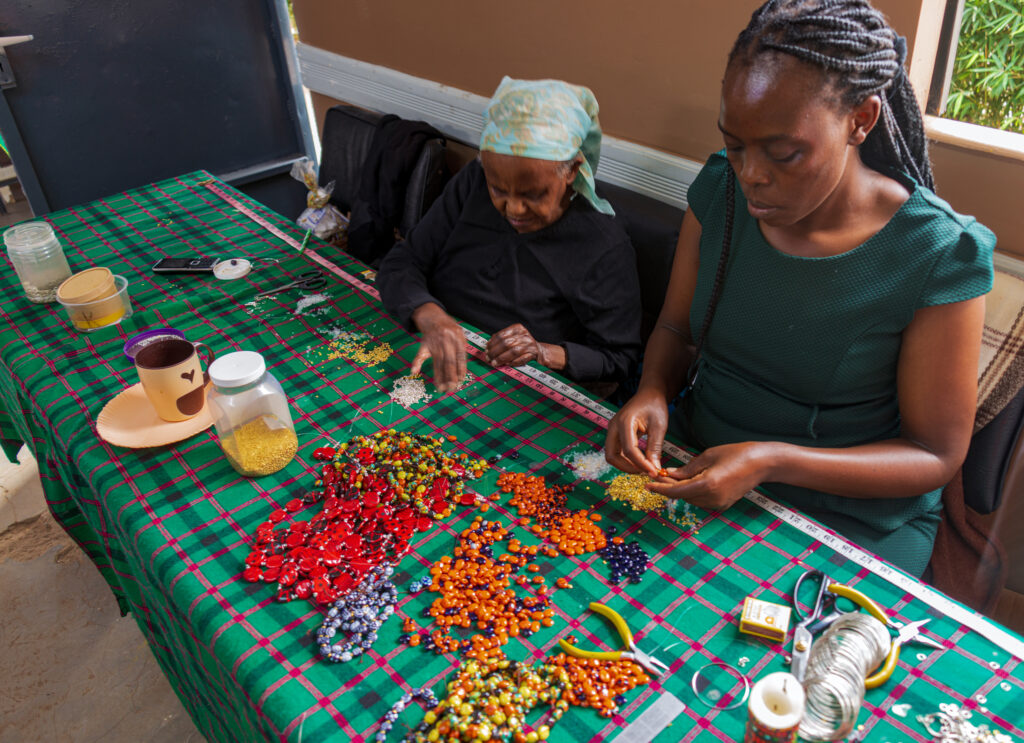
Why it matters: Kazuri means “small and beautiful” in Swahili, and it began in 1975 as Lady Susan Wood’s backyard pottery employing two local women. Today it is a World Fair Trade Organization member employing hundreds of Kenyan women, most of them single mothers, with an on-site clinic that provides free medical care to staff. The workshop tour is free and walks you through the entire cycle – raw clay hand-rolled into beads, then painted, glazed and kiln-fired in front of you – before it drops you in the shop, where the ceramic necklaces and pottery are the rare Nairobi souvenir whose maker you have actually met. Come on a weekday morning when every bench on the production floor is full; that is the whole point of coming here rather than buying the beads downtown.

Dilli Haat INA

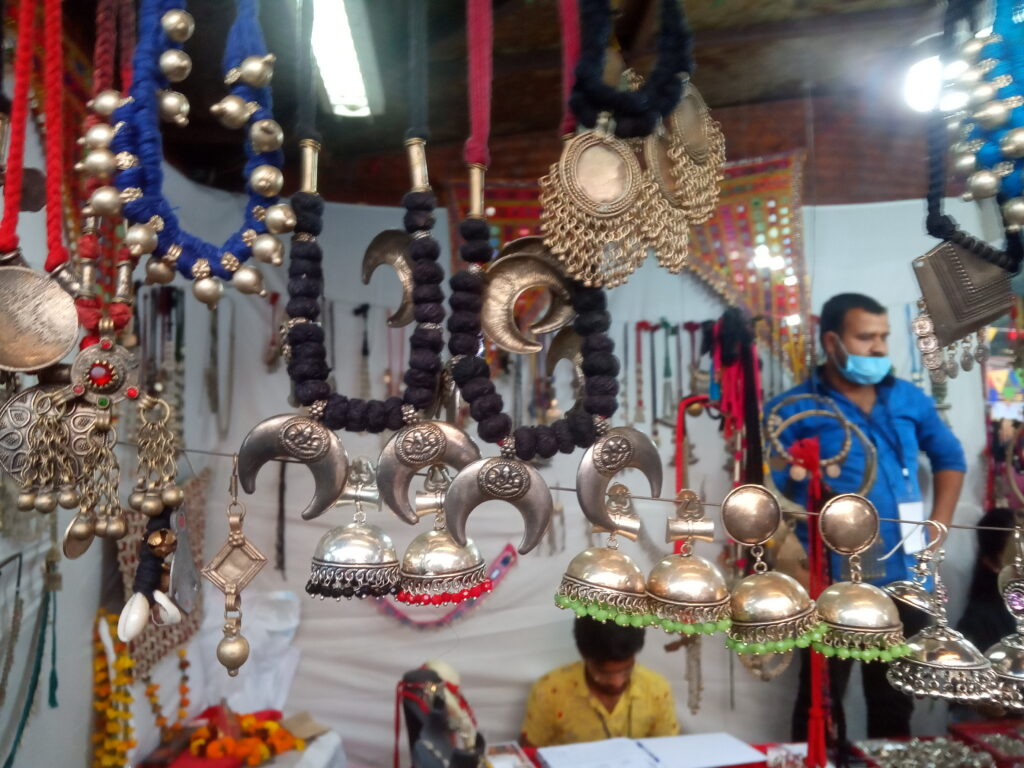
Why it matters: since 1994 this craft bazaar has handed its stalls to artisans registered with the Development Commissioner (Handicrafts), rotating them every 15 days at a nominal fee so craftspeople from across India sell directly to you – no middlemen, no inflated markups. Delhi Tourism built it with the Ministry of Textiles expressly to give needy artisans a market, and the rotation means the Kashmiri shawls or Nagaland weaves you see this fortnight will be gone the next. The food court is the other reason to come: Sikkimese momos, Nagaland chicken, Gujarati dhokla, all cheap and state-by-state. Open daily 11am to 8pm, entry Rs30 for Indians and Rs100 for foreigners; INA metro is a two-minute walk, and bargaining is expected but keep it kind.

Sunder Nursery

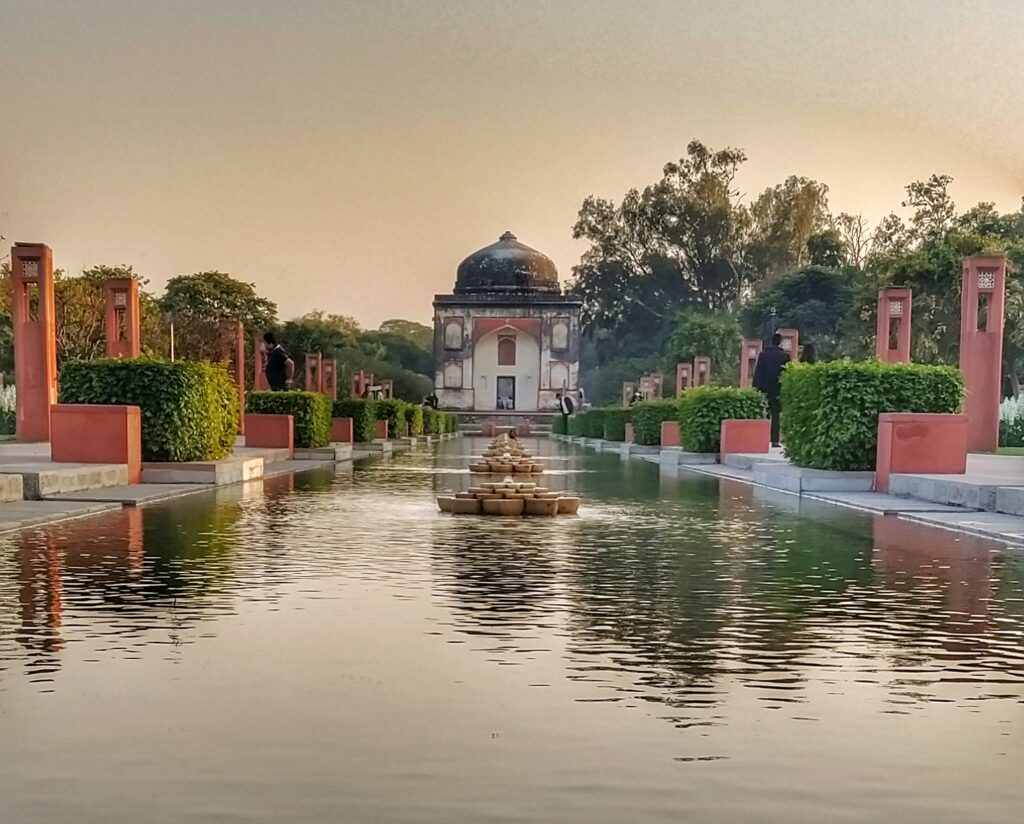
Why it matters: the Aga Khan Trust for Culture spent a decade turning a century-old British plant nursery into this 90-acre heritage park, opened in 2018 – conserving 15 Mughal-era monuments while running a parallel programme of vocational training, health and sanitation work in the neighbouring Nizamuddin Basti, including the Insha-e-Noor women’s craft collective founded in 2008. It is now Delhi’s first arboretum, with almost 300 tree species, 80 bird species and a 500-metre central vista tracing the old Grand Trunk Road. Come early, walk the microhabitat zone that recreates Delhi’s four native habitats, and pair it with Humayun’s Tomb two minutes away on a joint ticket. Open daily 7am to 10pm; the organic farmers’ market runs Sunday mornings from 8am.

Salaam Baalak Trust City Walk

Salaam Baalak Trust City Walk

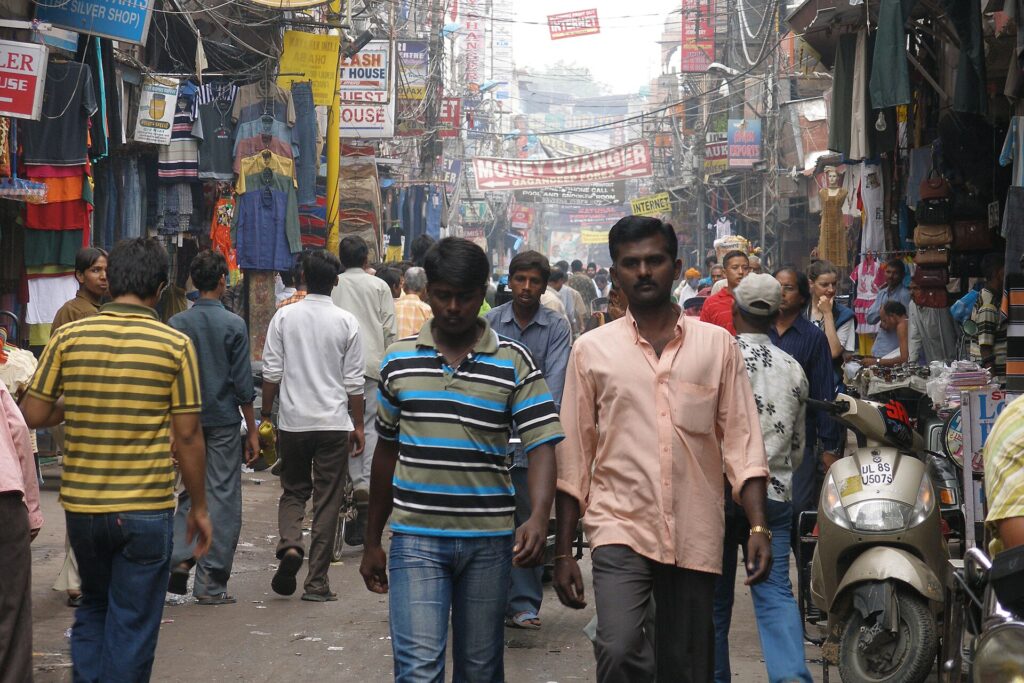
Why it matters: this two-hour walk through Paharganj is guided by adolescents who once lived on these streets themselves, and profits go back into Salaam Baalak Trust’s shelters, schooling and food for Delhi’s street children. You walk the lanes around New Delhi Railway Station, stop at the Trust’s contact point and end at its head office, hearing the city through the guide’s own story rather than a script. It is the least touristy hour and a half you will spend in Delhi. Walks start at 10am and run about 90 minutes – book at least 24 hours ahead, and skip Sundays and holidays when the street life the walk depends on simply isn’t there.

Feria de Mataderos

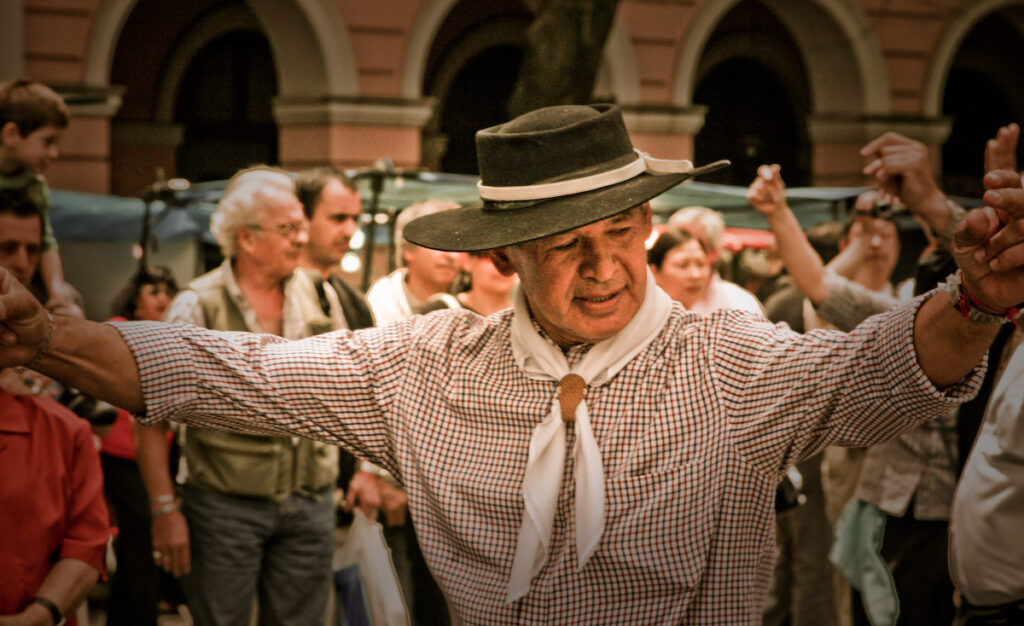
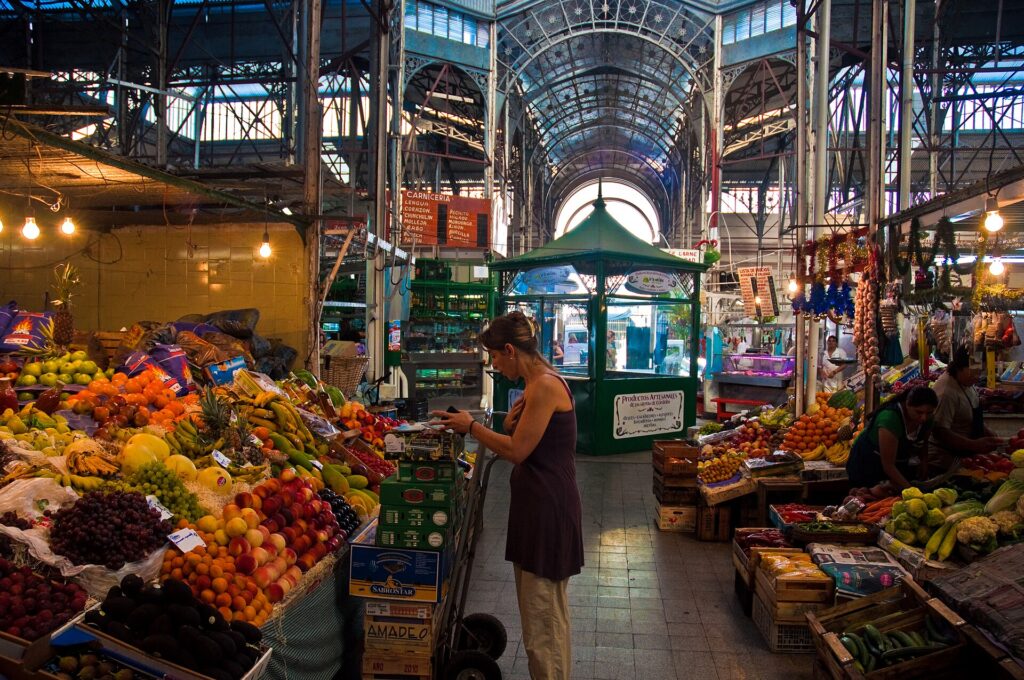
Why it matters: founded in 1986 to keep gaucho and provincial folk culture alive in the capital, this community fair opened its 40th-anniversary season in 2026 and is still the best free show in Buenos Aires – live folklore bands, dancing in the street, and artisans from every corner of the country. Come hungry: the pastelitos and locro here are the real deal. Runs Sundays and national holidays 11:00-19:00, March through December (skips Jan-Feb and rainy days); it’s a 40-minute cab ride from the center and worth it.

Arte y Esperanza

Arte y Esperanza

Why it matters: this fair-trade shop is run by an NGO that has worked with Argentina’s Indigenous communities since 1986, channeling income to more than 500 artisan families from the Wichí, Qom, Mbya Guaraní, Kolla and other peoples. Expect hand-carved palo santo, chaguar-fiber weavings, ceramics and silverwork, with each piece traceable to its maker’s community. It sits steps from Plaza de Mayo on the way into San Telmo; check arteyesperanza.com.ar for current hours before you go.

Alamesa

Alamesa

Why it matters: opened in 2024 by infectious-disease doctor Fernando Polack, Alamesa is Buenos Aires’ first restaurant run almost entirely by a team of around 40 neurodivergent young adults – from kitchen to floor – in a knife-free, flame-free kitchen designed around them. The short menu comes from Japanese-Argentine chef Takehiro Ohno; the panko salmon and pastrami beef are the standouts. Lunch only, Wednesday to Sunday, and tables book out far ahead – reserve online well in advance.

Saturday Good Market

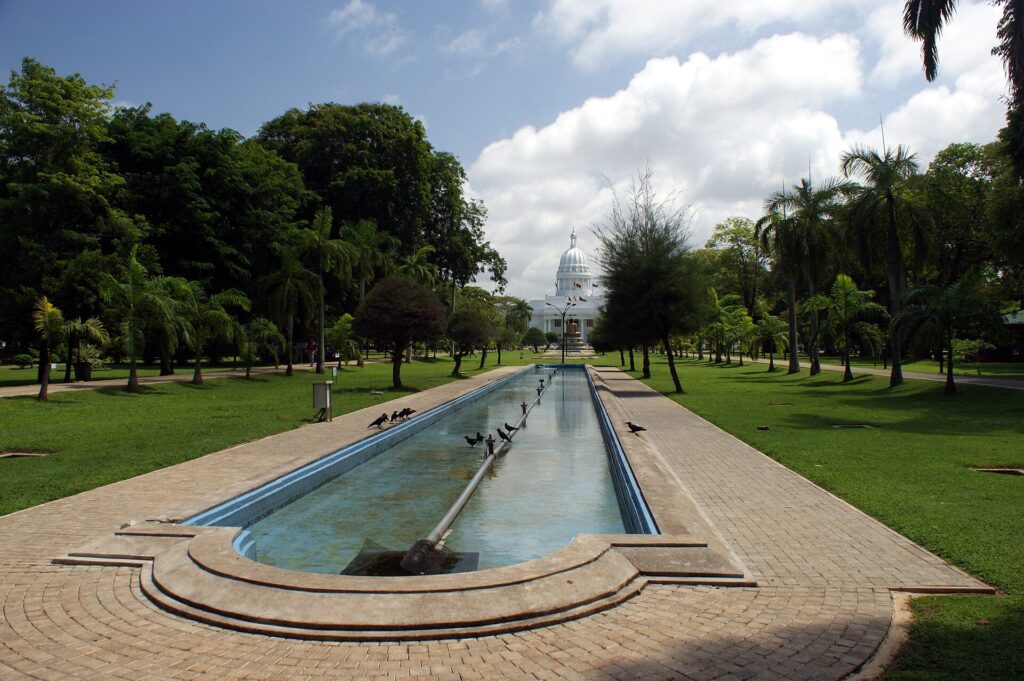
Every Saturday, rain or shine, 70 to 90 vendors fill the Nuga Tree Car Park beside the Colombo Racecourse with organic produce, natural food, ethical fashion, and handmade crafts. Why it matters: Good Market is a not-for-profit social enterprise that screens every stall – only vendors that are good for people and good for the planet, from organic farmers to fair trade artisans, make the cut. It is the easiest single stop in Colombo to shop directly from Sri Lankan social enterprises. Tip: come hungry and go early – the market runs 9am to 5pm and the food stalls and fresh produce are best before noon.

Scroll to Top