Like A Local Guide

Listings

Bison Coffeehouse

Bison Coffeehouse

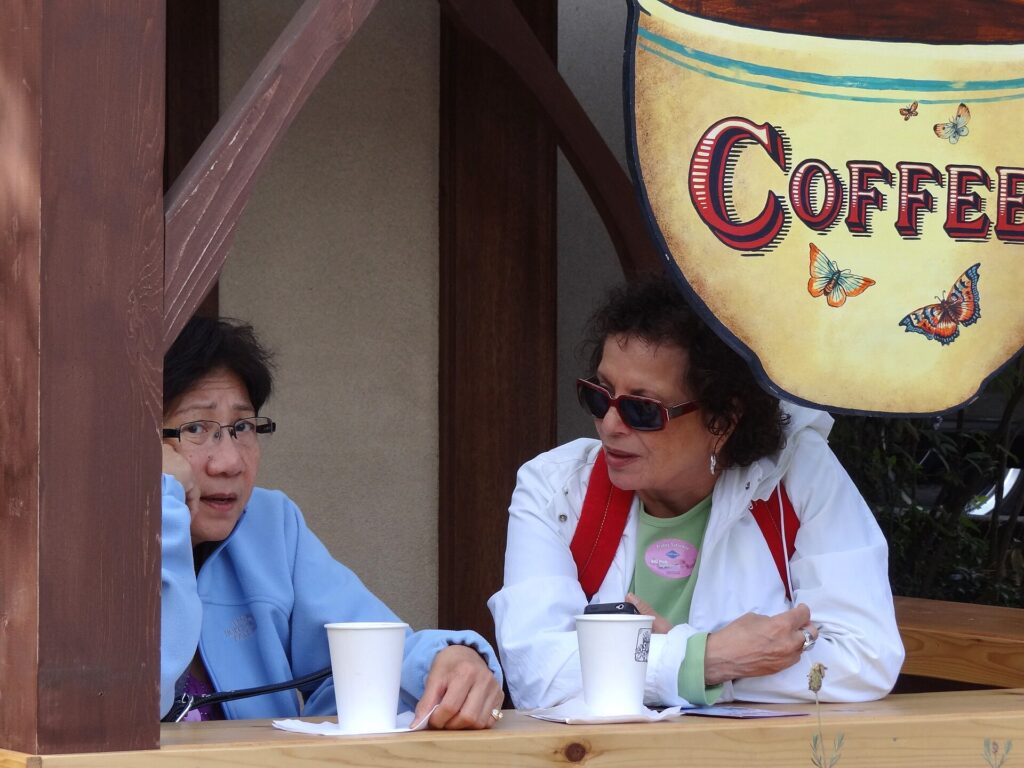
Why it matters: opened in 2014 by Loretta Guzman, a member of the Shoshone-Bannock Tribes, this is Portland’s only Native-owned coffeehouse – the beans come from Native and local roasters, and the shop is a steady supporter of Indigenous causes like MMIW awareness. It’s the living room of the Cully neighborhood, well off the tourist track and better for it. Order a latte with one of the pastries baked on site, and take in the Native art on the walls. Weekdays it opens at 6am, earlier than almost any cafe in town.

Deadstock Coffee

Why it matters: founded in 2015 by former Nike shoe developer Ian Williams, this Black-owned sneaker-culture coffee shop set out to make specialty coffee feel welcoming to people who never saw themselves in it. After a decade in its Old Town storefront it moved around the block in early 2026 into the lobby of The Hoxton hotel, sneaker displays intact. Order the LeBronald Palmer – lemonade, sweet tea and espresso – and browse the kicks on the shelves while you wait. It opens at 7am daily, one of the earlier pours in Old Town.

Fourwood Laundry

Bucharest’s first proper self-service laundromat, tucked behind Hotel Horoscop on Calea Șerban Vodă, a short walk from Piața Unirii metro. Machines take card and NFC payments, and a wash-and-dry cycle runs about an hour — or use the free drop-off service and collect your clothes washed and folded. Handy mid-trip reset if you’re travelling light; there’s space to sit while the machines run.

Lotte Cafe-Bistrot

A vintage cafe-bistro on a quiet Koukaki corner, Lotte feels like stepping into an old European living room — mismatched furniture, jazz and retro Greek records, and art on the walls. The homemade cakes are the draw: the orange cake and daily desserts are baked by the owner’s mother, and there are handmade savoury pies if you want something more substantial. In the evening it shifts to cocktails and spritzes. Tip: it’s just a few blocks from the Acropolis Museum, so come for coffee and cake after your visit.

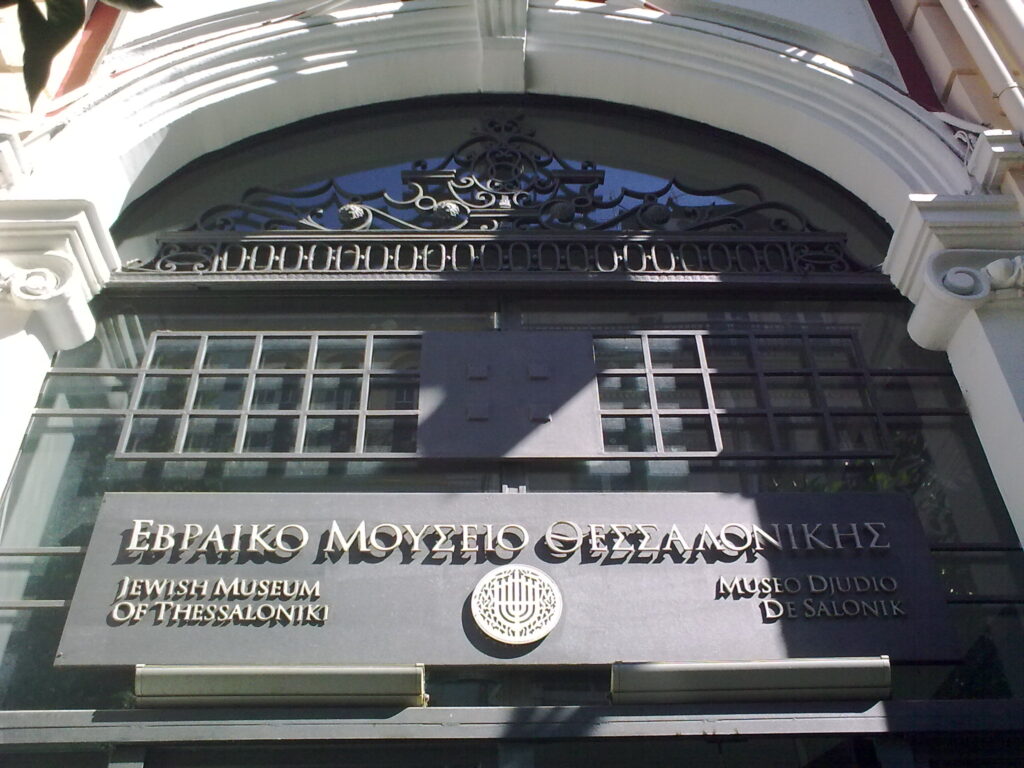
Jewish Museum of Thessaloniki

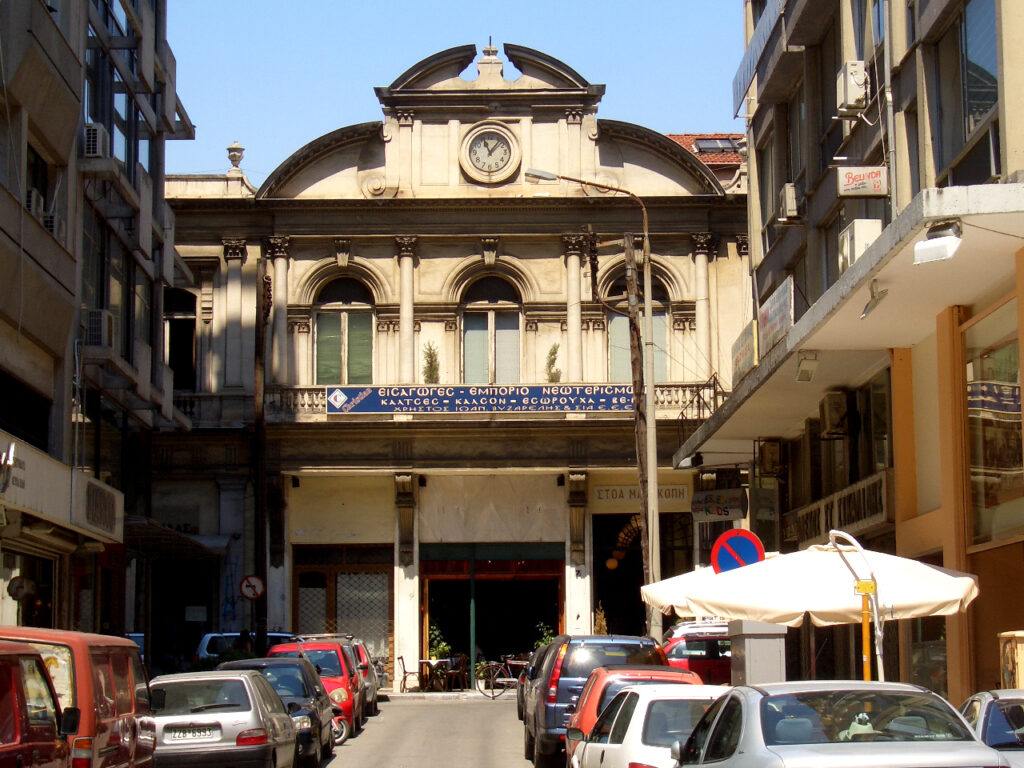
Why it matters: run by the Jewish Community of Thessaloniki since 2001, this museum preserves the memory of a Jewish presence in the city stretching back more than 2,000 years – and of the Holocaust that nearly erased it, with the names of 27,000 identified victims inscribed in marble in the Victims Room. Collections include tombstones from the city’s destroyed Jewish cemetery and the only surviving collection of prewar family photographs. Give it an hour, then wander over to nearby Modiano Market, once the heart of Jewish commercial life. Mind the unusual hours: closed Saturdays, but open Wednesday evenings.

Mikri Frida

Why it matters: founded in 2016, this five-member social cooperative (KoinSEP) runs its tiny cafe-gallery as a community project – proceeds fund free exhibitions, workshops and cultural events, with a side mission of showcasing the Byzantine church of Acheiropoietos right next door. The space is small, colourful and firmly non-smoking – still a rarity in Greece – with local art rotating on the walls. Order a coffee and a slice of the homemade cheesecake, and check the calendar: there is usually an exhibition or presentation on. Note it closes mid-afternoon on Sundays.

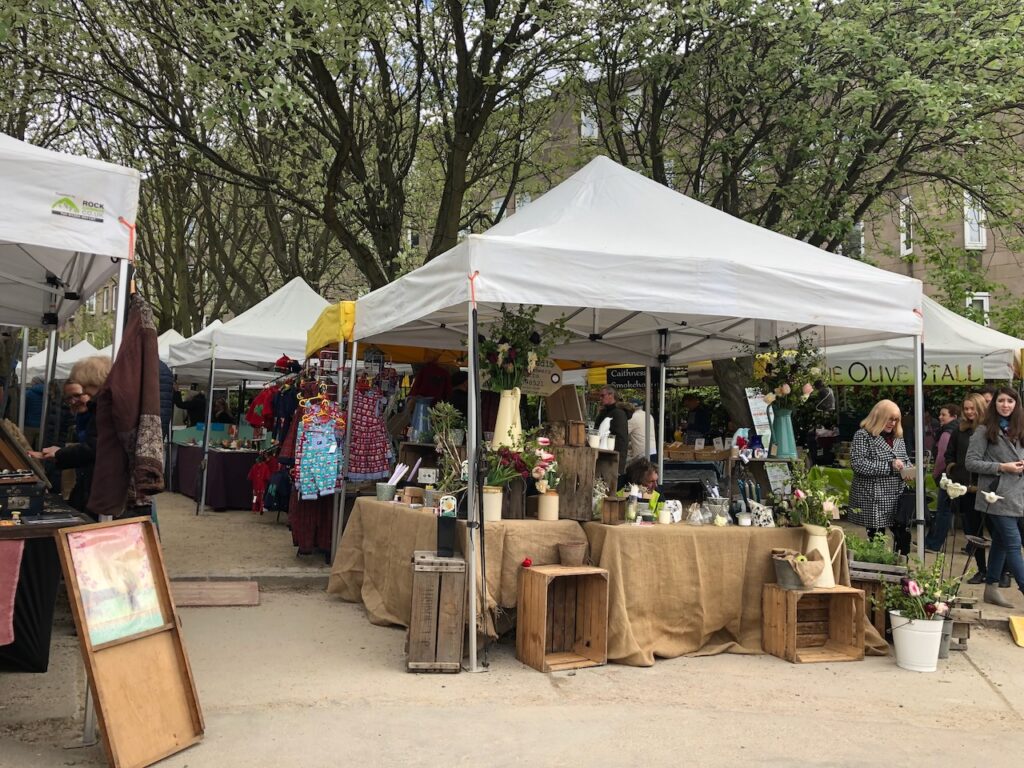
Stockbridge Market

Stockbridge’s Sunday institution — a compact market beside the Water of Leith packed with artisan bread, Scottish cheeses, and some of the best street food in Edinburgh, from hog roast rolls to giant pans of paella. It runs every Sunday, 10am to 4pm, rain or shine. Arrive before noon — the popular stalls sell out and the lanes get packed — then walk it off along the river toward Dean Village.

sp_4193

Aparelha Luzia

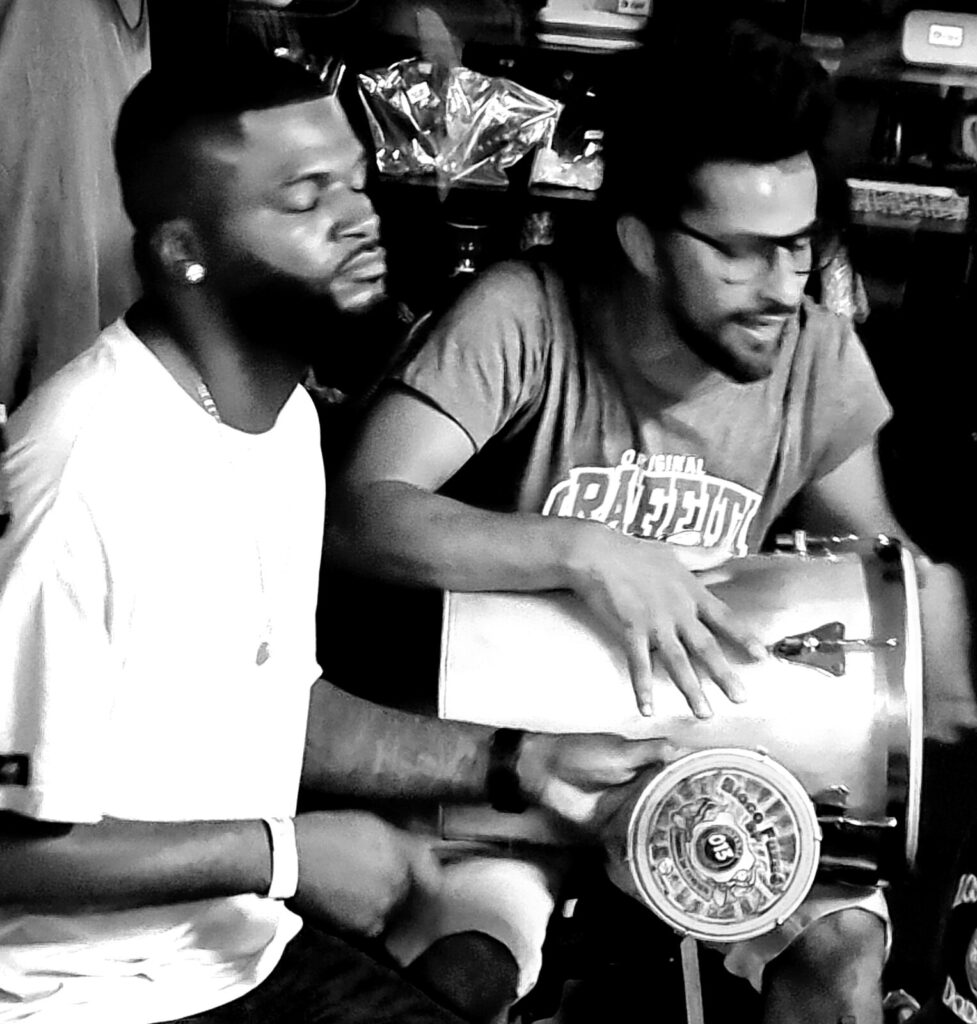
Part bar, part gallery, part political salon, Aparelha Luzia is Sao Paulo’s self-declared urban quilombo – a gathering space for Black art, music and thought in a converted warehouse in Campos Eliseos. Why it matters: founded in 2016 by educator and artist Erica Malunguinho, who went on to become Sao Paulo’s first Black trans state deputy, it functions as a modern-day quilombo (a community of Black resistance) hosting parties, exhibitions, courses and debates that center Afro-Brazilian culture. Expect live samba, DJs and rotating art on weekend nights, plus strong drinks and home-style Brazilian food. Check their Instagram for the week’s program – it generally runs Thursday to Sunday evenings – and go with cash for the bar.

sp_4192

Instituto Chao

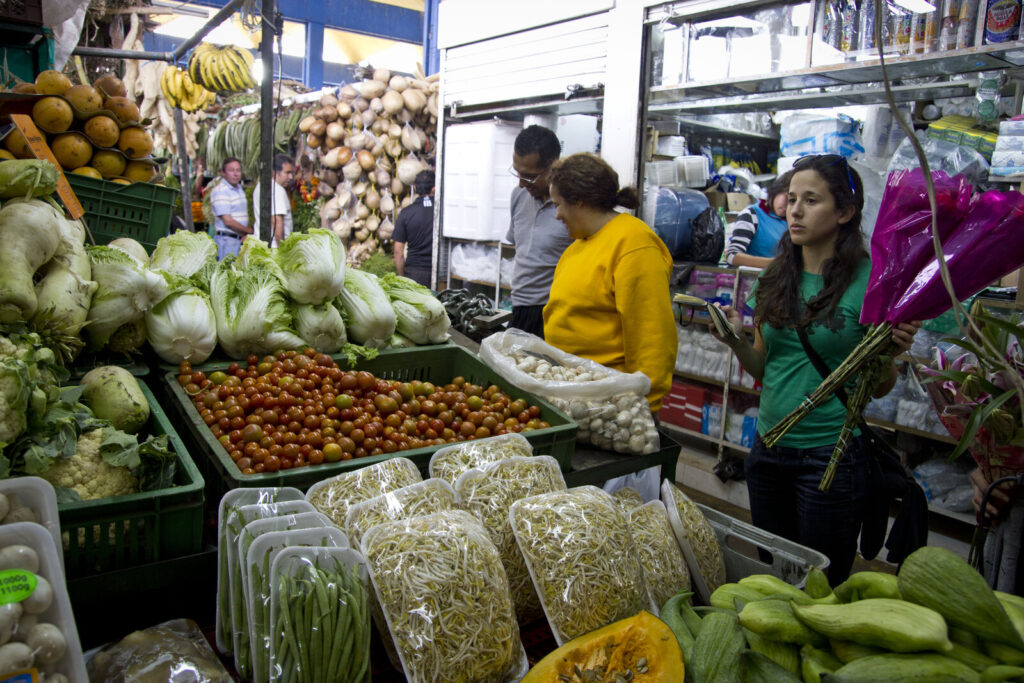
This nonprofit grocery in Vila Madalena sells organic produce, grains, bread and cheese at cost price – exactly what it pays small farmers, with zero markup. Why it matters: founded in 2015 as an associacao, Instituto Chao makes organic food affordable while paying fair prices to agroecological producers, and it runs on radical transparency – all its expenses are posted by the register and shoppers decide whether to add a voluntary 30% contribution to keep it alive. Browse crates of whatever is in season, grab fresh sourdough and artisanal cheeses, and watch how locals treat the shop as a neighborhood hub as much as a market. Go Tuesday to Saturday in the morning for the best selection, and bring your own bags.

sp_4191

Cozinha Ocupacao 9 de Julho

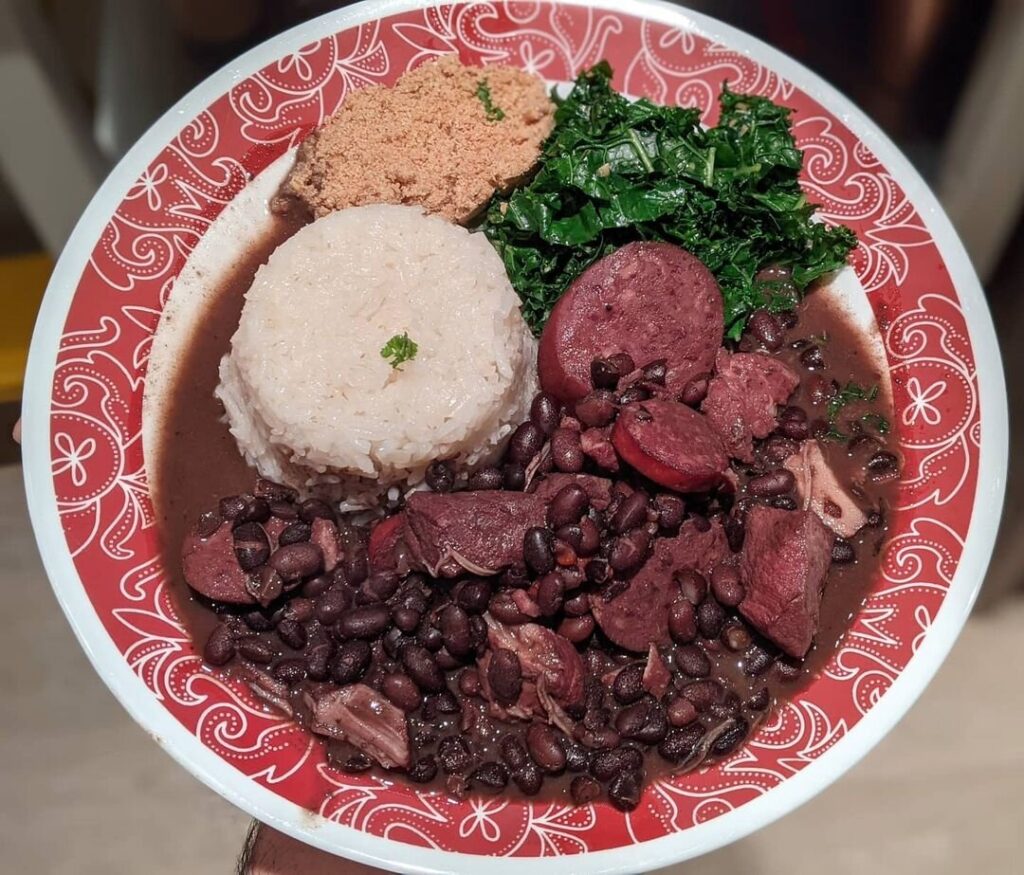
Every Sunday, the ground floor of a nine-story occupied building in Bela Vista turns into one of Sao Paulo’s most talked-about lunch spots, where residents of the MSTC housing movement cook a generous Brazilian buffet open to everyone. Why it matters: the kitchen is run by the Movimento Sem Teto do Centro, a homeless workers’ movement led by activist Carmen Silva, and every meal funds the occupation and keeps the housing struggle visible – the project even featured in the Sao Paulo Bienal. Come hungry for feijoada-style home cooking, stay for the art on the walls and conversations with residents who will happily explain the movement. Lunch runs Sundays 12:30-4:30pm with no fixed price – pay what you can, and arrive early because tables fill fast.

Scroll to Top