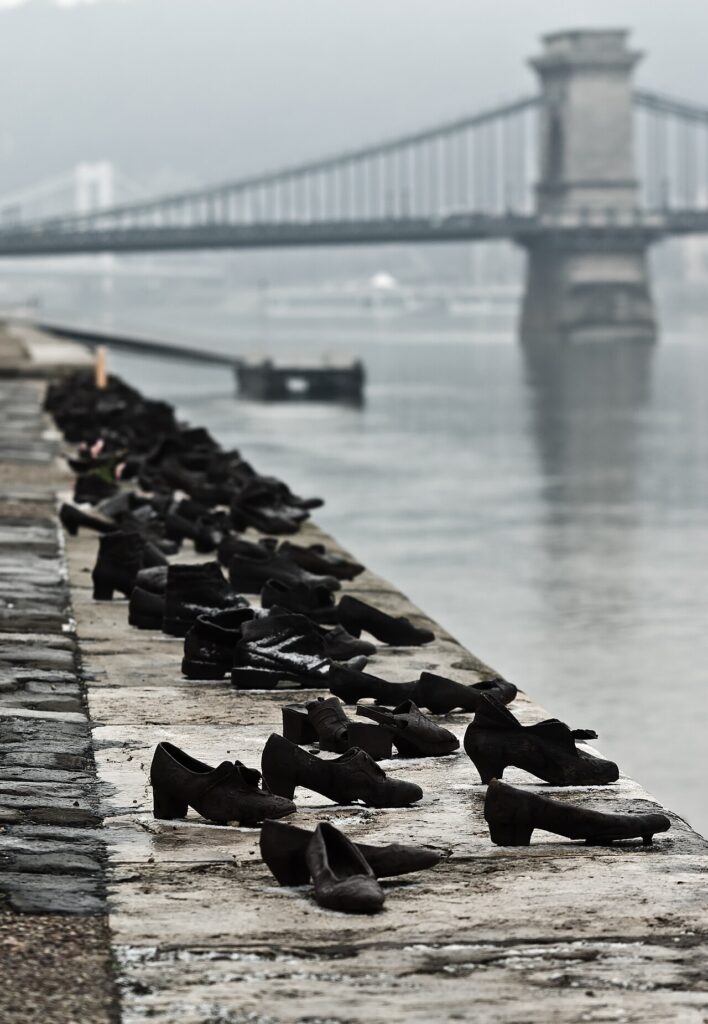
Shoes on the Danube Bank
A simple, devastating memorial on the river promenade: sixty pairs of iron shoes marking the spot where Jews were shot into the Danube in 1944-45. Quiet, powerful and unmissable; pause here with respect.
A simple, devastating memorial on the river promenade: sixty pairs of iron shoes marking the spot where Jews were shot into the Danube in 1944-45. Quiet, powerful and unmissable; pause here with respect.
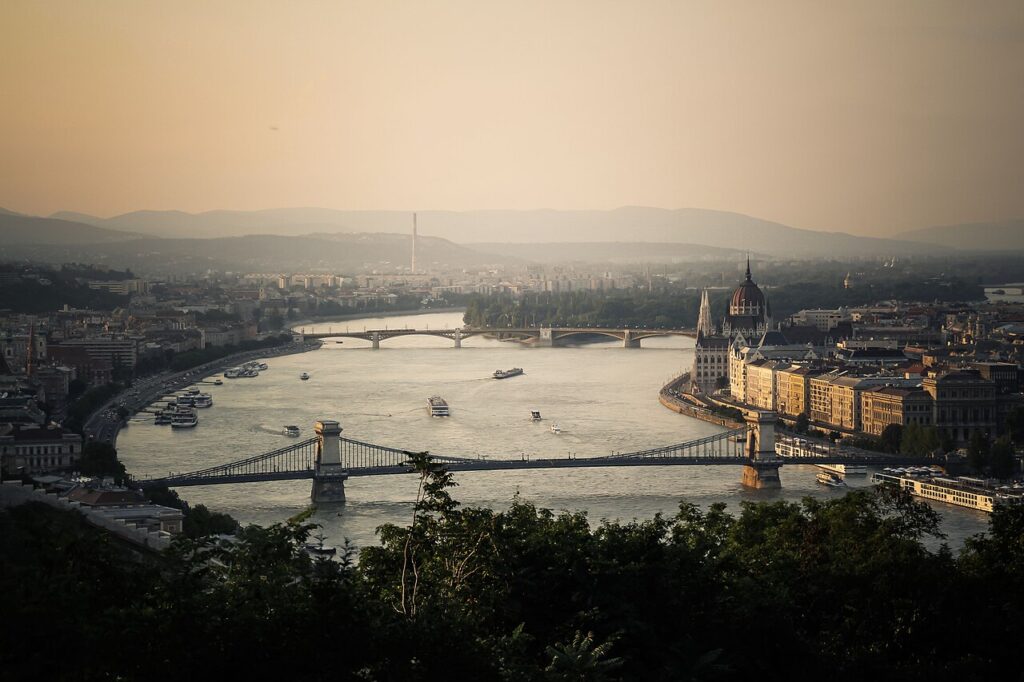
A rocky hill rising above the Buda bank, topped by the Liberty Statue and the Citadella, with arguably the finest panorama in Budapest, taking in both banks, the bridges and Parliament. A short, rewarding climb, best at sunset.
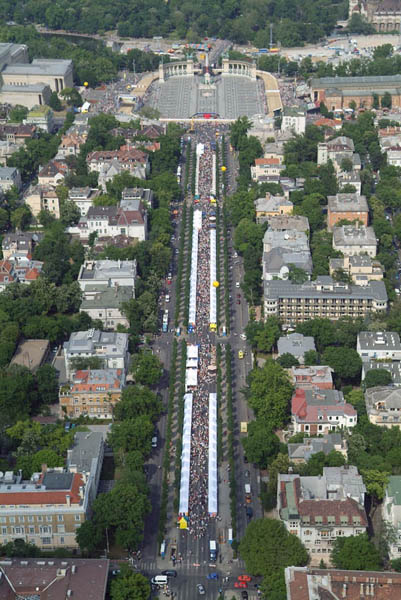
Budapest’s grand, UNESCO-listed boulevard, lined with belle-epoque mansions, cafes, the Opera House and luxury shops, running arrow-straight from the centre to Heroes’ Square. Stroll it, or ride the little historic M1 metro beneath.
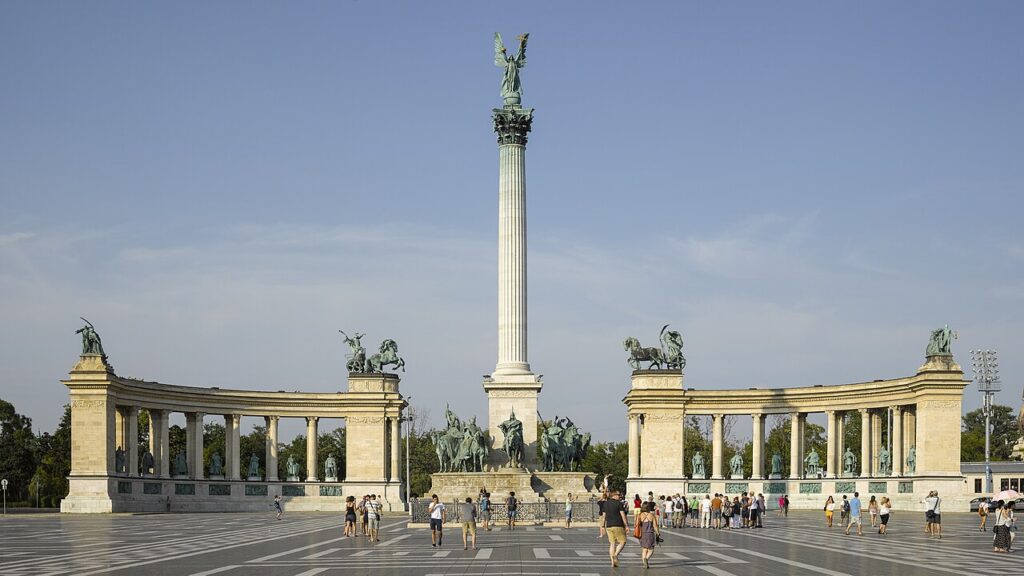
A vast ceremonial square at the end of Andrassy, ringed by a colonnade of Hungary’s founding chieftains and kings, with the Museum of Fine Arts alongside and City Park behind. Grand and photogenic.
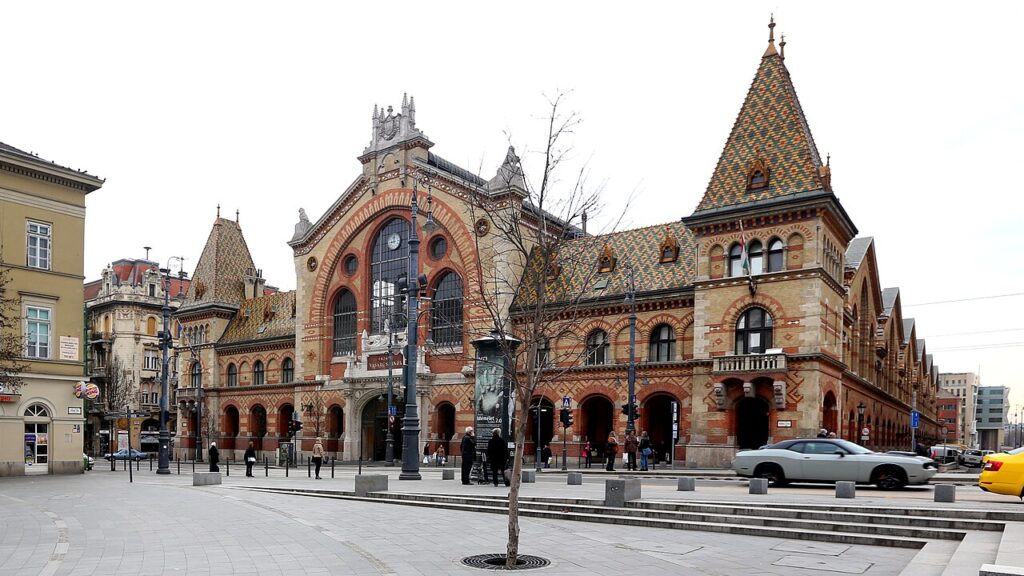
Budapest’s cathedral-like central market hall, three storeys of paprika, salami, produce and souvenirs under a colourful Zsolnay-tiled roof. Head upstairs for a langos (fried dough) and people-watching over the crowds.
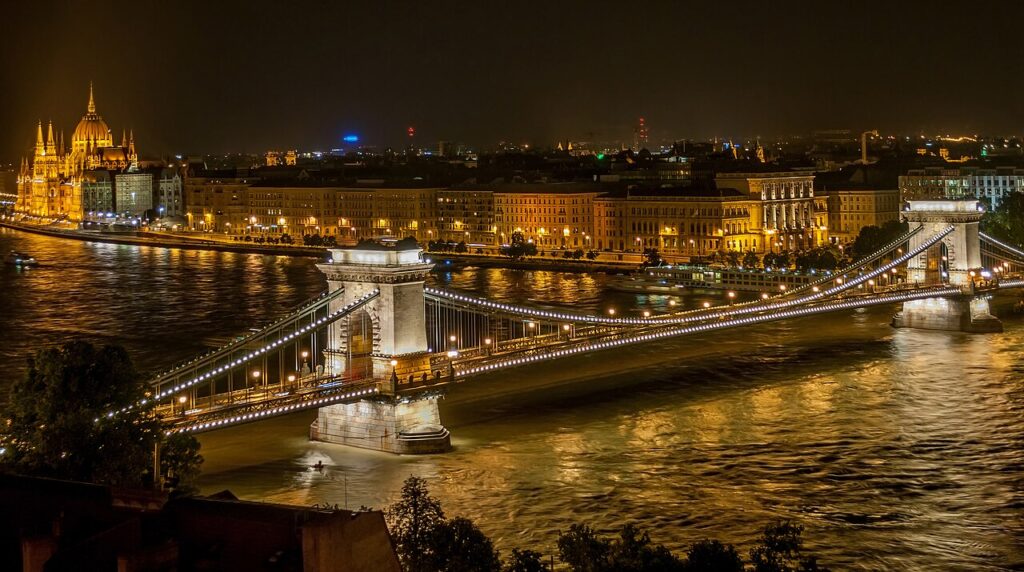
The elegant lion-guarded suspension bridge that first joined Buda and Pest in 1849, and still the city’s defining landmark. Walk across for the classic view of Parliament and the castle, especially magical after dark.
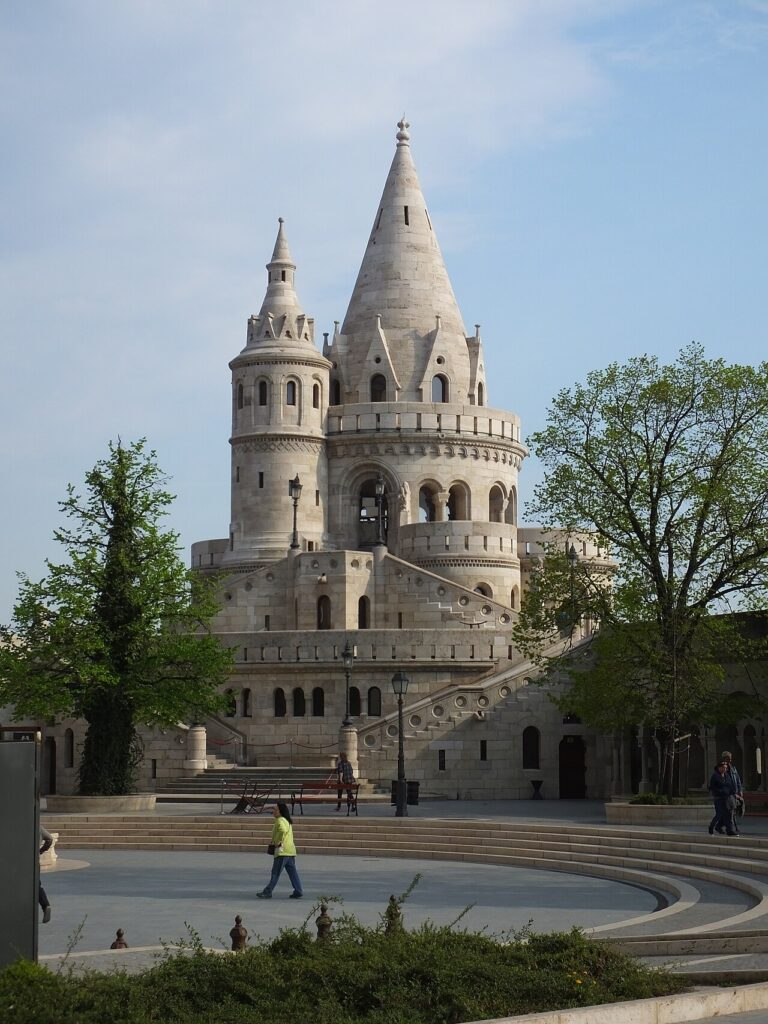
A whimsical white neo-Romanesque terrace of turrets and arches on Castle Hill, framing a postcard view over the Danube to Parliament. The lower terraces are free; a small fee for the very top at busy times. Come at dawn for the light and the quiet.
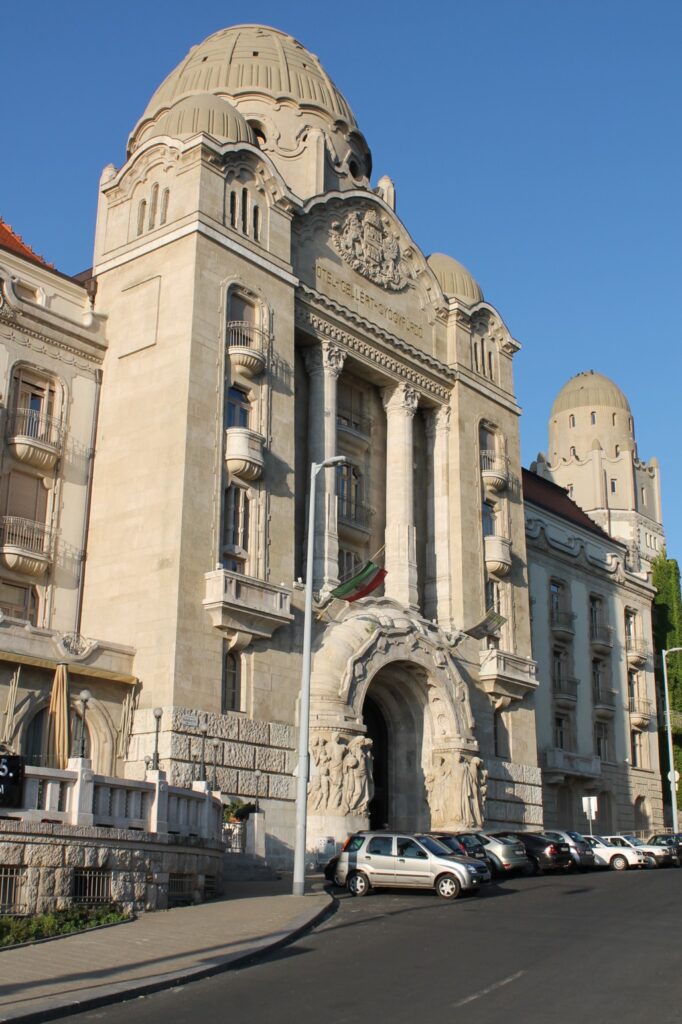
A gorgeous Art Nouveau bath complex of Zsolnay tiles, mosaics and stained glass in the historic Gellert Hotel. More elegant and a touch calmer than Szechenyi, with a lovely main hall and outdoor pools.
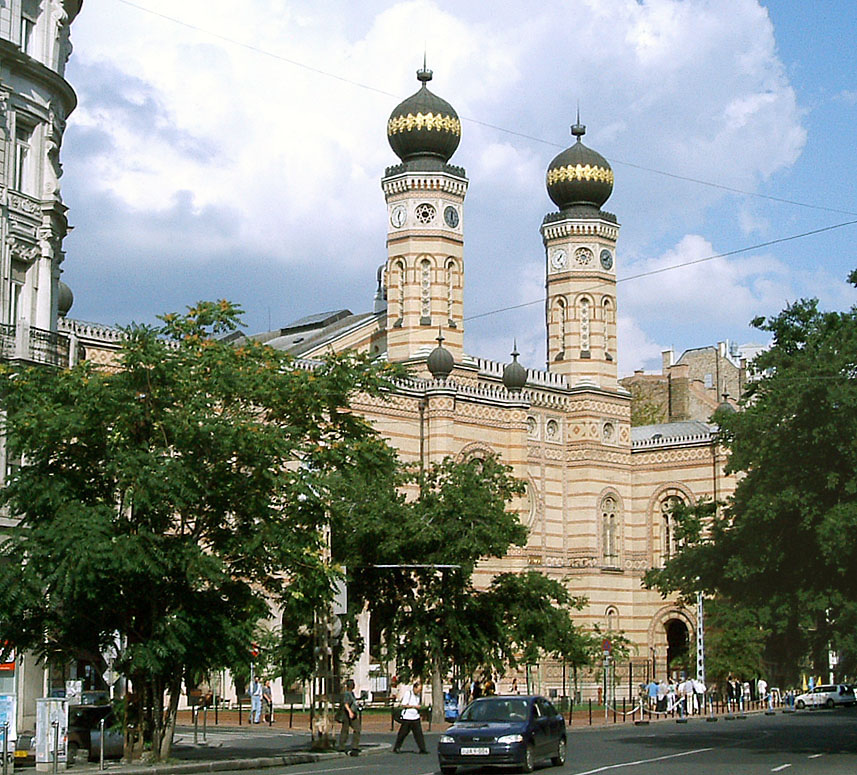
The largest synagogue in Europe and the heart of the old Jewish Quarter, a Moorish-Revival masterpiece with a poignant memorial garden and the silver Tree of Life. A ticket includes the museum and cemetery; visit thoughtfully.
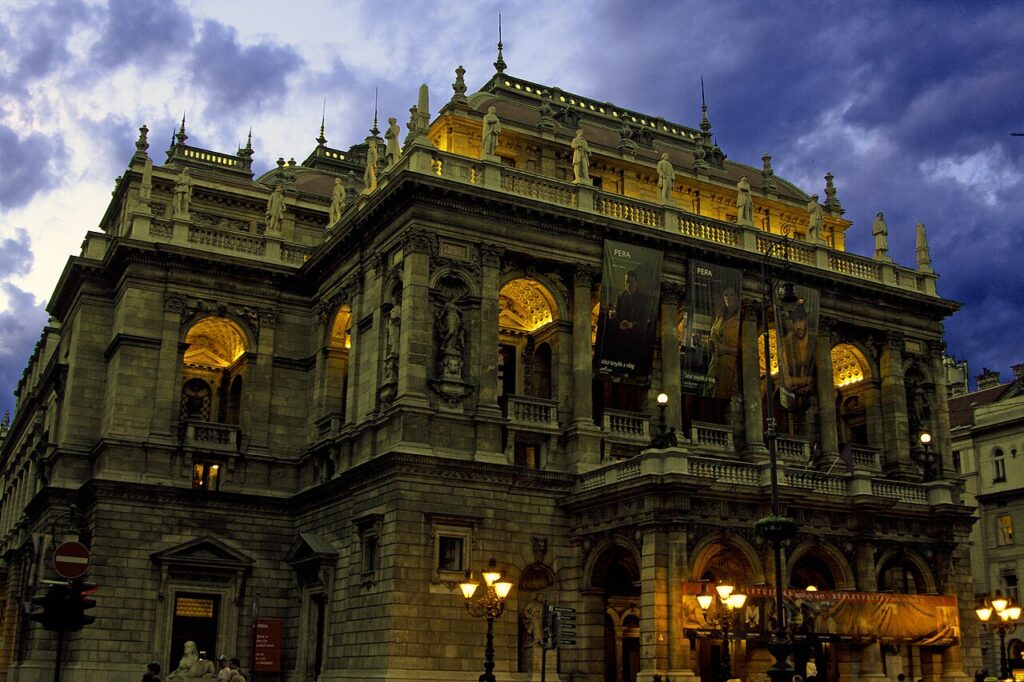
A jewel of a neo-Renaissance opera house on Andrassy, dripping with gold, frescoes and chandeliers. Take the guided tour by day, or better still catch a performance for a taste of Budapest’s grand cultural life at bargain prices.