Like A Local Guide

Listings

URIHO Gallery Shop

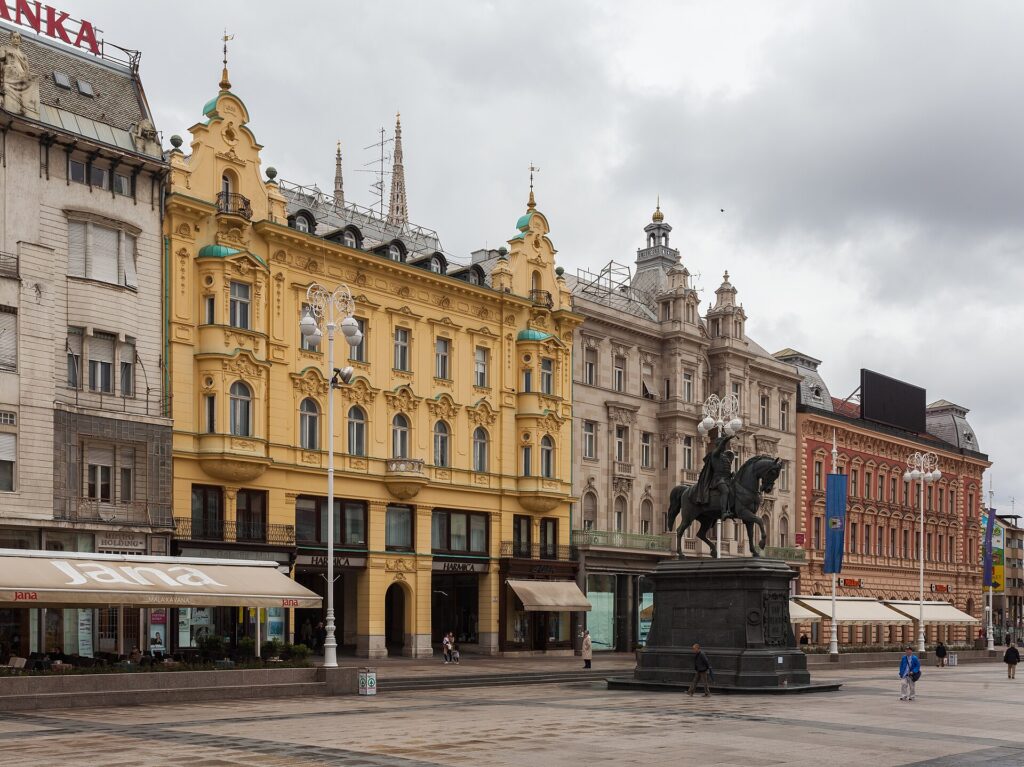
Why it matters: URIHO is Zagreb’s institution for the rehabilitation and employment of people with disabilities – around 500 employees, about 60 percent of them disabled – and this gallery shop on Gajeva is where their handmade work is sold. Skip the airport-souvenir stalls and pick up the Purger & Purgerica line of Zagreb-motif mugs, tote bags and hand-painted ceramics, or one of the Braille-embossed T-shirts and backpacks you won’t find anywhere else. Everything is made in URIHO’s own Zagreb workshops, so your money goes straight back into the program. Tip: it’s two minutes from Ban Jelačić Square but closes at 13:00 on Saturdays and stays shut on Sundays.
Booksa

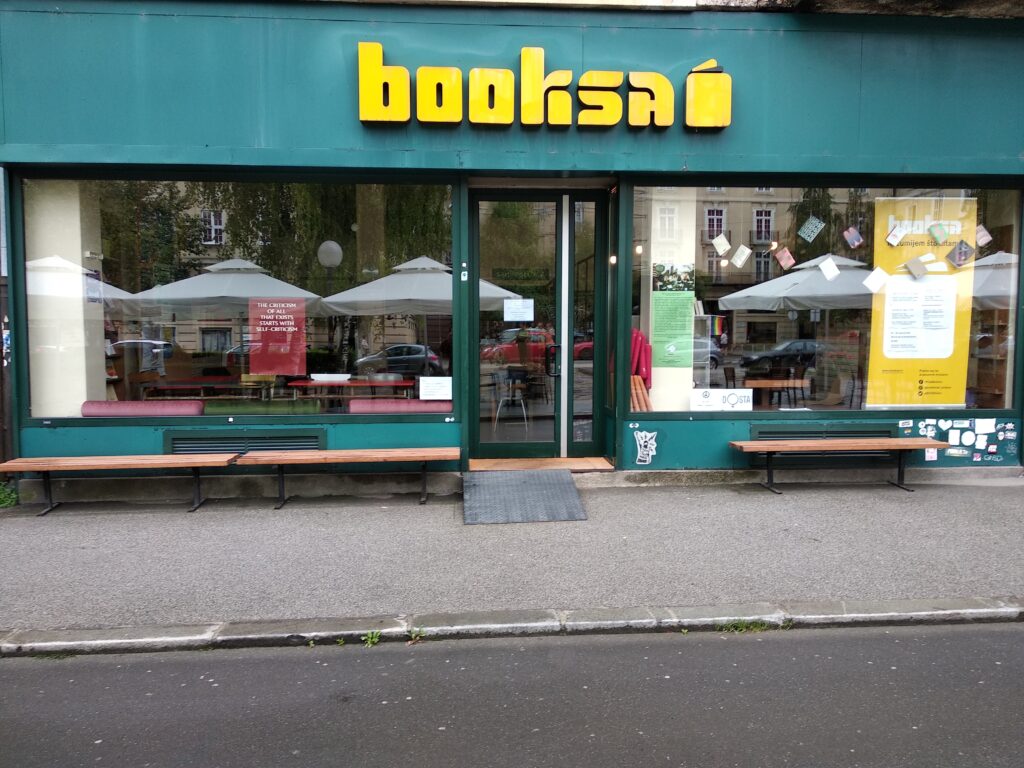
Why it matters: run since 2004 by the nonprofit Kulturtreger association, Booksa is Zagreb’s living-room literary club – over 18,000 members and 500-plus visiting writers, sustained by a symbolic annual membership of about 2 euro that you pay at the bar. Grab a coffee, browse the shelves of books and magazines, and you’re suddenly part of the city’s cultural scene rather than watching it from outside. Readings, quizzes and concerts happen most weeks, many with English-friendly crowds. Tip: it’s closed Mondays, and the quiet garden out back is the locals’ choice on warm afternoons.

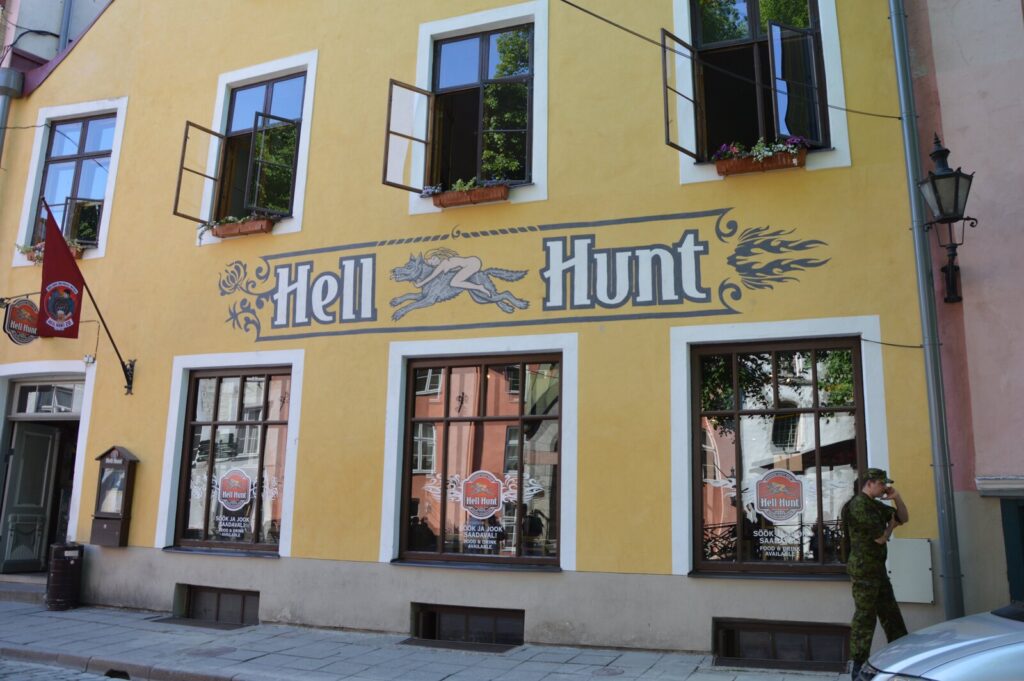
Yellow facade of Hell Hunt pub with its sign in Tallinn old town

Hell Hunt

Hell Hunt (‘the gentle wolf’) opened in 1993, making it Estonia’s oldest pub, and it’s still where Old Town locals actually drink. The house light and dark draughts are the go-to order, with 60-odd other beers behind the bar if you want to roam. In summer grab a spot on the terrace across the street in the courtyard. Tip: it fills up fast on weekend evenings — come before 8pm for a table.

Conviva im Blauen Haus

Why it matters: inside the Münchner Kammerspiele theatre, Conviva is an inclusive restaurant run by the Munich cooperative cba, where a large share of the team are people with disabilities working front and center – the point is working on equal terms, not charity. The alpine-Mediterranean kitchen changes daily, sourced from regional suppliers, and the pre-theatre dinner menus pair easily with a Kammerspiele show. The whole place is wheelchair accessible. Note the annual summer break from late July to mid-September.

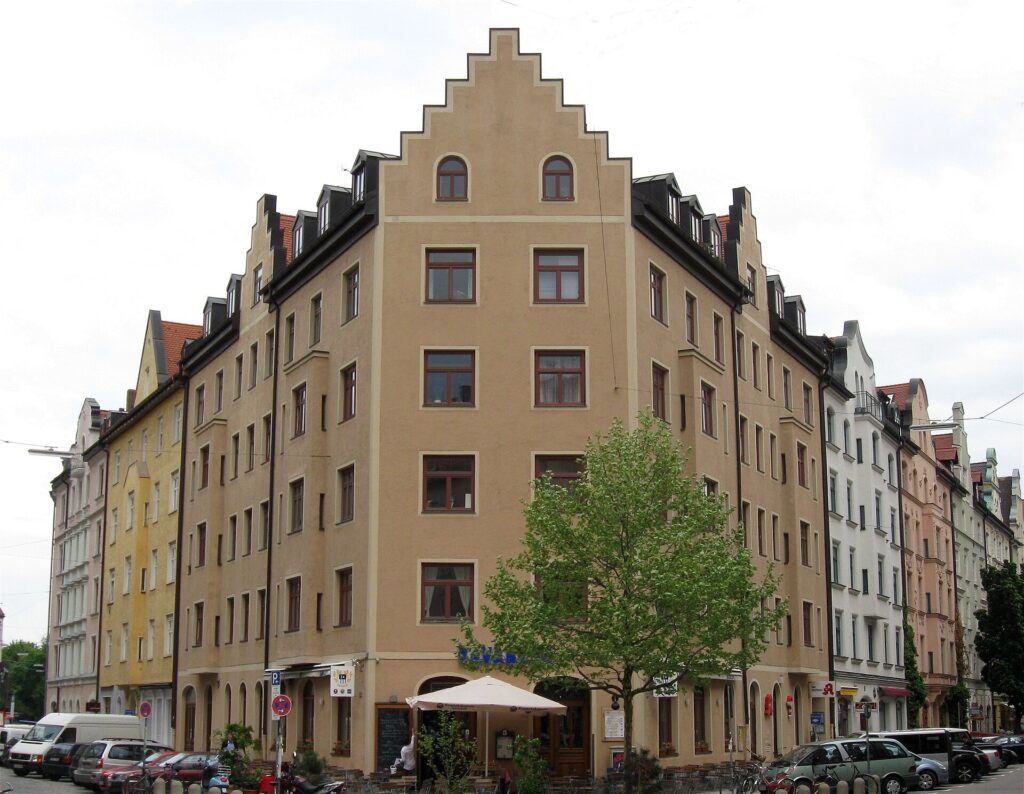
Roecklplatz

Why it matters: since 2008 this nonprofit training restaurant has given young people from difficult life circumstances – including at least one apprenticeship reserved for young refugees – a full chef or service education with social workers alongside, earning it the Federal Cross of Merit in 2010 and the Stefan Schörghuber Prize in 2025. The food stands on its own: a seasonal menu served in a handsome corner room in the Dreimühlenviertel, a short walk from the Isar. Book ahead and go for the changing multi-course menu. Dinner only, Monday to Saturday from 5:30pm.

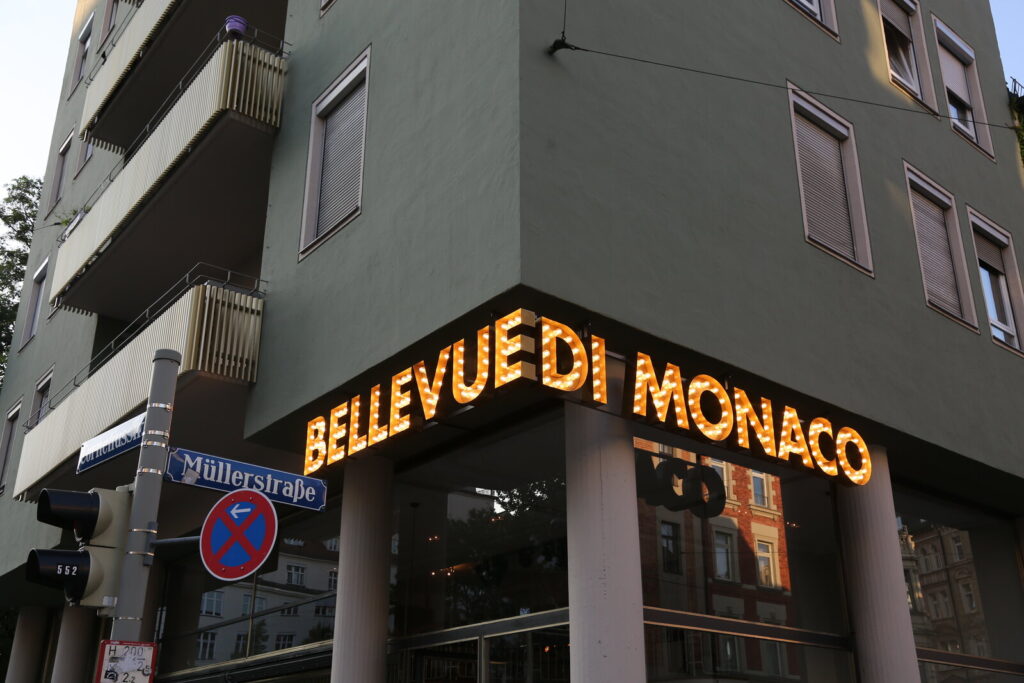
Bellevue di Monaco

Bellevue di Monaco

Why it matters: run as a social cooperative, Bellevue di Monaco houses more than 40 refugees in its buildings on Müllerstrasse and runs its street-level cafe together with immigrants and refugees – the menu hops across the cooks’ home countries. It doubles as one of the Glockenbachviertel’s liveliest cultural spots, with panel talks, concerts, and open workshops from sewing to bike repair. Grab a coffee or a rotating international lunch plate and check the events board on your way in. Closed Mondays; Sundays it wraps up at 4pm.

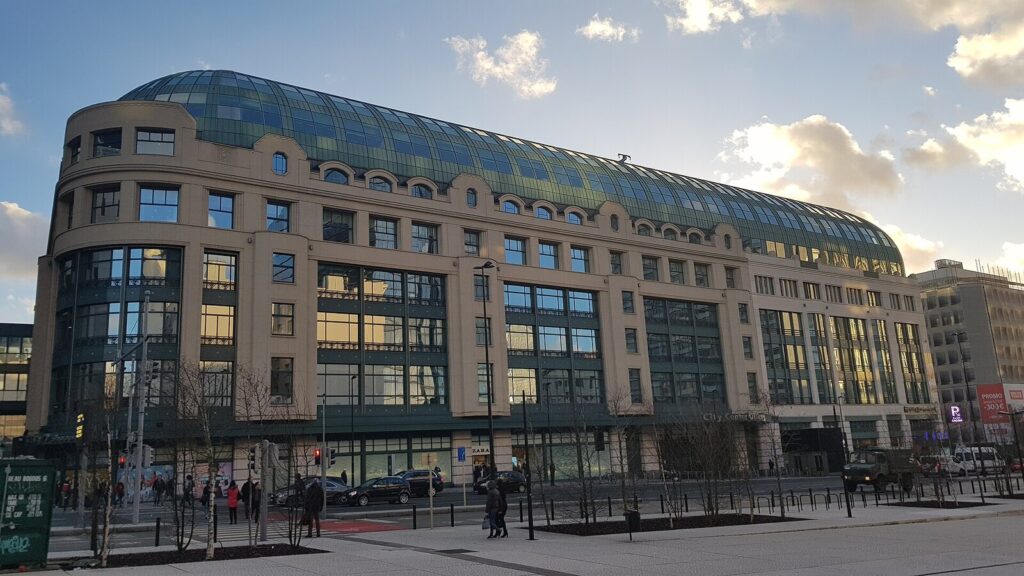
City 2 Shopping Mall

City 2 is the big indoor mall anchoring Rue Neuve, Brussels’ main pedestrian shopping street, with around 100 shops stacked over several floors. The huge Fnac on the top floor is the local go-to for books, tech and concert tickets, while the EATS! food court in the basement packs nearly 30 food stalls into one level. Practical tip: Rogier metro station connects directly into the mall, so you can arrive without stepping outside — welcome on a rainy Brussels day.

ExAequo Bottega del Mondo

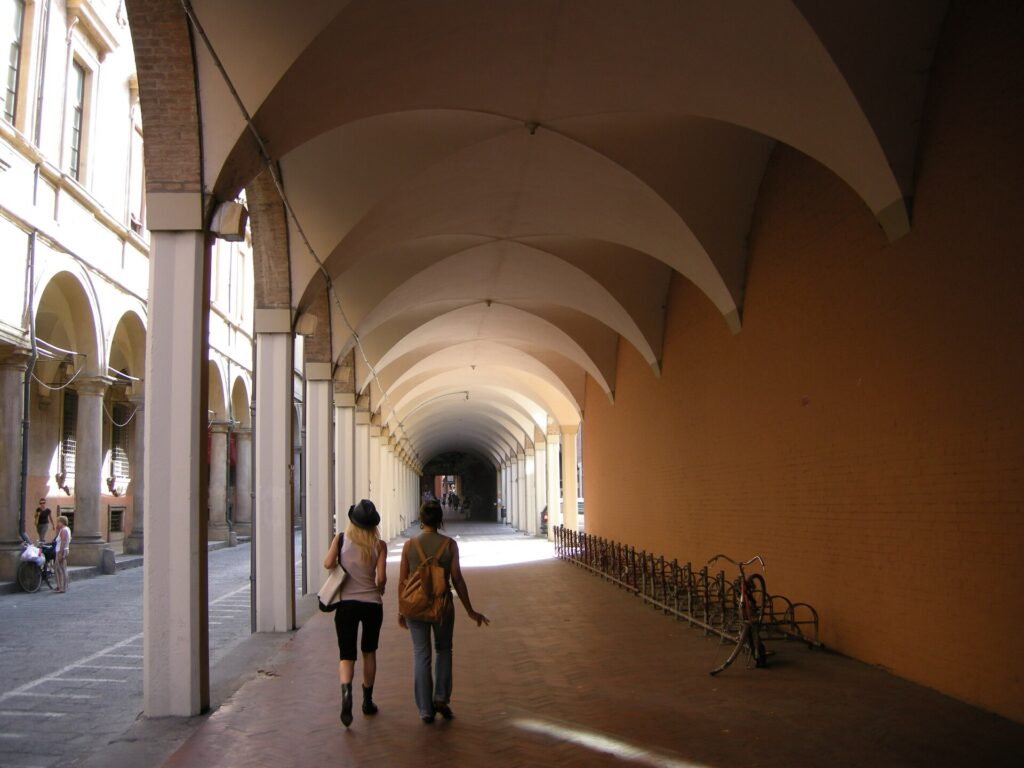
Why it matters: run by the ExAequo social cooperative since 1993, this is Bologna’s original fair-trade shop, stocking food, crafts and textiles from producer cooperatives that are paid fair prices. The cooperative also runs education and awareness projects on ethical consumption across the city. It’s two minutes from the Two Towers and the smart stop for souvenirs that do some good – think artisan chocolate, coffee and handmade gifts. Ask the staff about the producers; every product has a story.

Le Serre dei Giardini Margherita

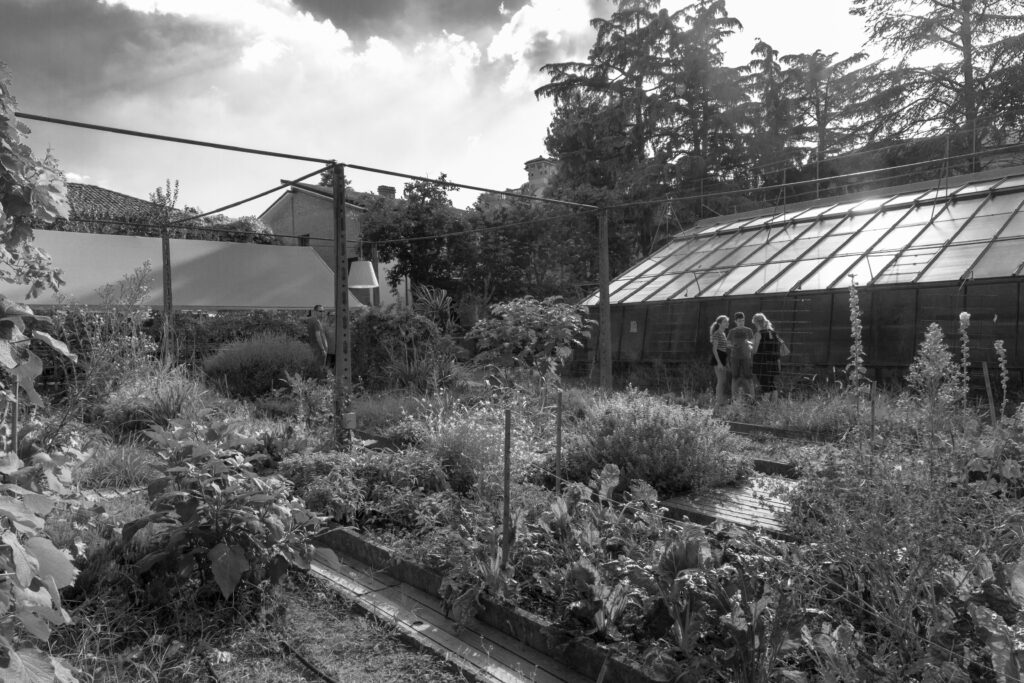
Why it matters: Bologna’s abandoned municipal greenhouses in the Giardini Margherita were regenerated by the Kilowatt work cooperative into a community hub – coworking, a kids’ program, a community-run garden and the Serra Madre cultural space, opened in 2024, all run as a social enterprise. For visitors it’s the loveliest pit stop in the city’s biggest park: grab a drink at the kiosk, wander the garden, or catch an open-air concert or talk during the KW Summer festival. Come on a warm evening, when half the neighborhood shows up.

Bar Senza Nome

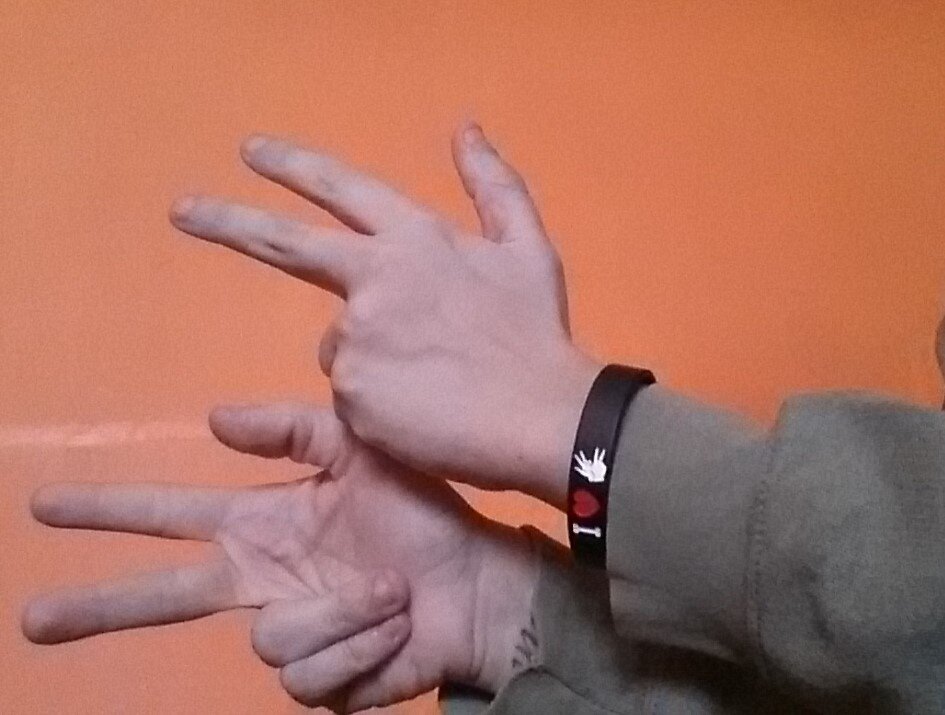
Why it matters: opened in 2012 by Alfonso Marrazzo and Sara Longhi, this is Italy’s first bar owned and run by deaf people, and Italian sign language is the house language. Wall charts teach you the LIS signs for your drink, or you can order by pointing to the paper slips at the bar – no one is left out. It’s also simply a great Via Belvedere hangout: cheap spritzes, art exhibitions, book presentations and DJ sets. Come at aperitivo hour and learn to sign ‘grazie’ before you leave.

Scroll to Top