Like A Local Guide

Listings

Frangasqueira Nacional

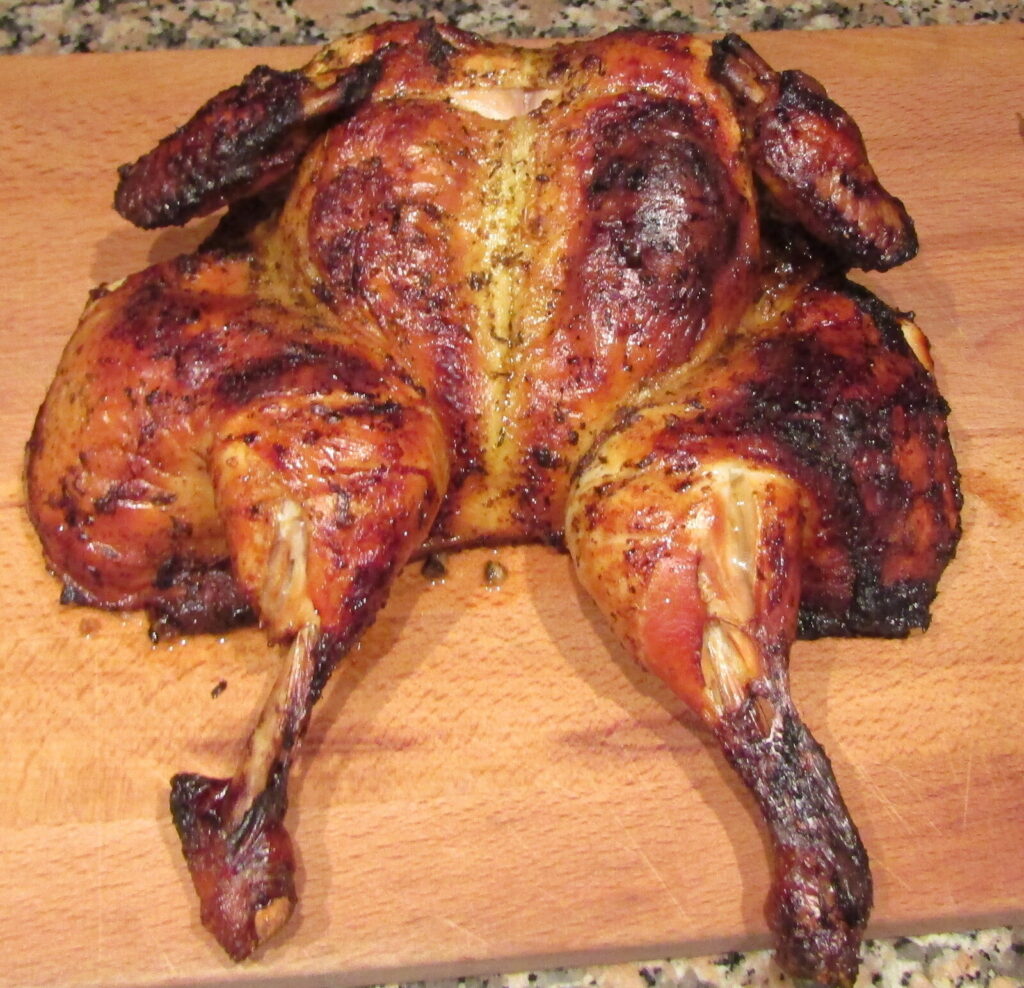
Frangasqueira Nacional is a tiny Príncipe Real grill that locals treat as the benchmark for takeaway frango: flame-grilled piri-piri chicken, plus ribs and pork sausage with garlic rice and homemade crisps. There are barely three tables, so most people carry dinner home wrapped in foil. It is cash only and opens Tuesday to Sunday from 6pm to 10pm — arrive right at opening, because the queue builds fast.
Popocafepetl

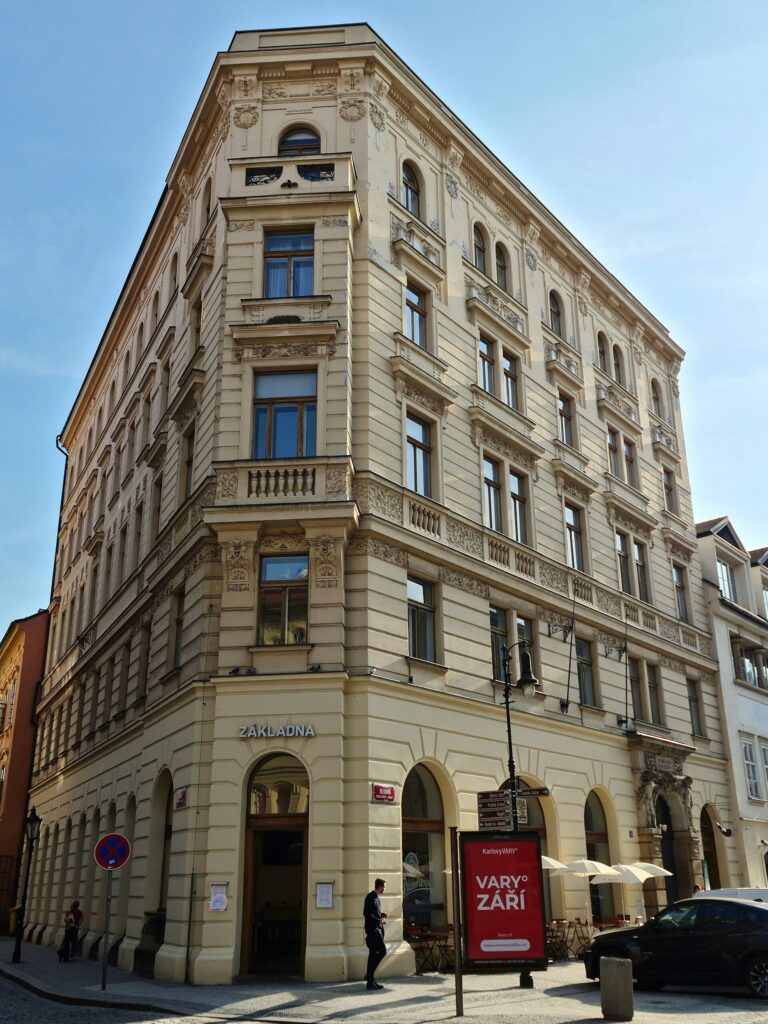
A Prague institution since the 1990s, Popocafepetl is a small family of cafe-bars and music clubs where students and young locals pile in for some of the cheapest drinks in the centre. The Michalska branch in Old Town leans cocktail bar, while the Melantrichova and Ujezd spots add live music and a dance floor. Doors run daily 6pm to 2am; if one branch is packed, just hop to the next one a few streets over.

Fendika Cultural Center

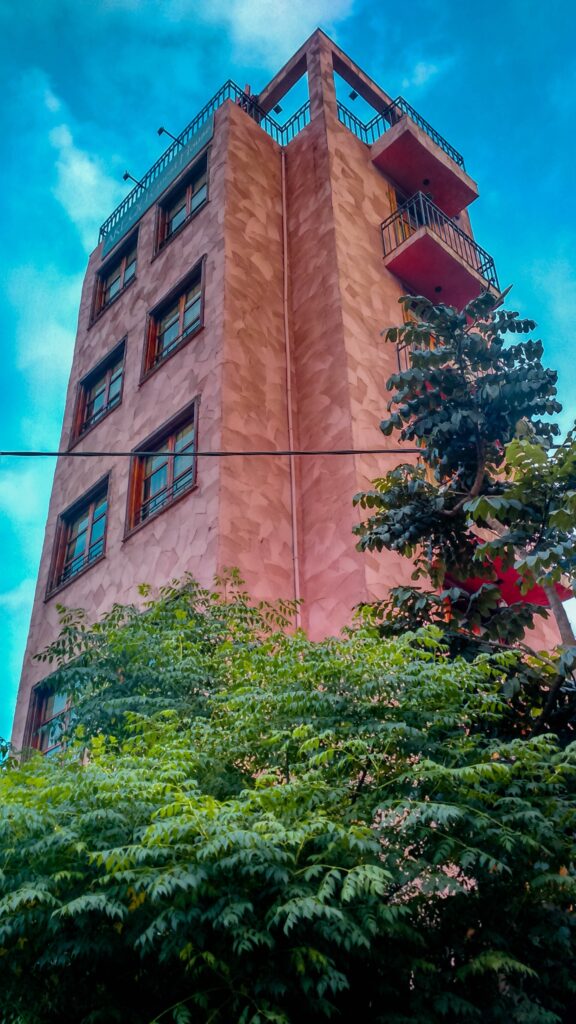
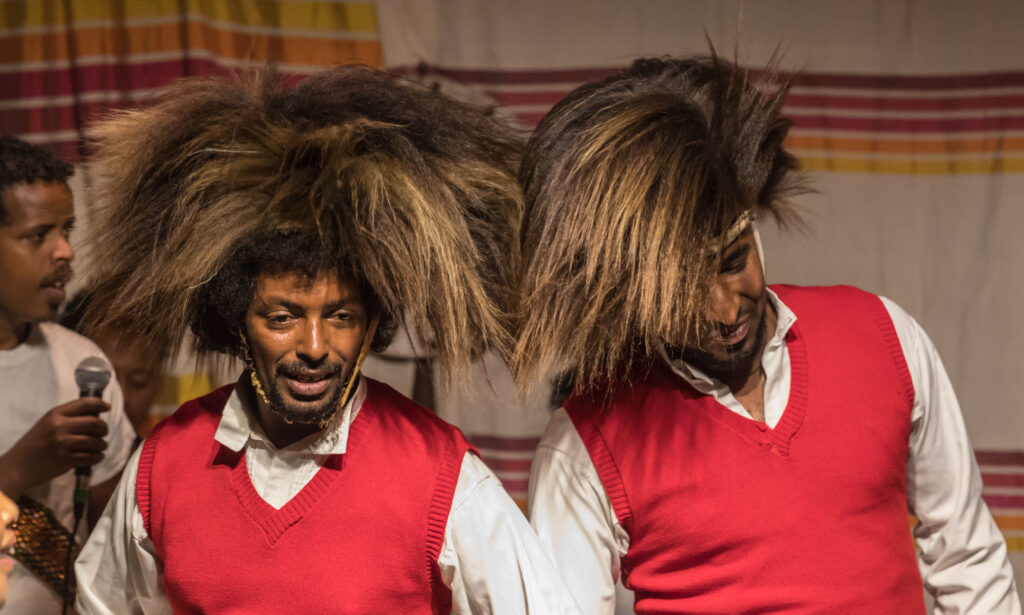
Why it matters: dancer Melaku Belay turned this legendary azmari bet into a cultural institution that pays traditional musicians and dancers monthly salaries instead of leaving them to dance for tips – a first when he took over in 2008. After its Kazanchis compound of three decades was demolished in October 2024 for redevelopment, Fendika kept the music going at the Hyatt Regency while the new Grand Fendika center takes shape. Expect jaw-dropping eskista shoulder dancing, azmari improvisation and the Ethiocolor band, with tej (honey wine) and Ethiopian home cooking on the side. Check Fendika’s social channels for the current performance schedule before heading out.

Salem’s Ethiopia

Why it matters: designer Salem Kassahun’s woman-owned fair-trade compound creates jobs for Ethiopian artisan women and men, commits to fair returns for its employees and co-op partners, and sends senior craftspeople to train village artisans around Ethiopia – then buys their goods for the shop. It has grown from a few necklaces sold to friends into the city’s go-to destination for quality handmade jewelry, baskets and textiles. Watch weavers, jewelers and basket makers at work on site, then browse for hand-spun cotton scarves, tribal beaded jewelry and regional crosses. A calm, welcoming compound in Bole – far easier browsing than the market scrum.

Sabahar

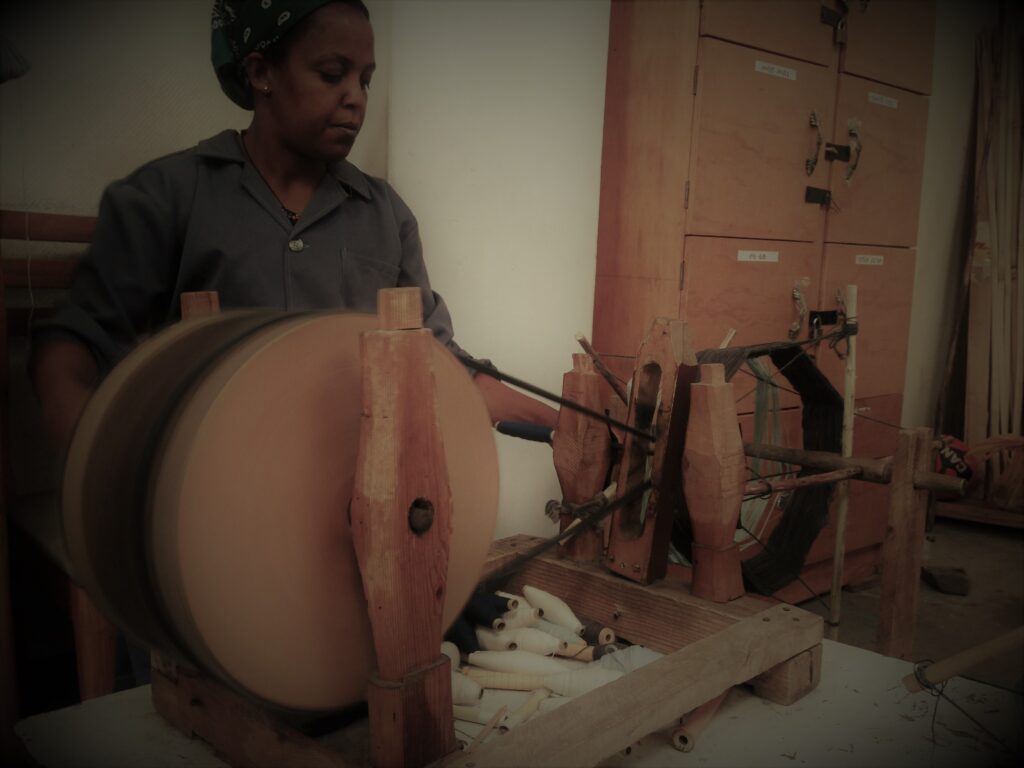
Why it matters: for over 20 years Sabahar has run as a woman-owned, World Fair Trade Organization-certified textile company, providing reliable employment and equitable pay to hundreds of Ethiopian spinners and weavers. At the Mekanisa workshop about 100 artisans handle the whole process on site – silk production, dyeing, spinning and weaving – and free guided tours run Tuesdays and Thursdays at 10am. The bright showroom a minute’s walk away sells handwoven scarves, towels and throws in natural fibers, plus baskets and books from other local social enterprises. Come on a tour day and shop afterwards – local and international cards accepted.

O Forninho Saloio

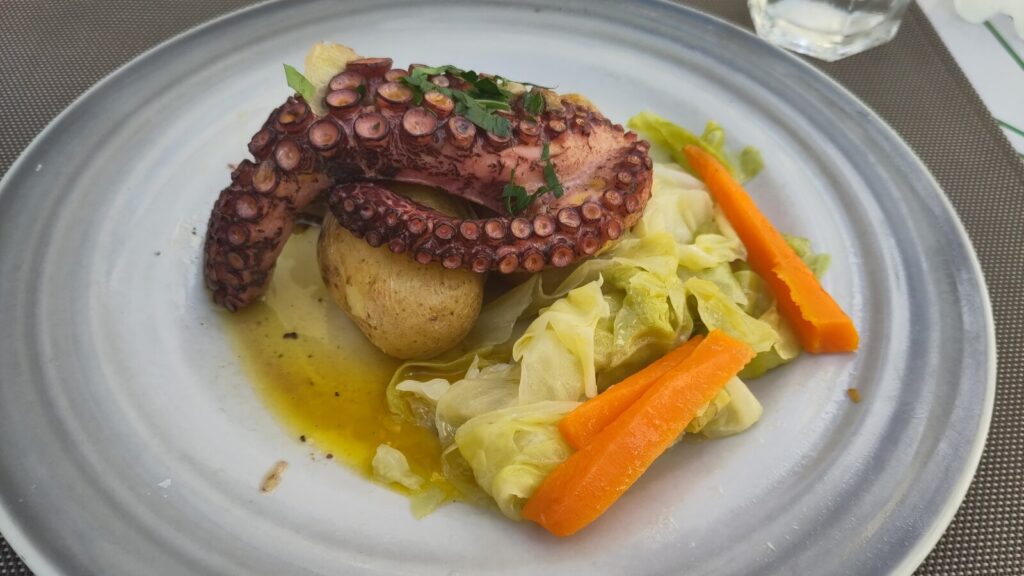
Tucked down a quiet alley off Avenida da Liberdade, Forninho Saloio has been serving home-style Portuguese cooking since 1995 — grilled octopus, charcoal-grilled sea bass and bacalhau com arroz de feijão in portions made for sharing. Prices stay honest despite the big-city address, which is why the lunch crowd is mostly local office workers. The dining room is tiny and fills fast, so book ahead or arrive right at noon.

Il Conventino Caffè Letterario

In the cloister of the former Monastery of Santa Teresa in Oltrarno, this literary cafe doubles as the neighborhood’s living room, surrounded by working artisan studios. Why it matters: run by the nonprofit Associazione Citta Sostenibile, the project rescued the historic Conventino complex and reopened its cloister to the public in 2021 as an inclusive community hub that promotes local artisans and hosts a packed free program of book clubs, poetry readings and concerts. Order from the Menu d’Artista, browse the in-house bookshop, then peek into the Officina Creativa workshops around the courtyard. Come on a weekday evening when locals fill the cloister for readings – it’s one of the few genuinely untouristy cultural spots this close to the center.

Il Villaggio dei Popoli

A short walk from the Sant’Ambrogio market, this fair-trade bottega has been Florence’s home for ethical shopping since 1990. Why it matters: Il Villaggio dei Popoli is a nonprofit cooperative with over 3,000 members that pioneered commercio equo e solidale in Tuscany, guaranteeing fair prices and dignified working conditions to producers across the Global South. The shelves mix single-origin chocolate, Indian teas and Filipino mascobado sugar with handmade crafts, cosmetics and jewelry, all certified through Equo Garantito. Pick up edible souvenirs here instead of at the airport – the cacao and spice section is excellent and your money funds producer communities. Note the midday closure, like most local shops.

Scuola del Cuoio

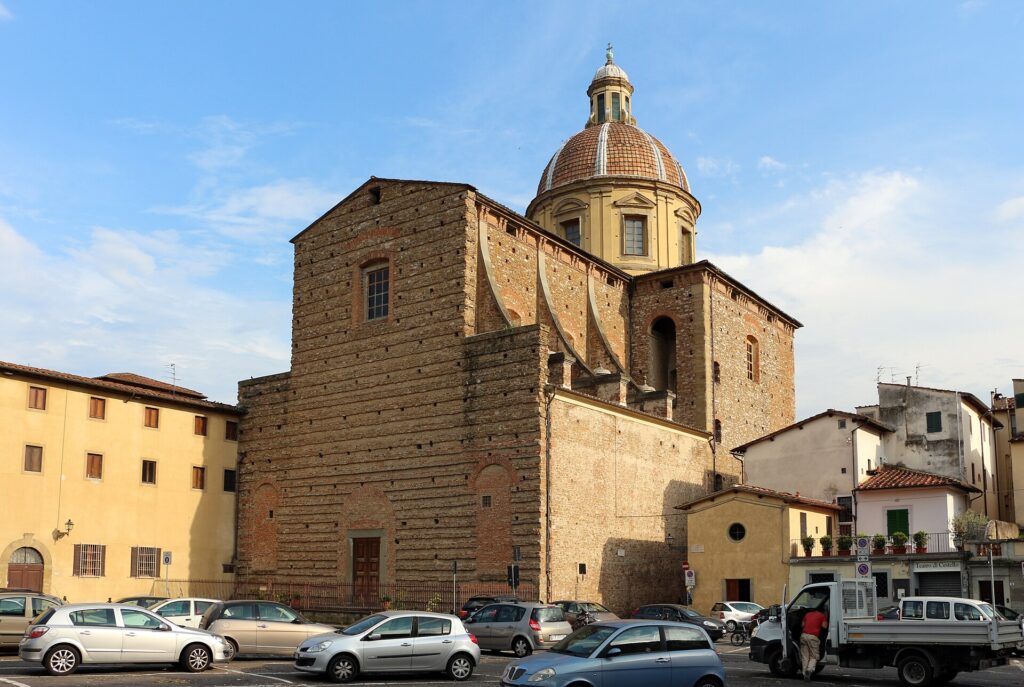
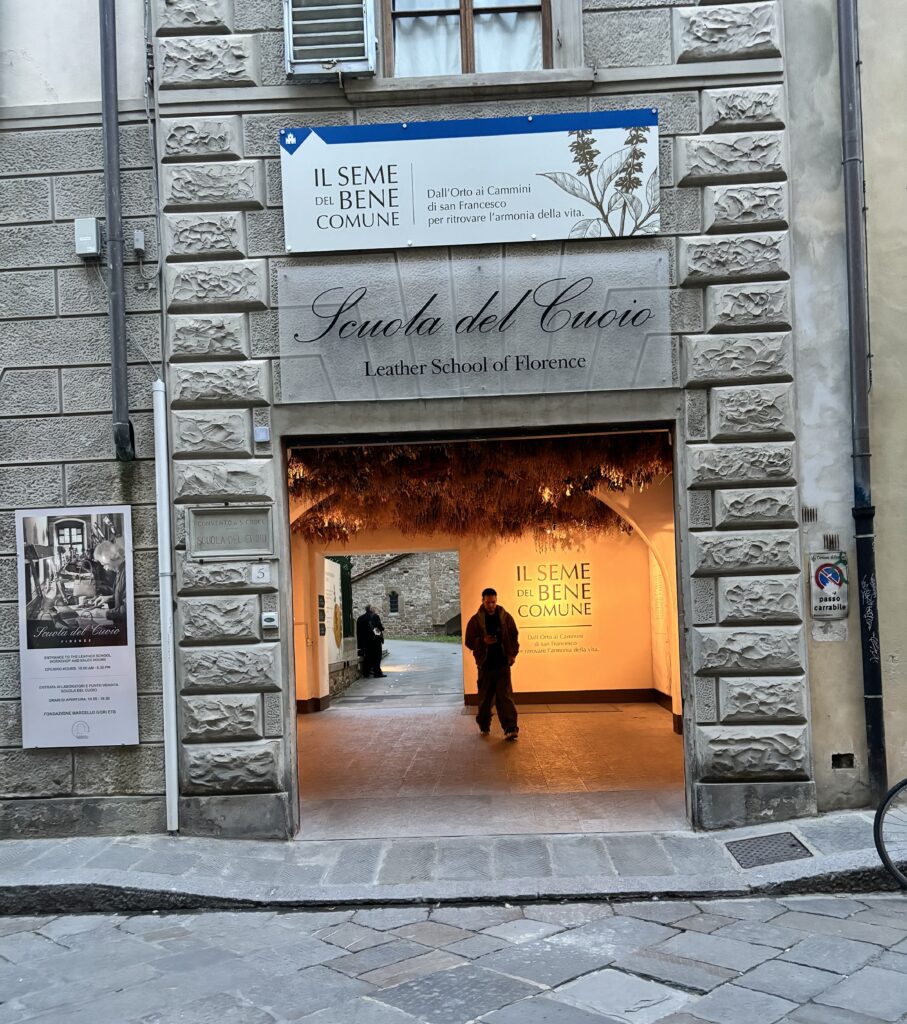
Tucked behind the apse of Santa Croce in a Renaissance dormitory frescoed by Ghirlandaio’s school, the Leather School of Florence is where you watch artisans cut, stitch and gold-emboss bags in the open workshop. Why it matters: founded in 1950 by the Franciscan friars of Santa Croce and the Gori family to teach WWII orphans a trade, it still trains new artisans today through the Marcello Gori Foundation, which educates six underprivileged young people in leathercraft each year. Wander the workshop corridor for free, then have a wallet or belt personalized with 22-carat gold initials while you wait. Tip: enter through the garden on Via San Giuseppe rather than paying Santa Croce admission.

Skyline Bar

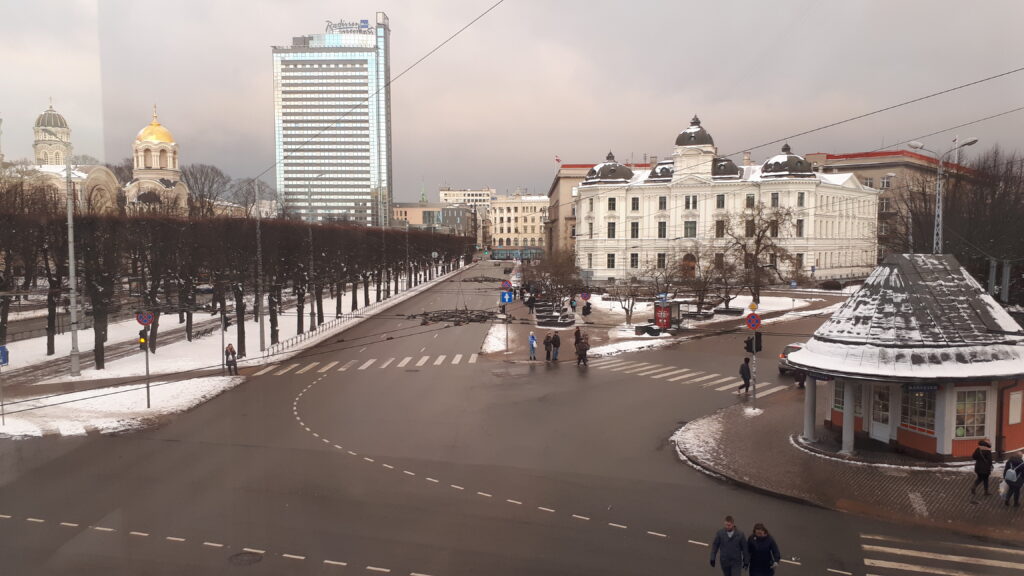
Riga’s classic high-altitude drink: a panoramic elevator whisks you to the 26th floor of the Radisson Blu Latvija, where glass walls give a 360° sweep over Old Town rooftops. Order a signature cocktail or a poke bowl and circle the bar for the best angles — sunset is prime time. Tip: there’s a small cover charge (around €5) Thursday to Saturday evenings from 20:00, so arrive earlier to skip it and grab a window seat.

Scroll to Top