Like A Local Guide

Listings

I Due Forni

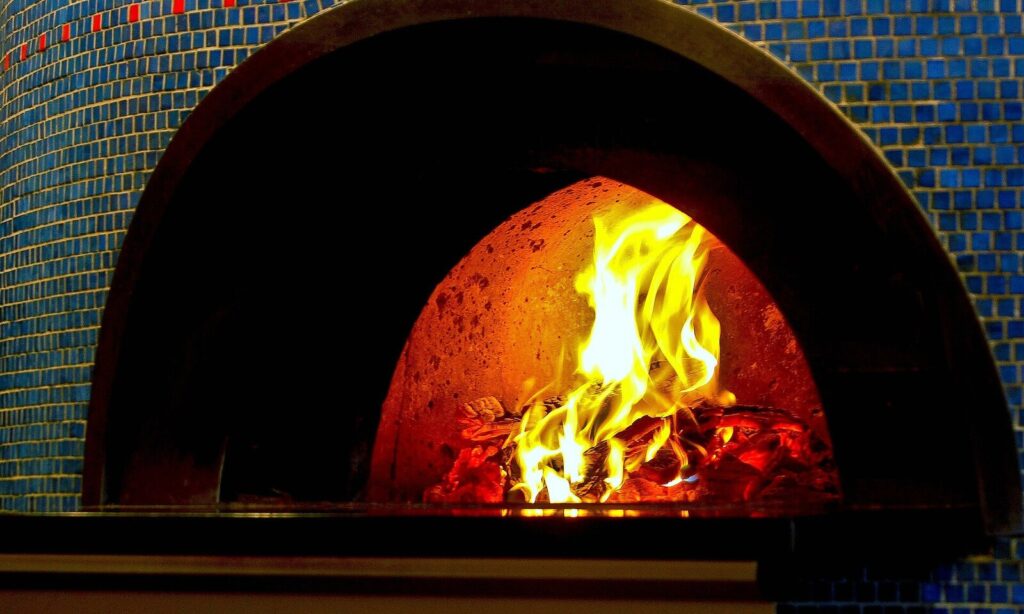
I Due Forni is a lively, cheap-and-cheerful pizzeria on Schönhauser Allee in Prenzlauer Berg, part of a small trio (with Il Casolare and Il Ritrovo) started by Italian regulars decades ago. The dining room gets loud and packed on weekend nights, with thin-crust pizzas fired fast and carried out by brisk Italian waiters. Order a classic like the Diavola and a carafe of house red — it’s cash-friendly prices for the portion size. Tip: go early or expect a wait, as they don’t take reservations for small groups.
Must Puudel

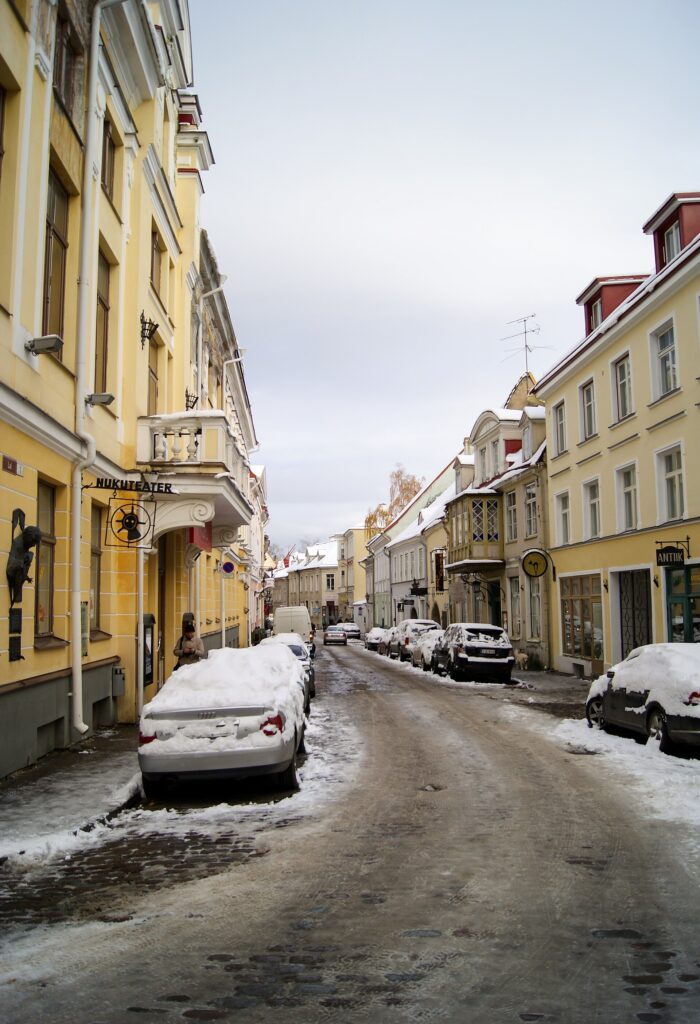
Must Puudel (“Black Poodle”) is a quirky café-bar tucked into Tallinn’s Old Town on Kuninga street, pouring good coffee in Moomin mugs by day and mixing cocktails by night. The eclectic 70s-Estonia interior is packed with curios worth a slow look, and the summer terrace looks out over the Old Town towers. Try the homemade cakes with your coffee, or swing back after dark for the cocktail menu. Tip: weekend evenings get busy, so grab an outdoor table early if the weather’s good.

The Good Shop

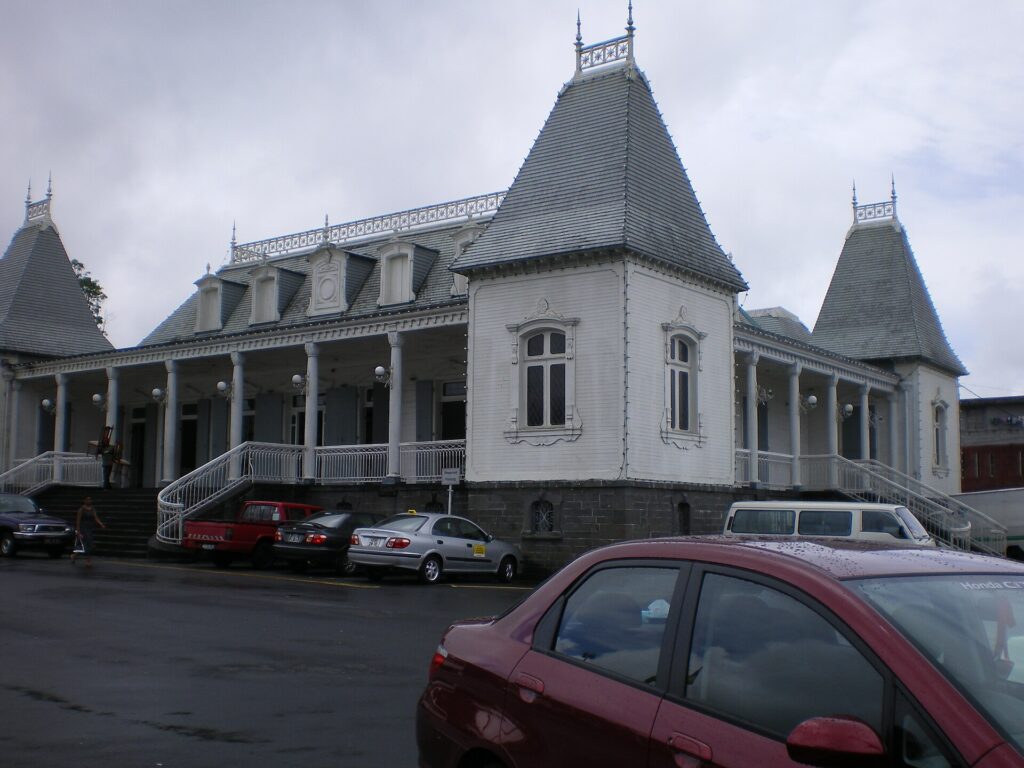
The Good Shop is Mauritius’s home-grown thrift network, reselling donated clothing, books, toys, furniture and household goods across five branches island-wide. Why it matters: launched in December 2018 as a not-for-profit social enterprise, it has kept over 100,000 items out of Mauritian landfills, built a team where more than a third of staff face barriers to employment, and channels 10% of net reserves into scholarships for students from vulnerable communities. Dig through the racks for vintage textiles, secondhand furniture and home decor at a fraction of retail prices, with fresh stock arriving daily. Tip: follow their Facebook or Instagram for quarterly inventory sales, when discounts stack even deeper.

Wohnzimmerbar

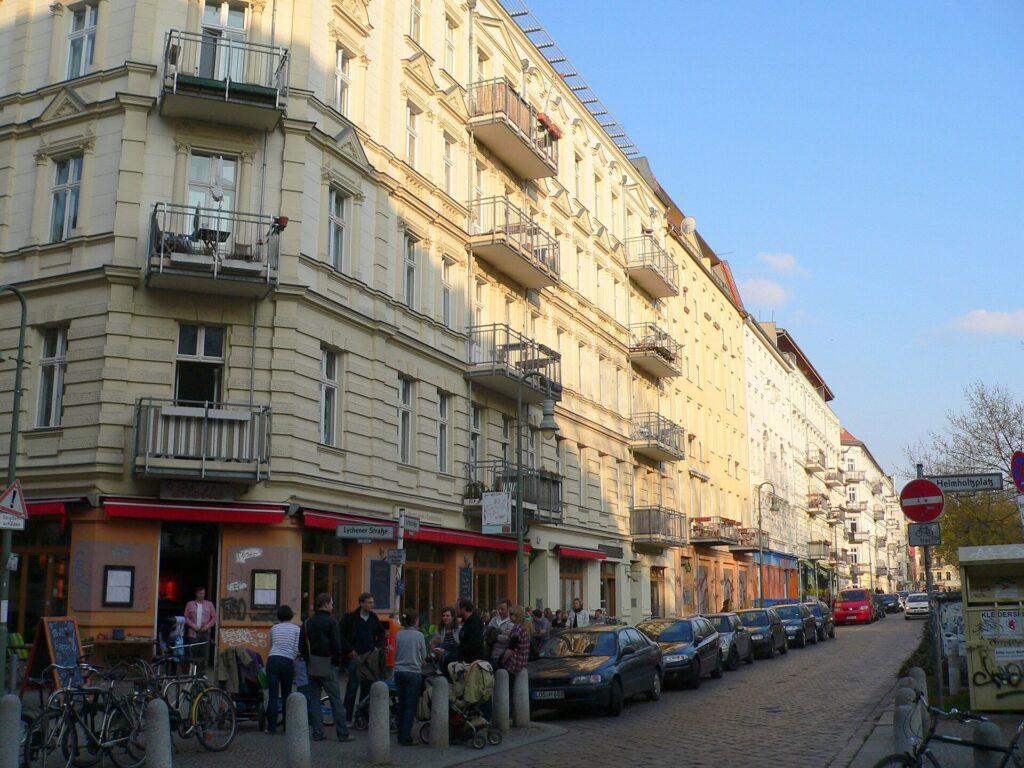
Wohnzimmerbar (literally “living room bar”) on Letteplatz in Prenzlauer Berg lives up to its name: mismatched velvet sofas, floral armchairs, and 1960s-style cabinets stand in for the usual barstools. It’s a relaxed spot for a cocktail or glass of wine any night of the week, and it doubles as a daytime cafe with coffee and breakfast. Doors open daily at 4pm and the crowd settles in for the long haul, so it’s a good pick after dinner when you’d rather sit than stand. The window sofas go first on weekends, so get there early if you want one.

Qube

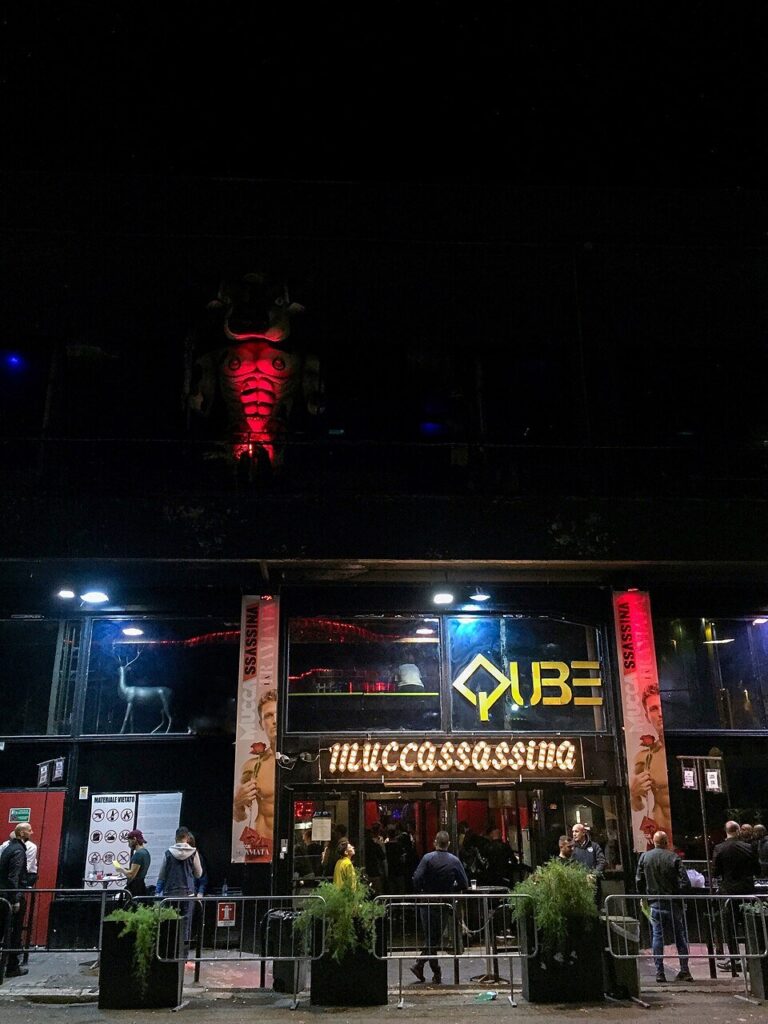
Qube is Rome’s biggest LGBTQ+ nightclub, spread across three industrial-chic floors near Via di Portonaccio, each spinning a different genre from house to hip-hop to retro disco. The long-running Muccassassina party has anchored the scene here for two decades and still draws a mixed, high-energy crowd on weekend nights. Doors don’t get going until close to midnight and run through 3:30am Thursday to Saturday. Bring cash for the cover charge and coat check, and budget extra time for the line.

Café Sonja

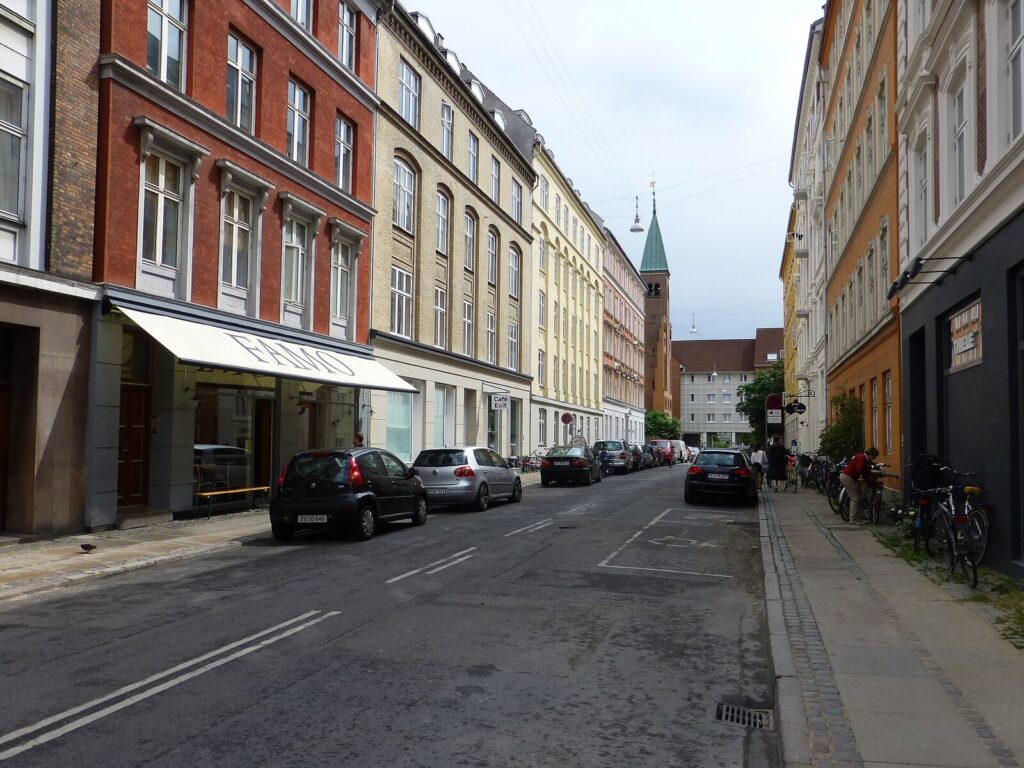
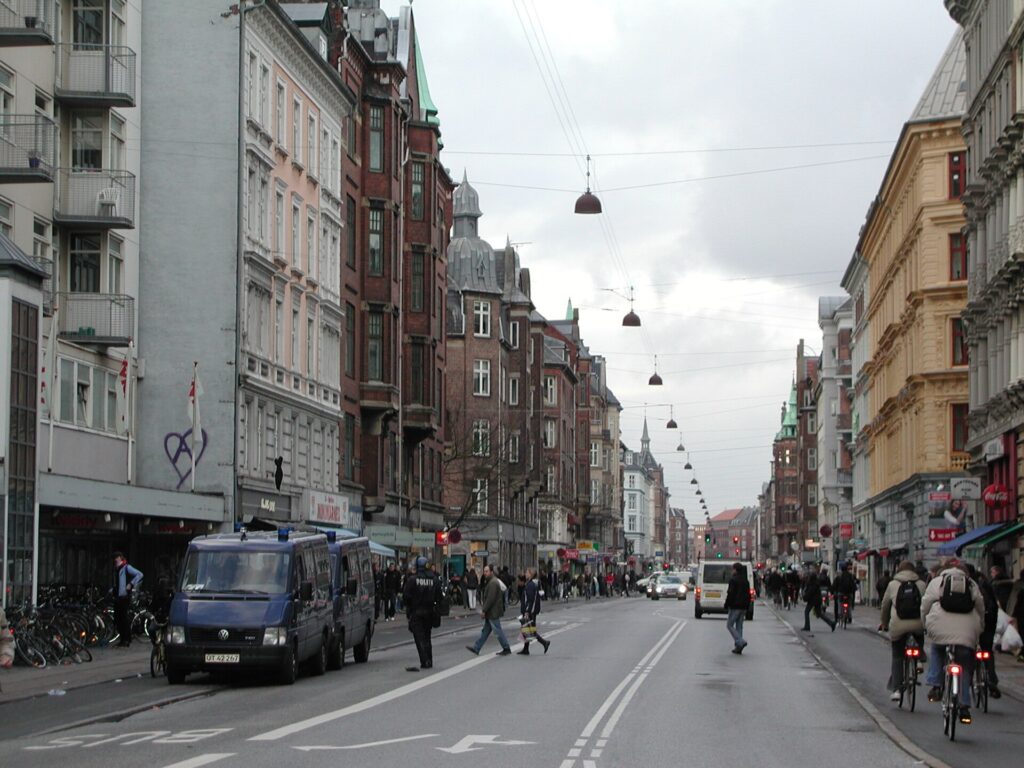
Why it matters: run by Settlementet, a Vesterbro nonprofit founded in 1911, Café Sonja has provided employment for people with physical and social challenges for more than 30 years – it anchors Saxogade, Denmark’s first social-economic shopping street, opened in 1986. Stop in for home-baked buns, cinnamon rolls, and daily brunch specials in a warm, unpretentious neighborhood setting. It’s a genuine slice of local Vesterbro life, not a tourist stop dressed up as one. Tip: closed Mondays – go midweek for the best shot at a table, or swing by on the weekend for the brunch menu.

Baisikeli

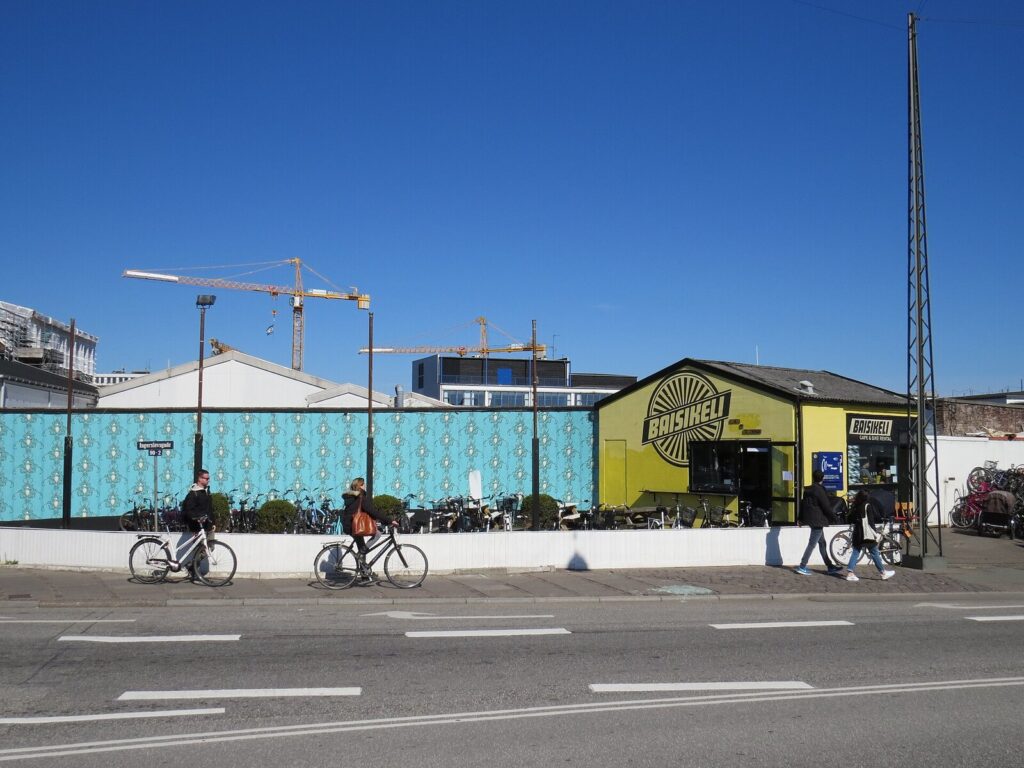
Why it matters: Baisikeli – Swahili for ‘bicycle’ – is a certified B Corp social enterprise that has shipped more than 20,000 refurbished bikes to Tanzania, Sierra Leone, and Ghana, funding projects like bicycle ambulances and cargo trikes that boost farmers’ incomes. Every rental booked at its Vesterbro shop helps finance that work. Pick up a city bike or cargo bike near Dybbølsbro and Fisketorvet and spend the day exploring the harbor and Vesterbro’s backstreets. Tip: book online ahead in summer – rental stock sells out fast on sunny days.

WeFood

Why it matters: opened in 2016 by the Danish aid organization DanChurchAid, WeFood was the world’s first supermarket to sell only surplus food – mislabeled, overstocked, or nearing ‘best before’ dates – with every krone of profit funding emergency aid and anti-poverty projects in places like South Sudan and Ethiopia. It’s a genuinely useful stop too: shelves are stocked with everyday groceries at 30-50% off, run largely by volunteers. Browse whatever the day’s donations bring in – stock changes constantly, so there’s no fixed inventory. Tip: go earlier in the day for the best selection before shelves thin out.

Folk Art Baku

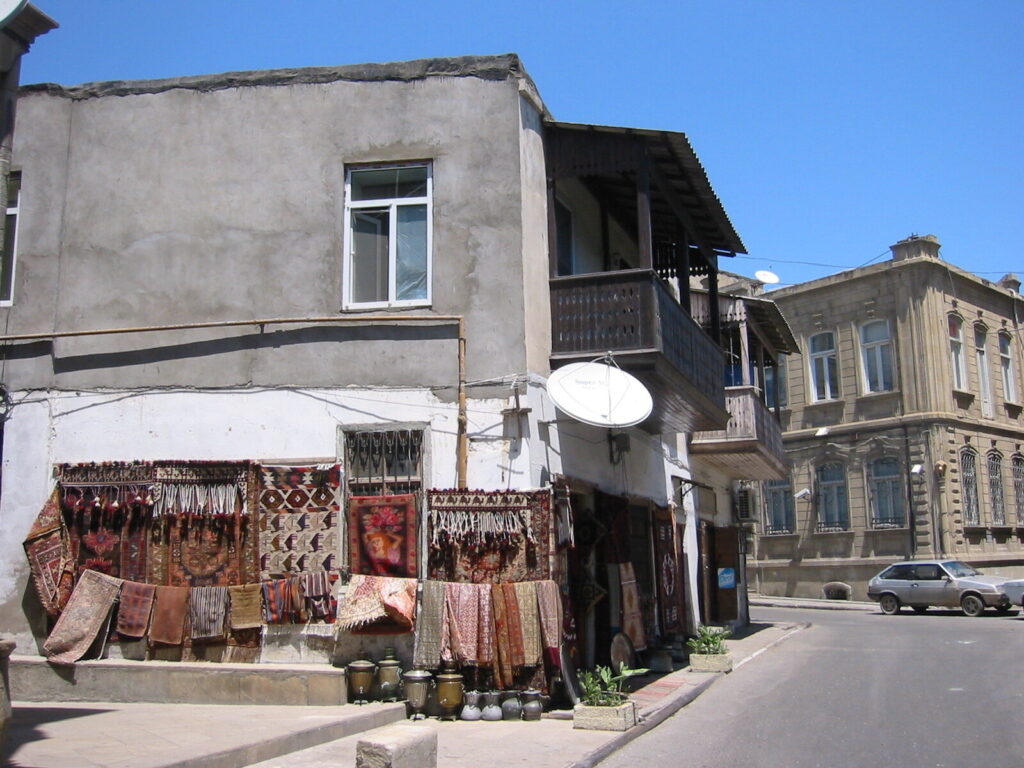
Why it matters: this Old City shop has spent over a decade connecting travelers directly with Azerbaijani artisans, paying rural producers and craftspeople from the country’s ethnic-minority communities according to Fair Trade principles rather than routing profit through middlemen. Expect handmade jewelry, pottery, traditional dolls and leatherwork, each piece traceable to the maker who created it. Pick up a hand-painted glass tea set or a traditional doll as a souvenir with a real story behind it, and ask the English-speaking staff which producer made what you’re holding.

Azerkhalcha Carpet Gallery

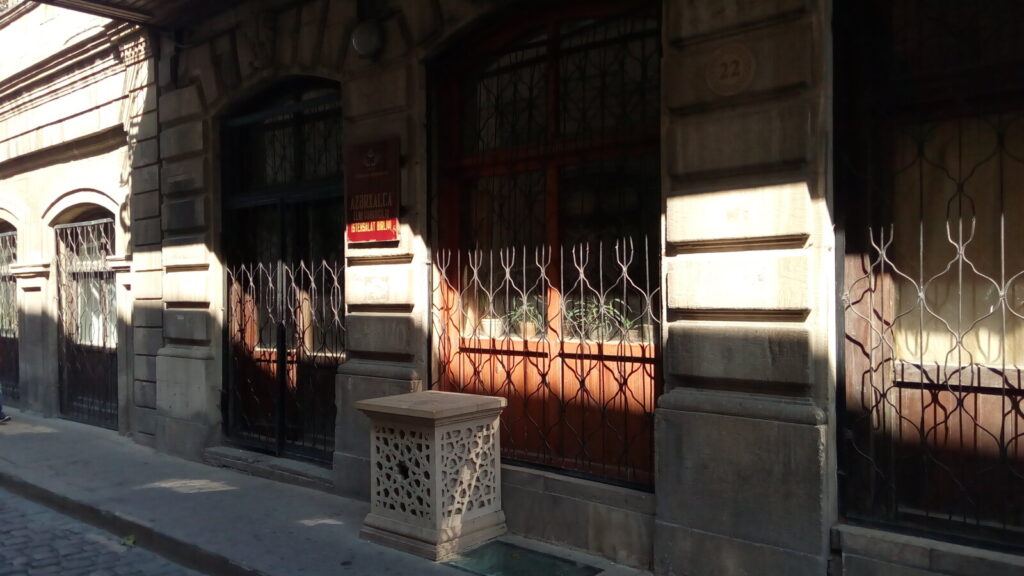
Why it matters: Azerkhalcha’s roughly 500 female artisans, aged 18 to 80 and working across 14 studios in rural Azerbaijan, hand-knot every carpet sold here, with the organization’s mission centered on preserving traditional weaving techniques while supporting the livelihoods of the women who keep the craft alive. The Old City showroom doubles as a small museum of the art form, whose UNESCO-recognized techniques are on full display. Browse the collections by region – Karabakh, Guba-Shirvan, Tabriz – even if you’re not buying, and ask staff to explain the symbolism woven into the patterns.

Scroll to Top