Like A Local Guide

Listings

Bettr Coffee @ The Foundry

Why it matters: Bettr Coffee is a certified B Corp that trains marginalised women and at-risk youth as baristas through its own academy, reinvesting profits back into that training. This Prinsep District cafe, opened in 2024 inside the historic Foundry building, is Bettr’s first sit-down location. Order a single-origin pour-over or check the seasonal menu, and ask staff about the academy behind the counter – several are graduates. Go on a weekday for full 9am-10pm kitchen hours; weekends close earlier at 5pm.
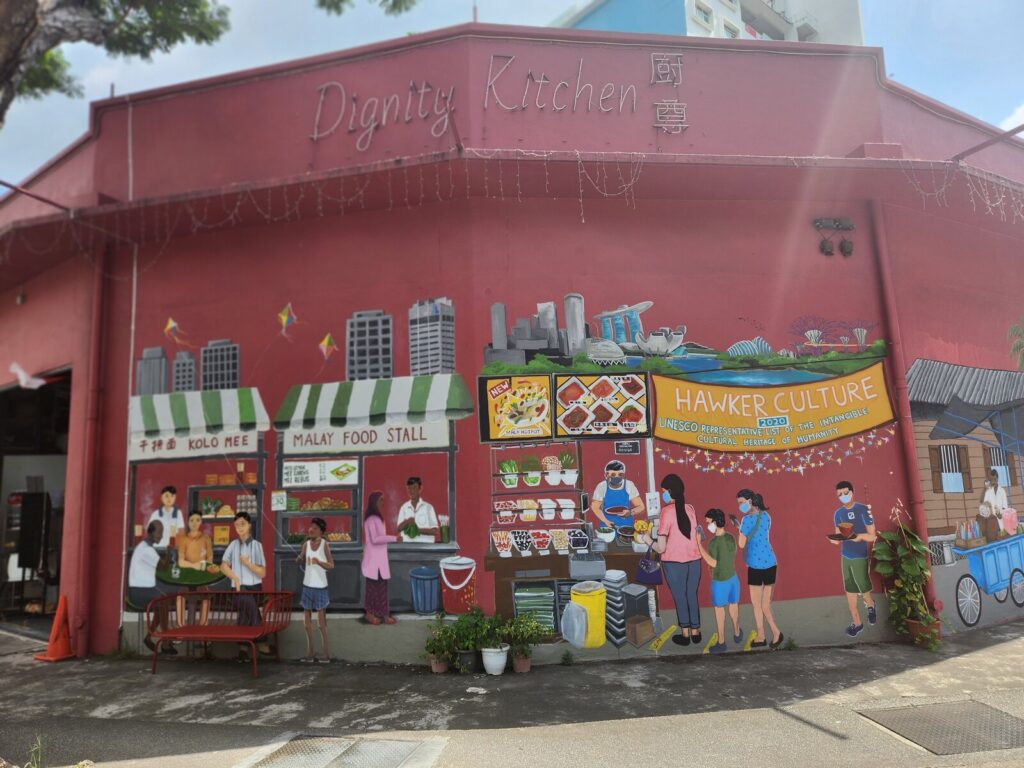
Dignity Kitchen

Why it matters: founded in 2010 by social entrepreneur Koh Seng Choon, this Boon Keng hawker centre runs all seven of its stalls with differently-abled and disadvantaged colleagues, from hearing-impaired bakers to a kopi master fluent in sign language. Braille-marked registers and height-adjusted counters make every stall accessible, and the whole operation is halal-certified. Order the wanton mee or claypot rice, and go for breakfast or an early lunch – it’s open Mon-Sat 8am-3pm only, closed Sundays and public holidays.

Yaşıl Bazar (Green Market)

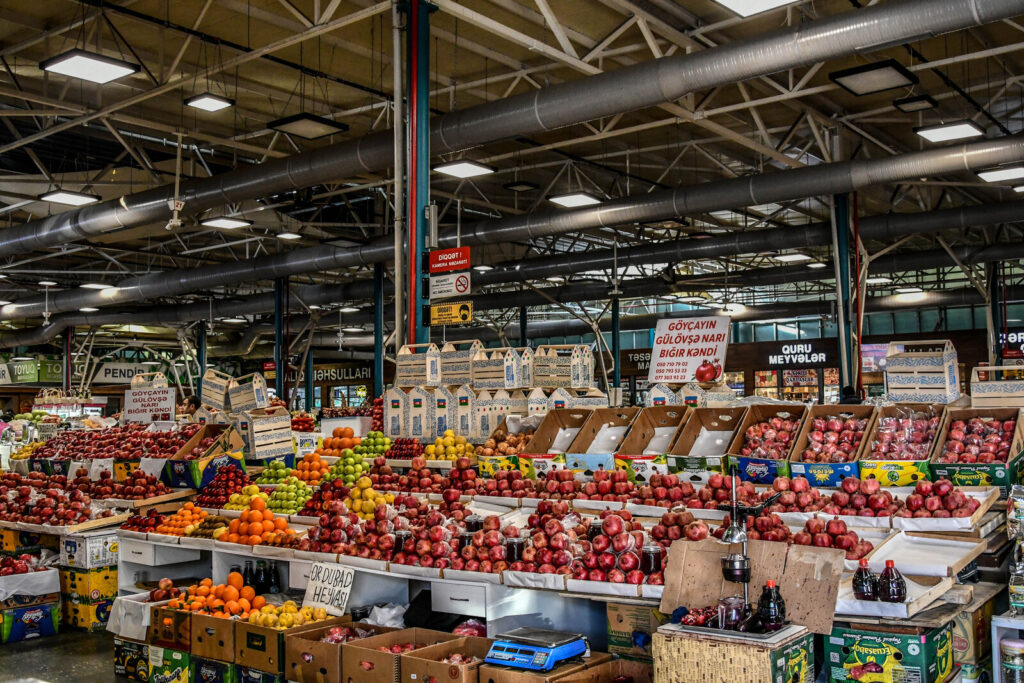
Yaşıl Bazar, Baku’s biggest and most famous food market, spreads out just south of the 28 May metro stop on Khatai Avenue — a covered hall of stalls piled with dried fruit, nuts, honey, and preserved grape leaves, plus a maze of vendors selling Azerbaijani saffron, caviar, and cheese. Prices are aimed at locals, not tourists, so it’s worth haggling and normal to taste before you buy. Tip: go hungry and graze your way through — the dried-fruit and nut stalls near the entrance are especially generous with samples.

Canastra Rose

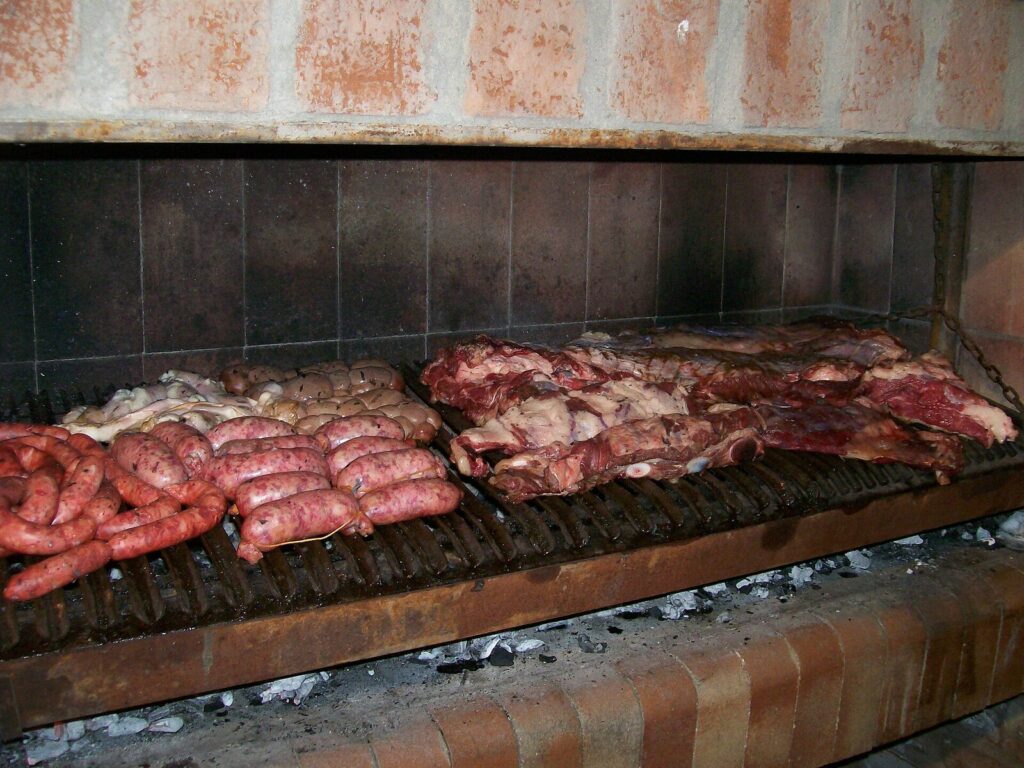
Canastra Rose is a two-story Botafogo mansion turned parrilla bar, helmed by Uruguayan chef Alejandro Nunez, with a rooftop grill turning out the sinfonia do assador — ribeye, shoulder steak, and chimichurri-doused sweet potato and pineapple. It’s a proper local hangout: live music, strong cocktails, and a cover charge that depends on whether you’re drinking. Open Wednesday to Saturday evenings and Sunday afternoons, but it doesn’t really fill up until after 9pm. Tip: book ahead on weekends, it’s one of the most packed bars in Botafogo.

SHARE – Second Hand Reuse

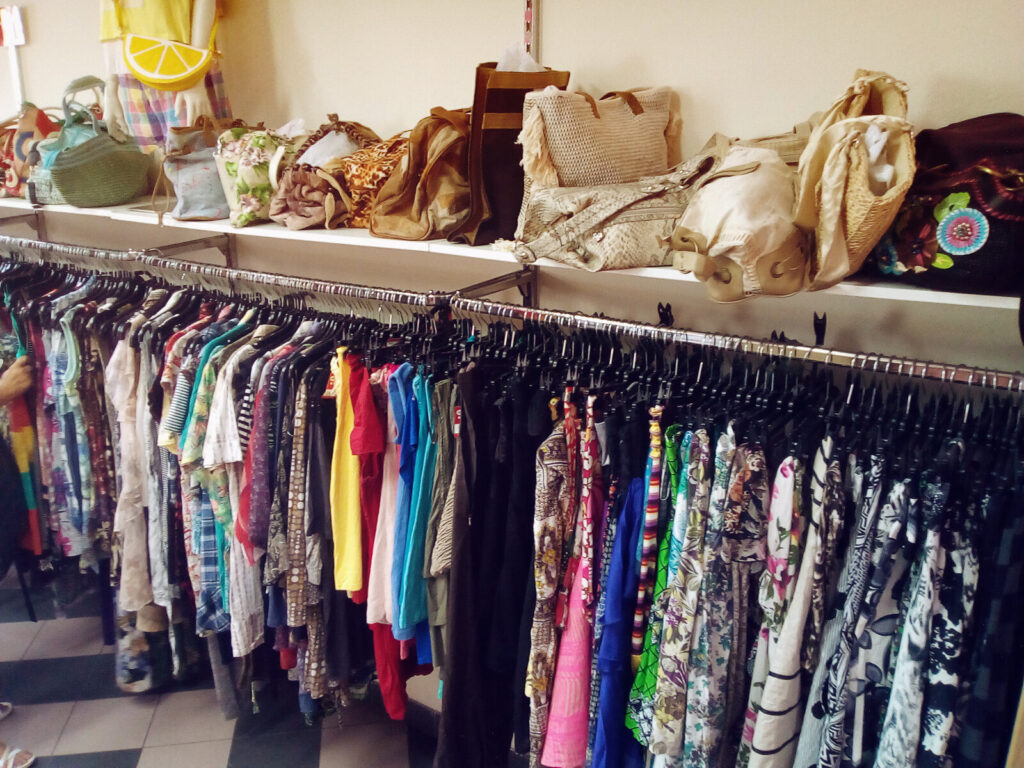
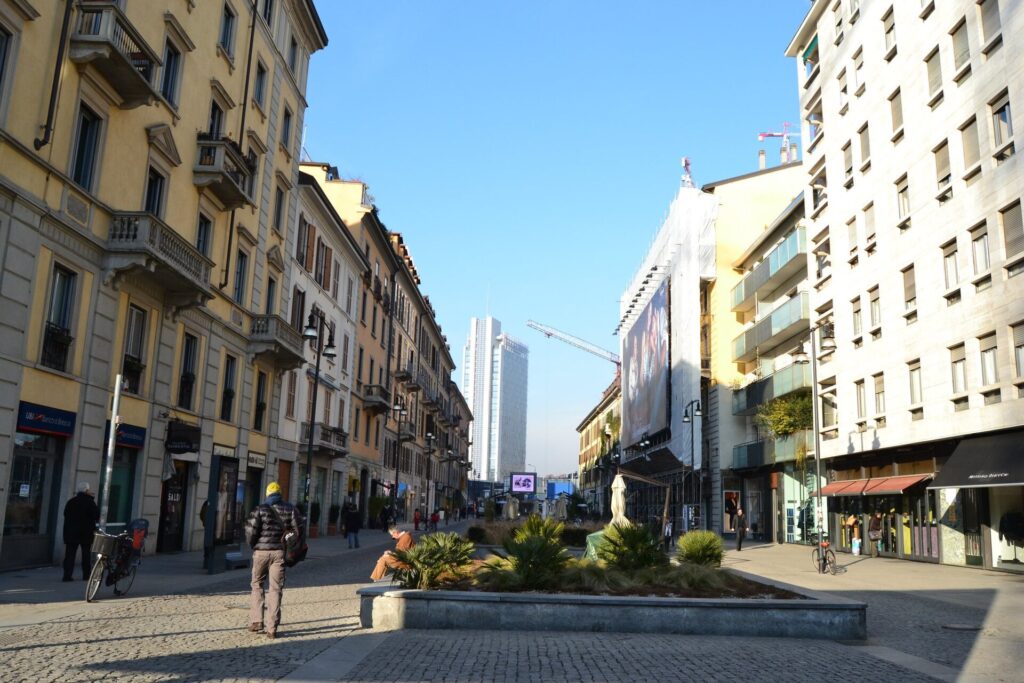
Why it matters: run by Vesti Solidale, a social cooperative active since 1998, SHARE turns donated clothing into jobs for people who need a way back in – ex-prisoners, people with disabilities, political refugees and single mothers make up its roughly 100 employees, who together process about 4,000 tonnes of used clothing a year. It’s also a genuinely good secondhand shop: curated Italian and international pieces, including branded finds, none priced over 12.50 euros. Dig through the racks on Via Padova – Milan’s most multicultural street – then grab lunch at one of the neighborhood’s countless ethnic kitchens nearby.

Libreria delle Donne di Milano

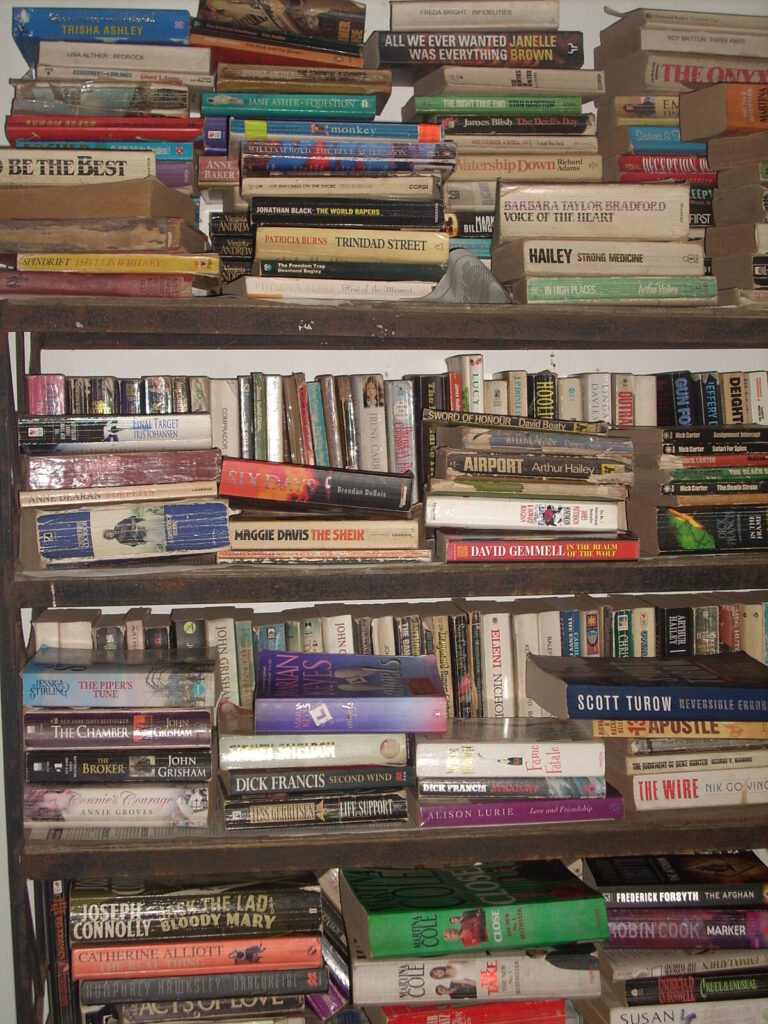
Why it matters: open since 1975, this is one of Europe’s longest-running feminist bookshops, run collectively by more than 40 women through the Circolo cooperativo delle donne Sibilla Aleramo. The shelves hold work from over 3,000 women authors and 10,000+ titles, including out-of-print feminist texts you won’t find elsewhere, and the shop still publishes its own quarterly journal, Via Dogana, and hosts regular talks and discussions. Browse the fondo librario of rare, out-of-circulation feminist writing, and check the schedule for an evening incontro if you’re around – visitors are genuinely welcome to sit in.

Rob de Matt

Why it matters: opened in 2017 by chef Edoardo Todeschini after he saw Jamie Oliver’s ex-offender training kitchens in London, Rob de Matt trains people facing psychological difficulty, disability, incarceration or refugee status for restaurant work – over 100 people have gone through its program, some now on permanent staff. It’s also just a genuinely good neighborhood bistrot: a 600-square-meter garden with safari-style tents, Mediterranean plates of grilled meat and fish, and solid vegetarian options. Go for a long lunch or weekend dinner in the garden, and book ahead on Friday and Saturday nights.

Humana Vintage

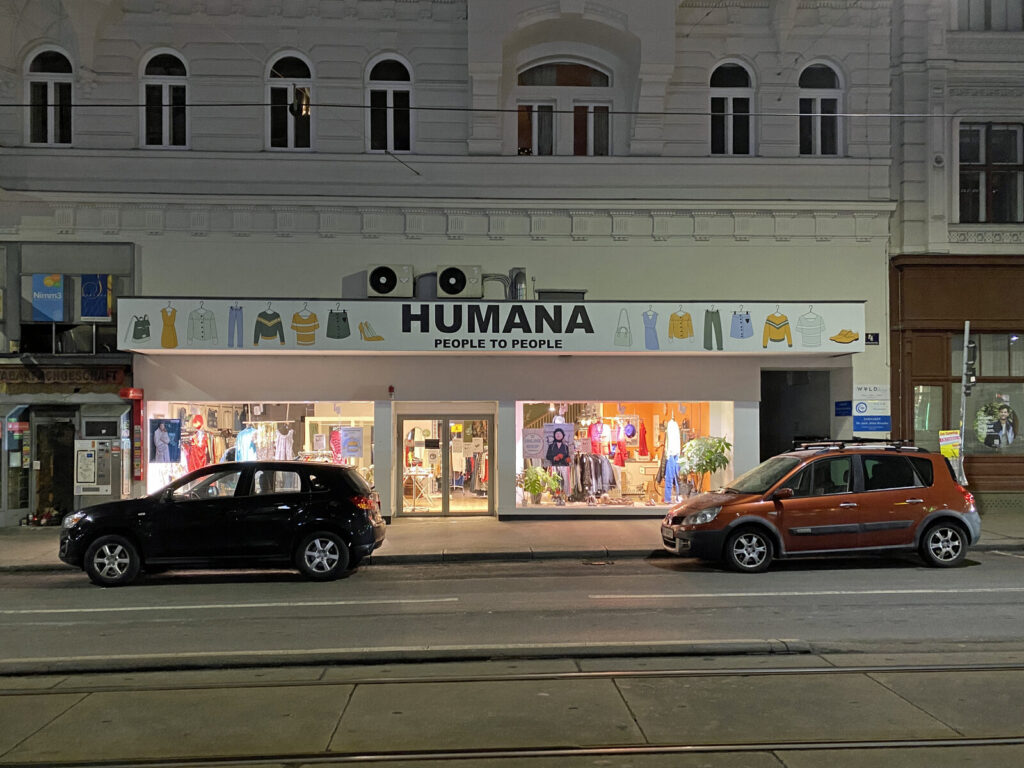
Why it matters: Humana Estonia has run this Old Town vintage shop since the early 2000s as part of a nonprofit reuse chain that has spent over 20 years funding education, healthcare and community development projects in Angola, Mozambique, Malawi, Zimbabwe and Zambia. Every retro coat or pair of boots you buy on Aia funds that work. The racks turn over completely every five weeks, so regulars swing by on new-collection Mondays for first pick of Soviet-era finds and genuine European vintage. It’s a two-minute walk from the Old Town’s Viru Gate.

Uuskasutuskeskus

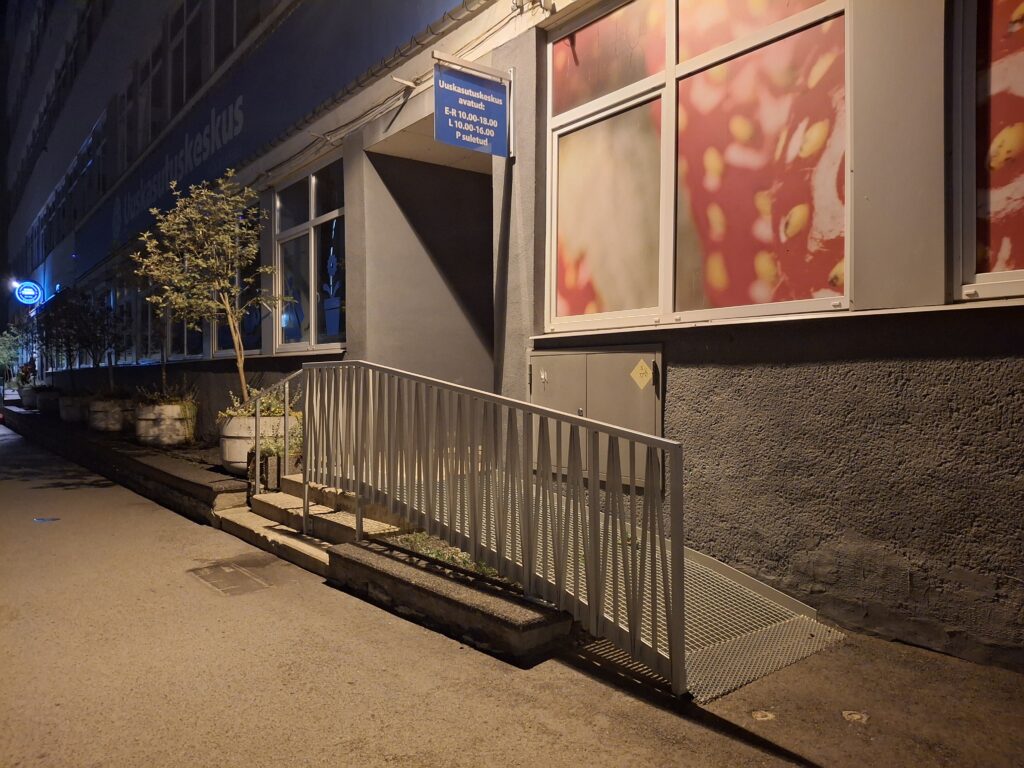
Why it matters: run by a nonprofit since 2004, Uuskasutuskeskus (Reuse Centre) keeps roughly 250,000 items a month out of landfills and channels support to more than 50 charity partners across Estonia. The Tatari 64 shop is the chain’s biggest and most central – a warren of secondhand dishes, books, clothing and furniture at prices that make it Tallinn’s favorite eco-souvenir stop. Dig for old Soviet-era glassware or a stack of quirky Estonian paperbacks, and bring cash for the smaller odds and ends. Tram 3 or 4 to the Vineeri stop drops you right outside.

Lidl

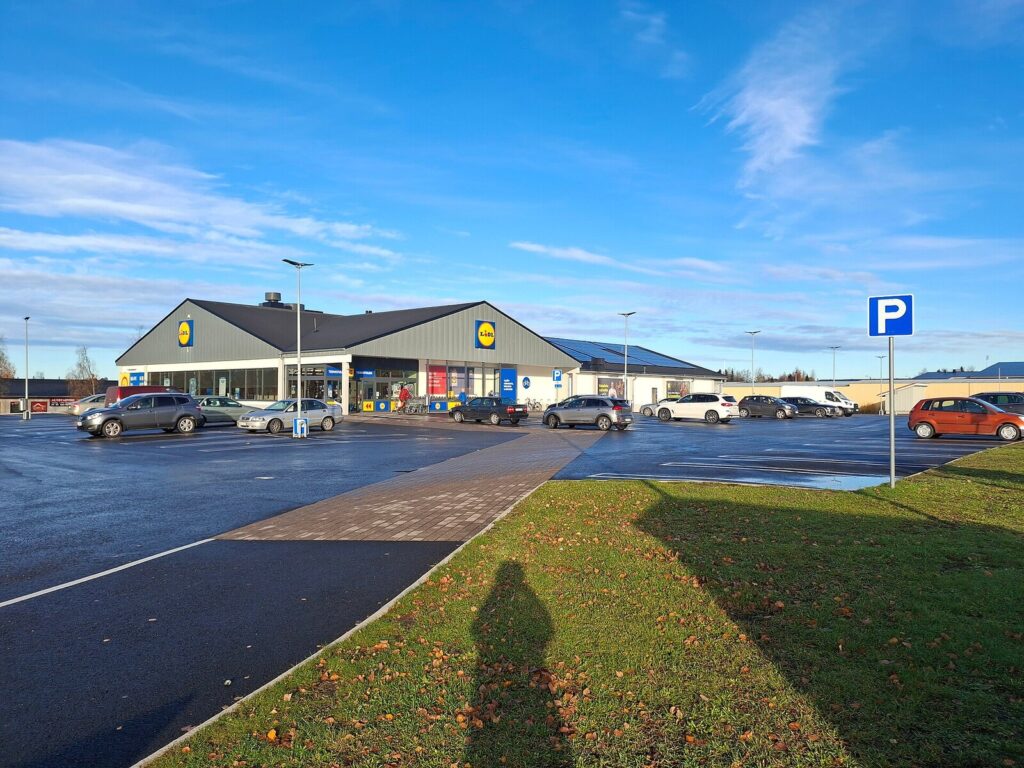
Lidl’s Rovaniemi store at Oijustie 2 is the practical stop for stocking up before heading into the surrounding wilderness for a cabin stay or husky safari. Like other Nordic Lidl branches, it stocks discounted own-brand groceries, Finnish rye bread, and a rotating aisle of camping and outdoor gear that comes in handy for Lapland trips. It’s a short walk or bike ride from the city centre, tucked into a light industrial area rather than the main shopping street. Tip: bring a 1-euro coin (or token) for the shopping cart, a standard Lidl deposit system across Europe.

Scroll to Top