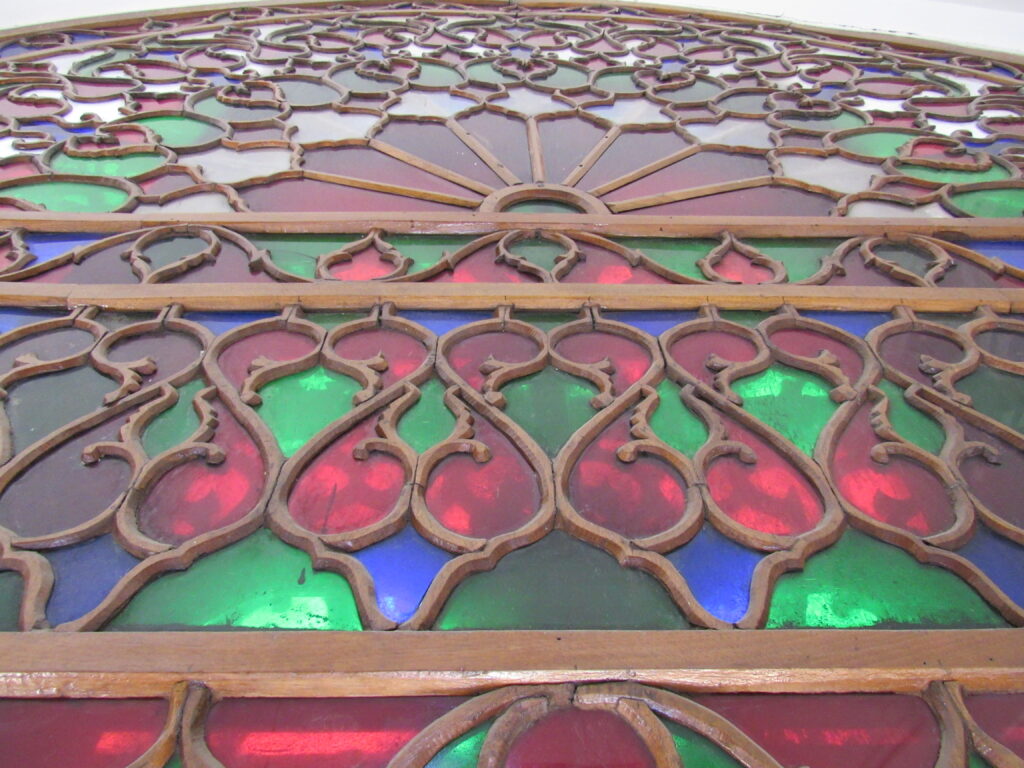
Constitution House of Tabriz
This Qajar-era mansion near the bazaar was converted into the Museum of the Constitutional Revolution in 1996, and it played a genuine role in that history rather than simply commemorating it from…
This Qajar-era mansion near the bazaar was converted into the Museum of the Constitutional Revolution in 1996, and it played a genuine role in that history rather than simply commemorating it from…
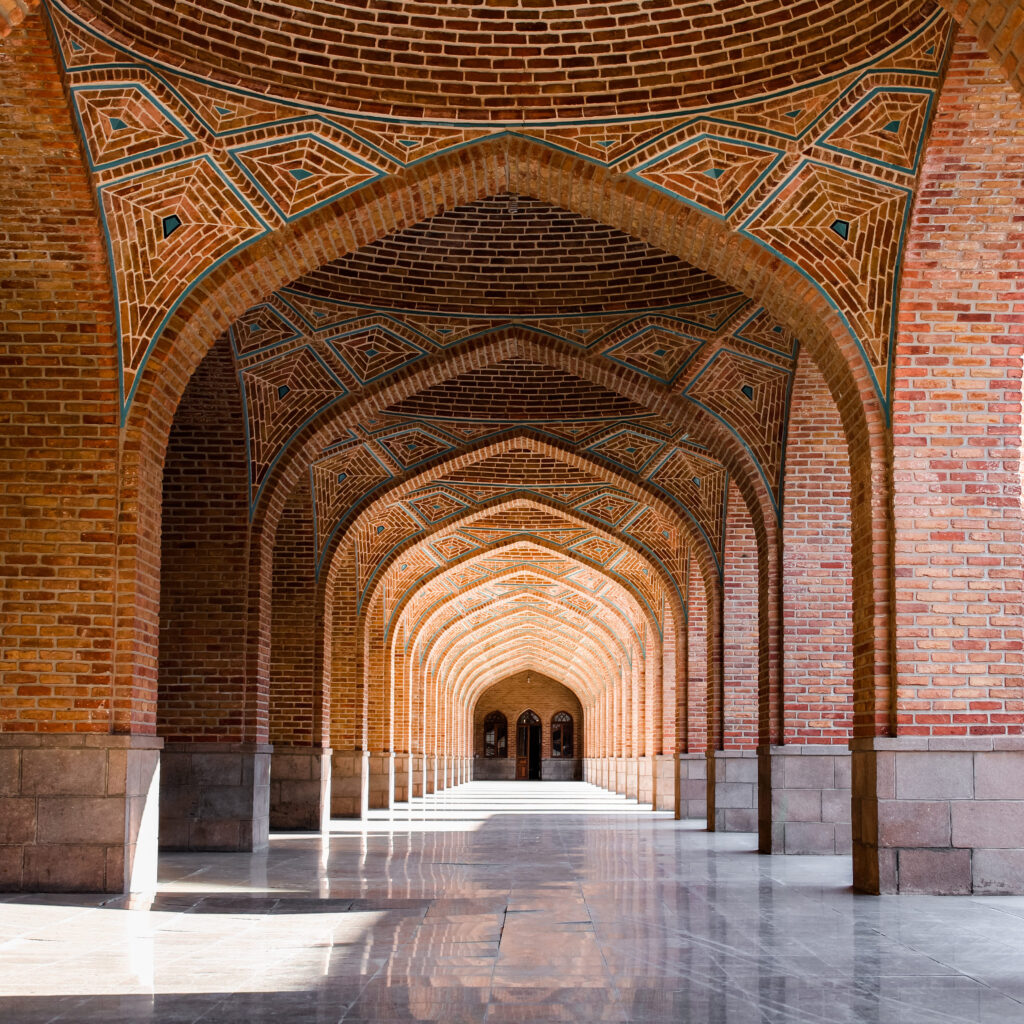
Tabriz’s Blue Mosque dates to the fifteenth century under the Kara Koyunlu dynasty, and even in its partially ruined state, the surviving tilework hints at how striking the original must have been.
Rab’-e Rashidi is a weathered hillside complex in north-eastern Tabriz, built in the early fourteenth century under the Ilkhanid ruler Ghazan Khan as a centre of scholarship and learning.
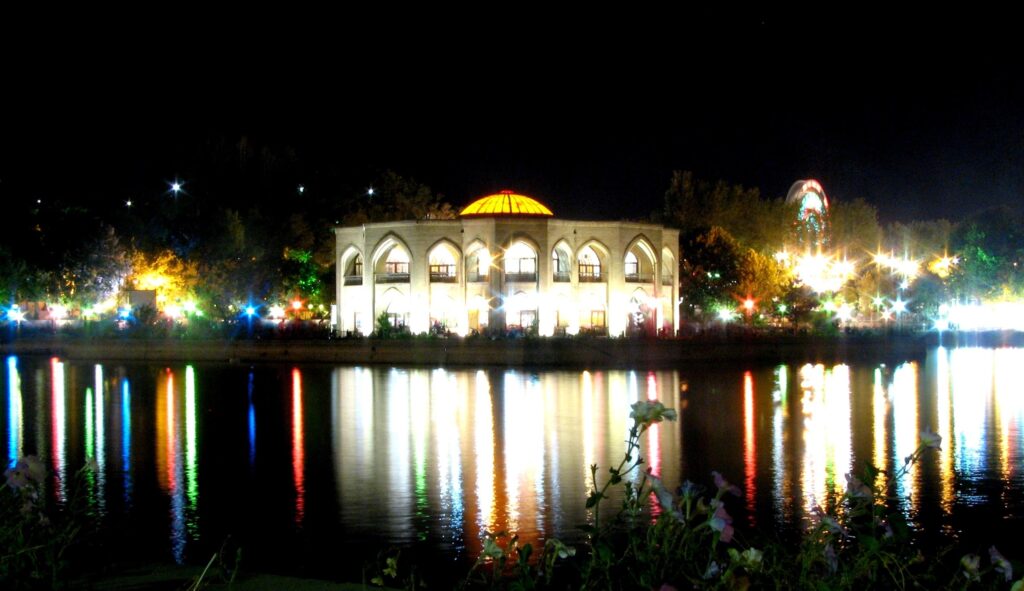
Shahgoli, better known to visitors as El Goli, sits at the highest point in Tabriz, and the view over the city from its gardens is reason enough to come.
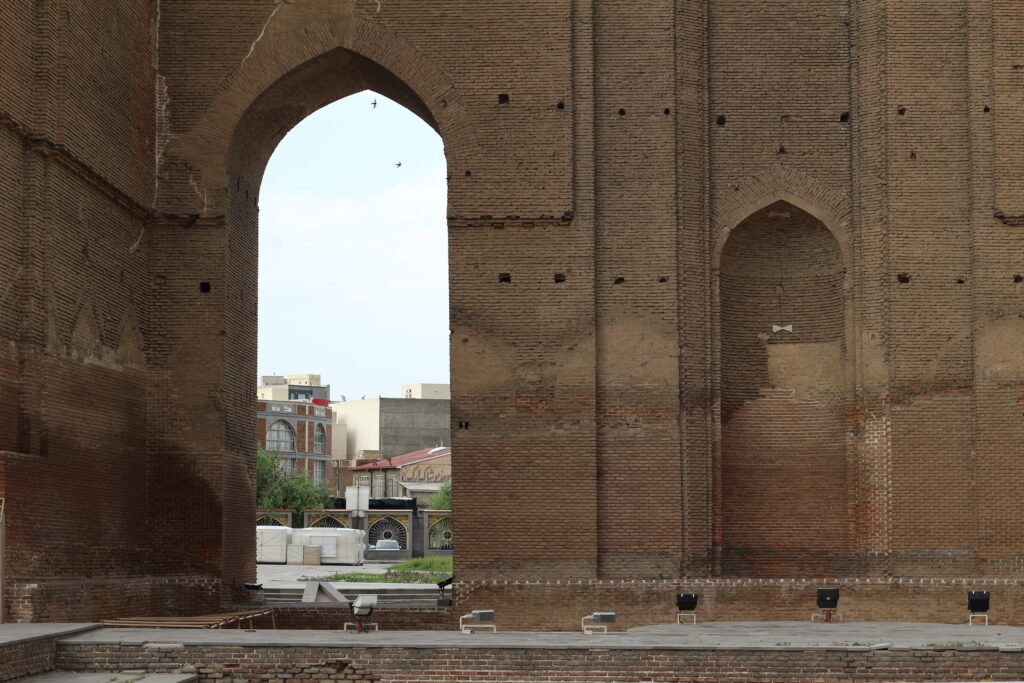
The Arg of Tabriz is what remains of a colossal Qajar-era brick citadel, its ruined walls rising dramatically on a hill above the old riverbed at the edge of the city centre.
Tarbiat is Tabriz’s main pedestrian street, laid out in the early Pahlavi era and still lined with the architecture of that period rather than modern shopfronts.
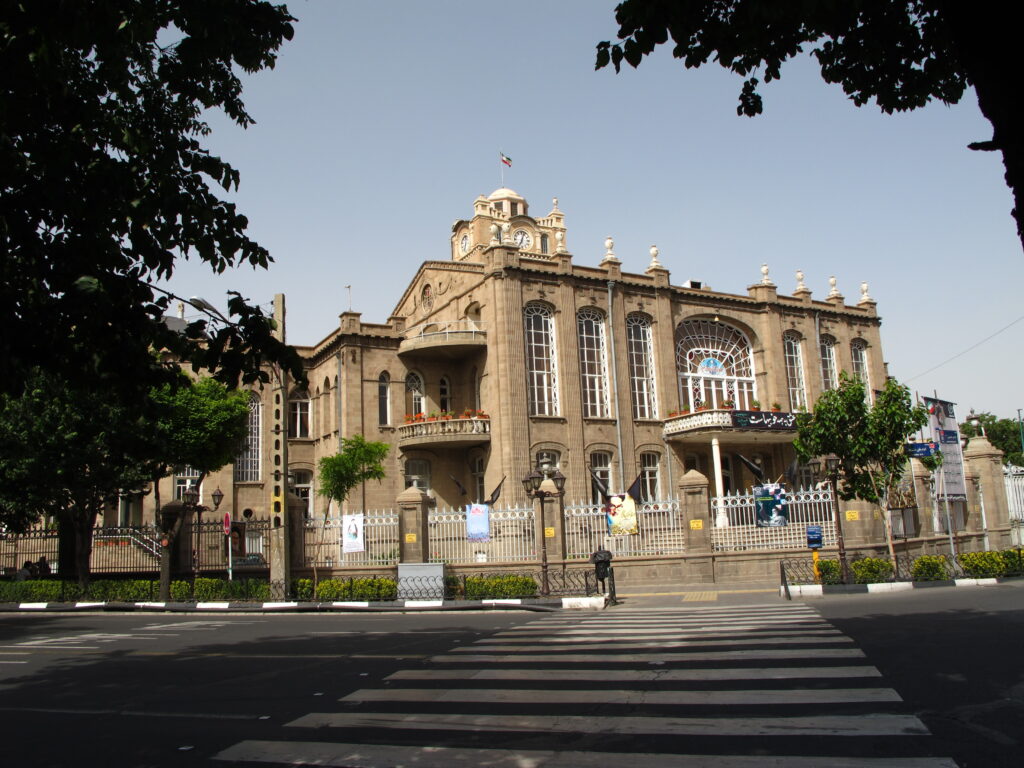
Saat Square, named for its landmark clock tower, is the busiest and most symbolic square in modern Tabriz, and it costs nothing to stop and take it in.
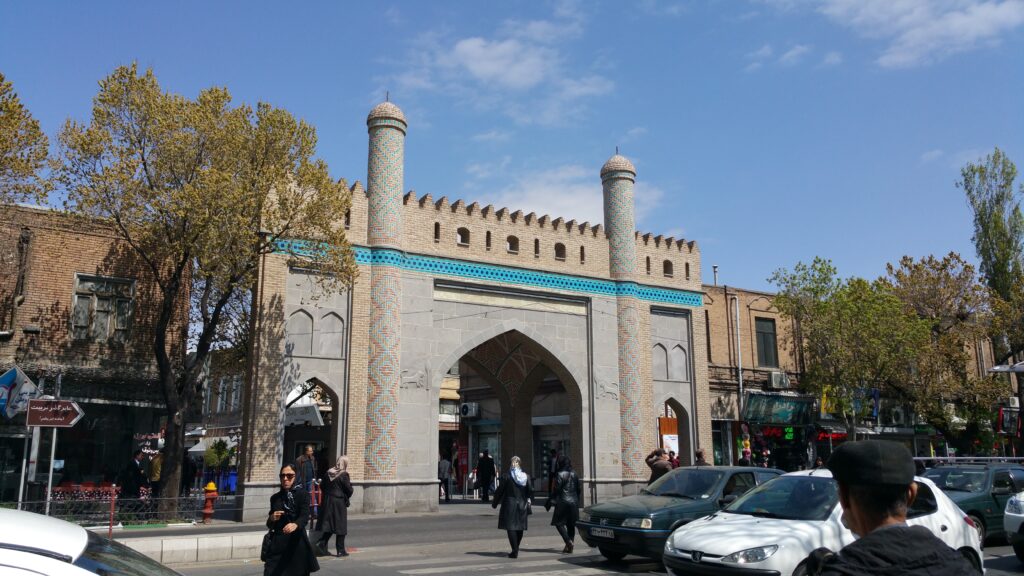
Tabriz’s Grand Bazaar is a UNESCO-listed maze of vaulted brick alleys covering around seventy acres, and it is still a working market rather than a museum piece.
Rex is an old-guard Tabriz confectionery with roughly eighty years in business, the kind of shop locals have been buying sweets from for generations rather than a recent arrival chasing tourist footfall.
Tucked inside the Grand Bazaar, the Kafashan Market is the historic centre of Tabriz’s leather and shoemaking trade, a trade that ranks second only to carpet weaving in the city’s craft economy.