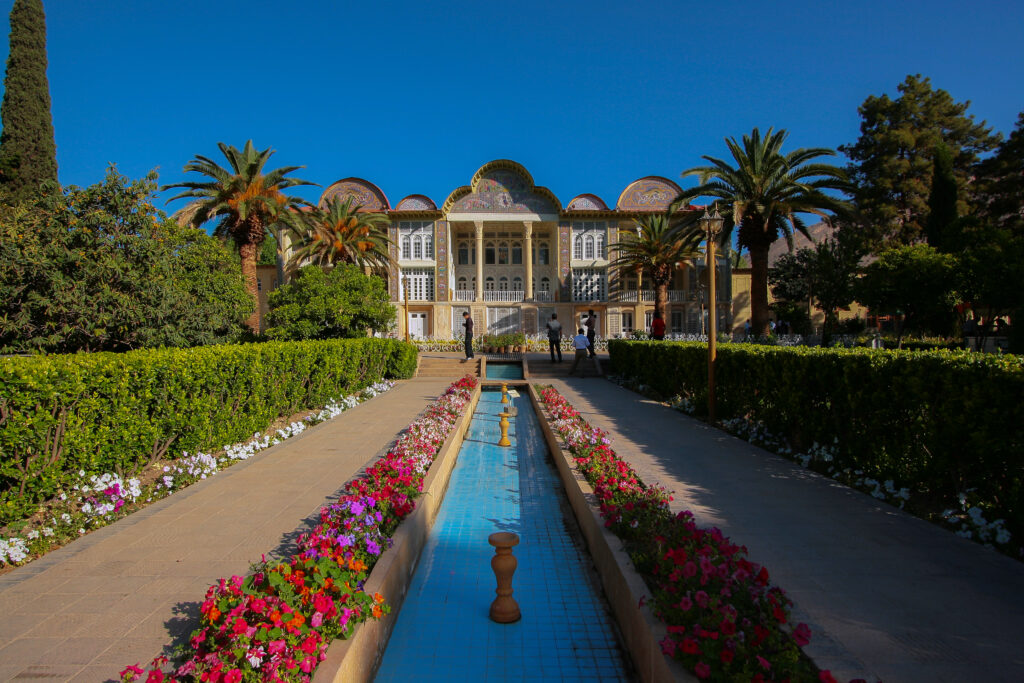
Eram Garden
Eram Garden traces its layout back to the Seljuk era, though the palace at its centre is Qajar, built for Haj Nasir-ol-Mulk. It follows the classic charbagh design, four quarters divided by…
Eram Garden traces its layout back to the Seljuk era, though the palace at its centre is Qajar, built for Haj Nasir-ol-Mulk. It follows the classic charbagh design, four quarters divided by…
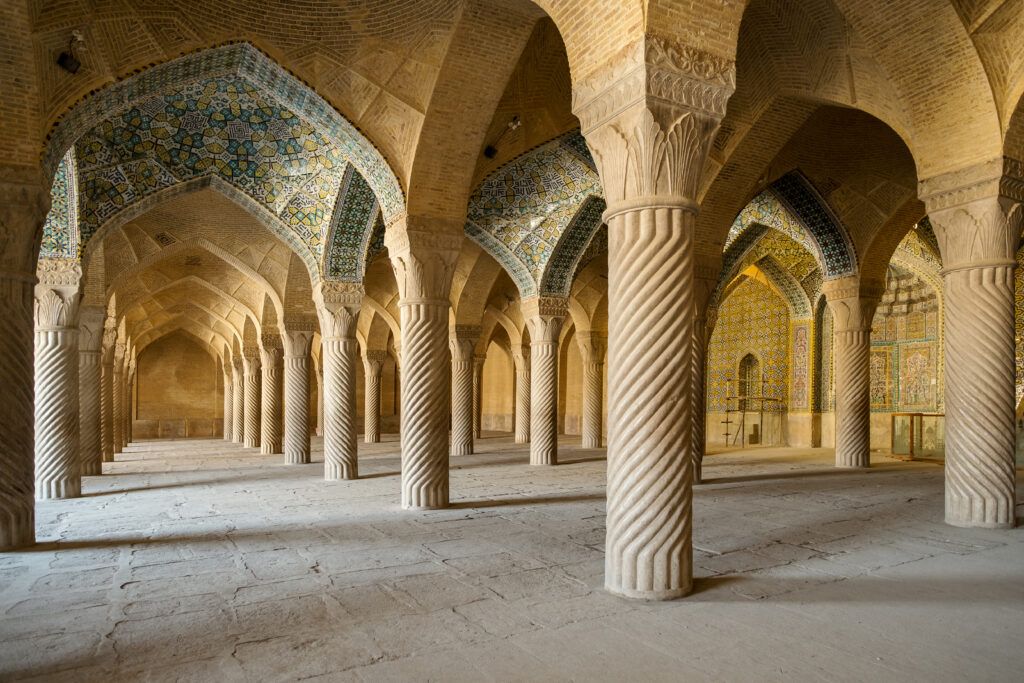
Karim Khan Zand commissioned Vakil Mosque in 1773, right alongside the bazaar that carries the same name, and its forty-eight spiral-fluted columns are the detail most visitors remember. The two iwans and…
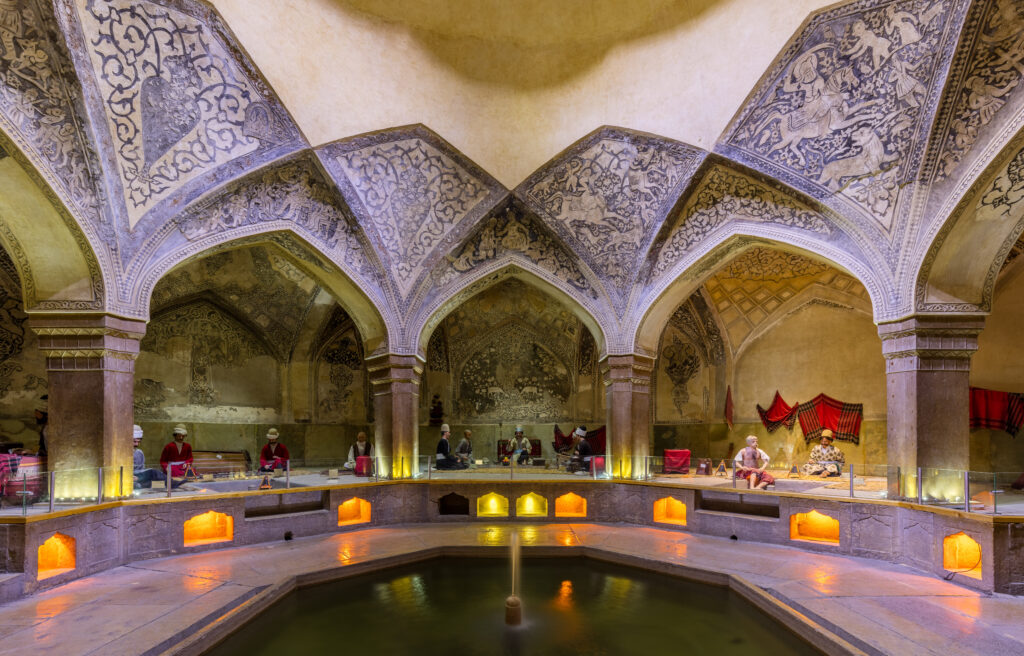
Karim Khan Zand built this bathhouse around 1765, and it operated as a working hammam for generations before becoming a ticketed museum. The octagonal entrance hall is topped by a dome resting…
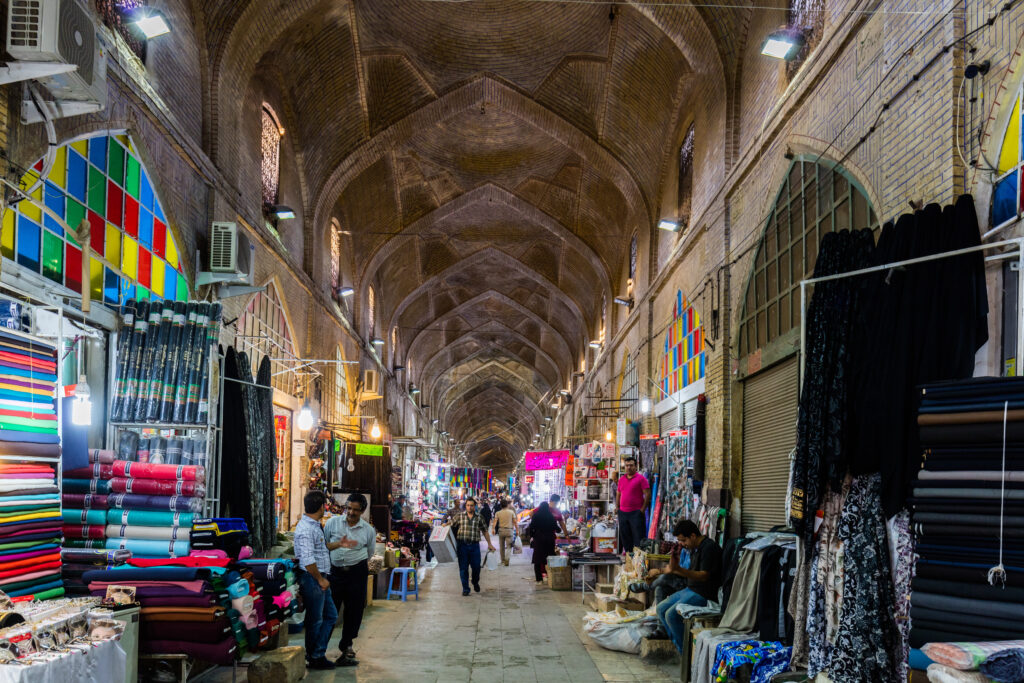
Karim Khan Zand ordered Vakil Bazaar built in 1758, taking inspiration from the Qeysarieh Bazaar in Lar, and it took roughly nineteen years to finish. The cross-shaped layout of brick, barrel-vaulted corridors…
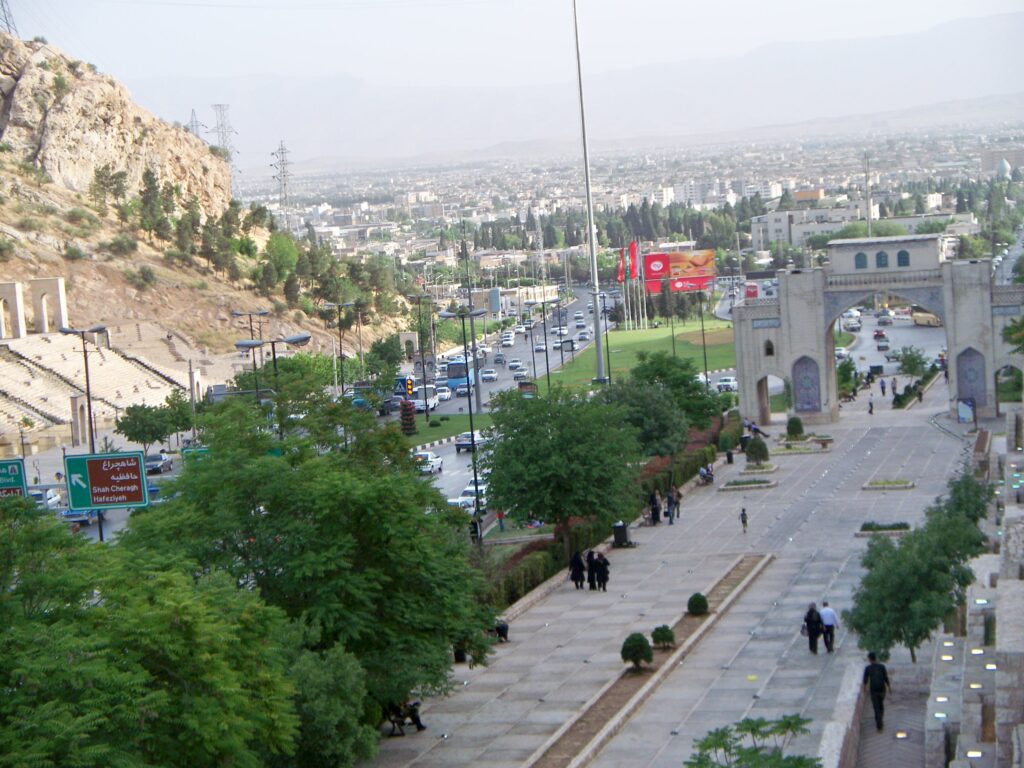
The Quran Gate is the oldest of Shiraz’s city gates, built under the Buyid ruler Adud al-Dawla over a thousand years ago, though what stands today owes more to a Zand-era rebuild.…
Shah Cheragh is one of Iran’s most important Shia shrines, and entry is free, day or night. Step inside and the interior glitters with mirror-tile work, a dazzling effect especially once the…
Baba Koohi’s tomb sits on the hillside above the Sang-e Siah neighbourhood, close to the Quran Gate, marking the resting place of an eleventh-century Sufi mystic who spent much of his life…
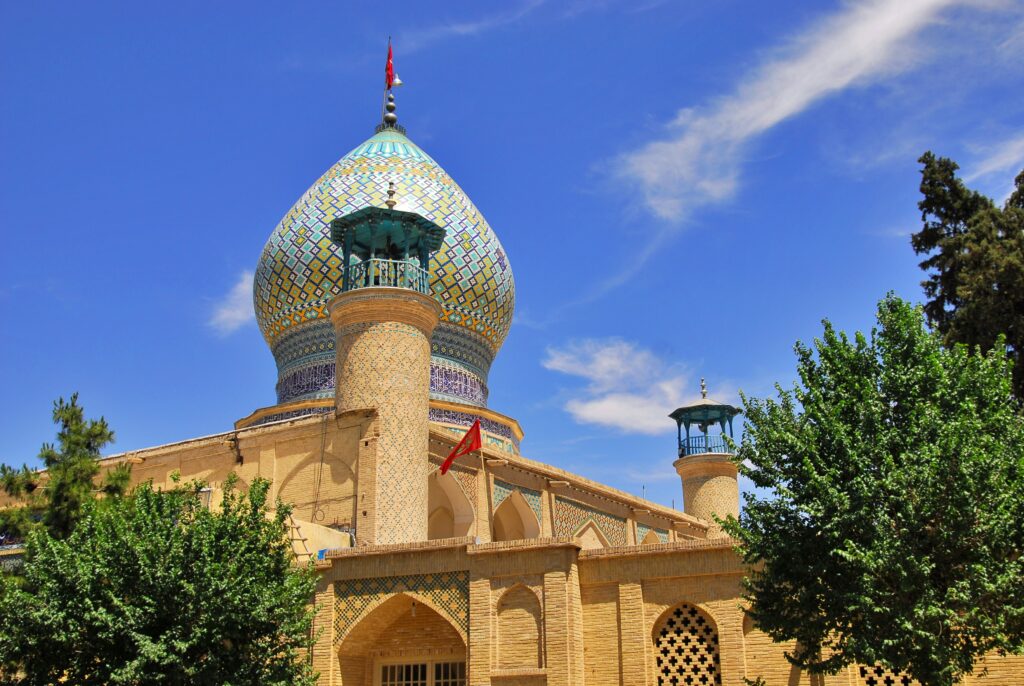
Ali Ibn Hamza’s shrine gets a fraction of the visitors that Shah Cheragh does, despite mirror mosaics covering practically every wall and the domed ceiling above. The effect is every bit as…
Reza Confectionery on Felestin Street specialises in masghati, the soft rosewater-and-starch sweet that is practically synonymous with Shiraz, alongside koloocheh biscuits and other local treats. It is a good stop for an…
Sarayeh Moshir, also known as Golshan Caravanserai, is a two-storey trading house built more than 250 years ago under the governor Moshir-ol-Molk, when it served merchants along old trade routes. A later…